Career Counselling 2.0 HomeHomeCareer Counselling 2.0 AbroadAbroadCareer Counselling 2.0 PlanPlanCareer Counselling 2.0 | TalksTalksCareer Counselling 2.0 PhilosophyPhilosophyCareer Counselling 2.0 SeminarSeminarCareer Counselling 2.0 PagesPagesCareer Counselling 2.0 AdvisorsAdvisorsCareer Counselling 2.0 TestimonialsTestimonials

HR Management

Assistant Manager Keyur Gupta talks about HR Management course, what is HR Management and other details about a Career in HR Management.


HR Management

Keyur Gupta | Assistant Manager | Nestle India


What is HR Management?


HR Management is a great Career option. Almost everyone seems to be talking about How to start a Career in HR Management, while one should first develop an understanding of What is a Career in HR Management. The internet is a great source of information on HR Management, but it is second best to learning about the same from a real professional.

With 2 years & 9 months of professional experience, Assistant Manager Keyur Gupta understands HR Management. Here is how Assistant Manager Keyur Gupta detailed HR Management:

Human Resource Management (HRM) is the term used to describe formal systems devised for the management of people within an organization. The responsibilities of a human resource manager fall into three major areas staffing, employee compensation and benefits, and defining/designing work. The purpose of HRM is to maximize the productivity of an organization by optimizing the effectiveness of its employees.


How Assistant Manager Keyur Gupta got into HR Management?


I completed my MBA degree in Human Resource Management from XLRI, Jamshedpur. Later, I joined Nestle India as Assistant Manager in the Human Resources department.


Assistant Manager Keyur Gupta's Talk on HR Management


Session Image
The Journey of HR Management


What Is HR Management

Human Resource Management

### Human Resource Management Image
What is
Human Resource Management is the strategic approach to effectively managing people within an organization to help the business gain a competitive advantage. It involves recruiting, developing, motivating, and retaining employees while ensuring compliance with employment laws and fostering a positive workplace culture.

Concept
Human Resource Management plays a crucial role in shaping organizational success by aligning workforce capabilities with business goals. For professionals in HR Management, this field offers the opportunity to influence company culture, drive employee engagement, and ensure legal compliance. One major benefit is the ability to attract and retain top talent, which directly impacts productivity and innovation. Another benefit is fostering a positive work environment that enhances employee satisfaction and reduces turnover. Additionally, HR Management ensures that organizations remain compliant with labor laws and regulations, minimizing legal risks and promoting ethical practices.

Real World Example
A Human Resource Manager at a growing technology company might identify a need for new software developers to support an upcoming product launch. The manager collaborates with department heads to define job requirements, oversees the recruitment process, and implements structured interviews to select the best candidates. Once hired, the HR Manager coordinates onboarding and training programs to ensure new employees integrate smoothly into the team. Throughout their employment, the manager monitors performance, provides opportunities for professional development, and addresses any workplace concerns. By managing these processes, the HR professional ensures the company has the skilled workforce needed to achieve its strategic objectives while maintaining a positive and compliant work environment.

Education


Organizational Behavior

### Organizational Behavior Image
What is
Organizational Behavior is the study of how individuals, groups, and structures influence behavior within organizations. It combines insights from psychology, sociology, and management to understand workplace dynamics. For HR Management, it is a core academic discipline, providing essential frameworks for analyzing and improving employee interactions, motivation, and organizational effectiveness.

Concept
Understanding Organizational Behavior is crucial for anyone pursuing a career in HR Management because it equips professionals with the analytical tools to interpret and influence workplace dynamics. Mastery of this subject allows HR practitioners to anticipate and address issues related to motivation, leadership, communication, and team dynamics. By applying these concepts, HR professionals can design effective policies, foster a positive organizational culture, and drive employee engagement. Over the long term, this foundational knowledge supports strategic decision-making, enhances conflict resolution skills, and positions HR managers as trusted advisors to leadership. Ultimately, proficiency in Organizational Behavior leads to more effective talent management and contributes to the overall success and adaptability of the organization.

Real World Example
Consider an HR manager in a mid-sized company who notices a decline in team morale and productivity after a recent organizational restructuring. Drawing on their understanding of Organizational Behavior, the manager conducts interviews and observes group interactions to identify sources of dissatisfaction, such as unclear roles and disrupted communication channels. Using this insight, the manager collaborates with team leaders to clarify job responsibilities, reestablish effective communication norms, and implement team-building activities. By applying theoretical knowledge to diagnose and address the root causes of the issue, the HR manager not only restores morale but also strengthens the team’s cohesion and performance, demonstrating the practical value of Organizational Behavior in daily HR operations.

Job Evaluation

### Job Evaluation Image
What is
Job Evaluation is a systematic process used to determine the relative worth of jobs within an organization by analyzing their duties, responsibilities, and required qualifications. It establishes a rational basis for salary structures and internal equity, making it an essential component of both academic study and professional practice in HR Management.

Concept
Understanding job evaluation is crucial for HR professionals because it underpins fair compensation practices and organizational equity. Mastery of this subject ensures that HR managers can design and maintain pay structures that are both competitive and internally consistent. This knowledge helps prevent wage discrimination, supports compliance with labor laws, and enhances employee satisfaction by promoting transparency and fairness. Over the course of a career, expertise in job evaluation enables HR professionals to contribute strategically to talent management, workforce planning, and organizational development. It also positions them as trusted advisors to leadership, capable of aligning compensation strategies with broader business objectives and fostering a culture of meritocracy.

Real World Example
Consider an HR manager at a mid-sized technology firm who is tasked with updating the company’s compensation framework. Drawing on their understanding of job evaluation, the manager systematically reviews job descriptions, assesses the complexity and impact of each role, and benchmarks them against industry standards. This process reveals discrepancies where some technical roles are undervalued compared to market rates, while others are overcompensated relative to their responsibilities. By applying job evaluation principles, the manager proposes adjustments that ensure internal equity and external competitiveness. This not only helps attract and retain top talent but also mitigates potential grievances related to pay disparities, demonstrating the practical value of job evaluation expertise in daily HR operations.

Talent Management

### Talent Management Image
What is
Talent Management is a strategic approach to attracting, developing, motivating, and retaining employees to achieve organizational goals. It encompasses workforce planning, recruitment, onboarding, training, performance management, and succession planning. In HR Management, Talent Management is a core discipline, bridging academic theory and practical application to optimize human capital and drive business success.

Concept
Understanding Talent Management is essential for anyone preparing for or working in HR Management because it forms the backbone of effective people practices within organizations. Mastery of this subject enables HR professionals to align workforce capabilities with organizational objectives, ensuring the right people are in the right roles at the right time. This knowledge fosters a proactive approach to identifying skill gaps, nurturing high-potential employees, and building a resilient talent pipeline. Over the long term, expertise in Talent Management enhances an HR professional’s ability to contribute strategically, adapt to changing business environments, and support sustainable organizational growth. It also positions HR practitioners as valuable partners to leadership, capable of influencing decisions that shape the company’s future.

Real World Example
Consider an HR Manager at a growing technology firm who leverages their understanding of Talent Management to address high employee turnover. By analyzing exit interview data and performance metrics, the manager identifies a lack of career development opportunities as a key issue. Drawing on Talent Management principles, they design a targeted learning and development program, introduce mentorship initiatives, and implement a transparent internal mobility policy. These actions not only improve employee engagement and retention but also ensure that critical roles are filled by well-prepared internal candidates. Through this practical application of Talent Management theory, the HR Manager demonstrates how strategic talent practices can directly impact organizational stability and long-term success.

Employee Relations

### Employee Relations Image
What is
Employee Relations refers to the management and nurturing of relationships between employers and employees, focusing on creating a positive, productive, and legally compliant workplace. It encompasses conflict resolution, communication, and policy implementation, forming a crucial component of both academic study and practical expertise for effective Human Resource Management.

Concept
Understanding Employee Relations is essential for anyone pursuing a career in HR Management because it underpins the ability to foster a harmonious workplace environment. Mastery of this subject equips professionals with the skills to handle conflicts, ensure fair treatment, and maintain compliance with labor laws. It also enhances communication between staff and management, which is vital for organizational success. Over time, expertise in Employee Relations leads to improved employee satisfaction, reduced turnover, and a stronger organizational culture. For HR professionals, this knowledge not only supports daily operations but also positions them as strategic partners in achieving business objectives and navigating complex workforce challenges.

Real World Example
Consider an HR Manager at a mid-sized company who notices a rise in employee grievances related to workload distribution. Drawing on their understanding of Employee Relations, the manager initiates open forums for staff to voice concerns and collaborates with department heads to review and adjust workloads. By applying conflict resolution techniques and ensuring transparent communication, the manager addresses the root causes of dissatisfaction while maintaining trust and morale. This proactive approach not only resolves immediate issues but also demonstrates the value of strong Employee Relations in fostering a supportive and productive workplace, ultimately contributing to the company’s long-term stability and growth.

Management

### Management Image
What is
Management is the process of planning, organizing, leading, and controlling resources, including people, finances, and information, to achieve organizational goals efficiently and effectively. In both academic and professional contexts, management provides the essential framework and principles that guide HR professionals in aligning human capital strategies with overall business objectives.

Concept
Understanding management is crucial for anyone preparing for or working in HR Management because it equips professionals with the ability to navigate complex organizational structures, drive performance, and foster a productive workplace culture. Mastery of management principles enables HR managers to make informed decisions regarding recruitment, development, and retention, while also ensuring compliance with policies and regulations. This foundational knowledge supports effective communication with leadership and other departments, allowing HR professionals to act as strategic partners in achieving business success. Over the long term, a solid grasp of management concepts enhances career growth, adaptability, and leadership potential, positioning HR practitioners to take on broader responsibilities and contribute meaningfully to organizational transformation.

Real World Example
Consider an HR manager tasked with implementing a new performance appraisal system across a mid-sized company. Drawing on their management knowledge, the HR manager begins by planning the rollout, organizing training sessions for supervisors, and setting clear objectives for the initiative. They lead by communicating the benefits of the new system, addressing employee concerns, and motivating teams to embrace the change. Throughout the process, the HR manager monitors progress, gathers feedback, and makes necessary adjustments to ensure the system’s effectiveness. By applying management theories and practices, the HR manager not only facilitates a smooth transition but also strengthens trust and engagement within the workforce, demonstrating the practical value of management expertise in everyday HR operations.

Skills


Communication

### Communication Image
What is
Communication is the process of exchanging information, ideas, and feelings through verbal, nonverbal, and written means to achieve mutual understanding. In HR Management, communication is fundamental for building relationships, resolving conflicts, and ensuring policies and expectations are clearly conveyed, making it an indispensable tool for every HR professional.

Concept
Strong communication skills enable HR professionals to articulate policies, mediate disputes, and foster a positive workplace culture. Employers and clients highly value this skill because it ensures transparency, minimizes misunderstandings, and enhances employee engagement. Effective communicators can navigate sensitive conversations, deliver feedback constructively, and represent the organization’s values. To cultivate communication skills, HR professionals should seek feedback, engage in active listening, and participate in training or workshops focused on interpersonal and written communication. Over time, consistent practice and self-reflection help refine these abilities, allowing HR managers to adapt their style to diverse audiences and situations, ultimately driving organizational success.

Real World Example
Imagine a situation where a company faces a sudden organizational change, such as a merger. Employees are anxious and rumors begin to circulate, threatening morale and productivity. An HR manager steps in, organizing a series of open forums and clear, timely email updates. By listening to employee concerns and providing transparent information, the HR manager addresses uncertainties and builds trust. Through effective communication, the manager not only quells misinformation but also helps employees understand the benefits of the change, ensuring a smoother transition. This scenario highlights how communication is not just about relaying information, but about fostering understanding, trust, and collaboration during critical moments.

Analytical

### Analytical Image
What is
Analytical refers to the ability to systematically examine information, identify patterns, interpret data, and draw logical conclusions to solve problems or make decisions. In HR Management, this skill enables professionals to assess workforce trends, evaluate employee performance, and develop evidence-based strategies, making it a vital component of effective decision-making.

Concept
Analytical skills directly enhance HR performance by enabling professionals to interpret complex data, forecast workforce needs, and identify underlying issues within teams or organizational structures. Employers and clients highly value this skill because it leads to more informed, objective, and strategic decisions that can improve employee satisfaction, retention, and overall business outcomes. To cultivate analytical abilities, HR professionals should engage in continuous learning, seek out opportunities to work with HR analytics tools, and practice critical thinking when approaching challenges. Over time, regularly analyzing HR metrics, participating in data-driven projects, and reflecting on outcomes can further strengthen this essential skill.

Real World Example
Imagine an HR Manager noticing a sudden increase in employee turnover within a specific department. By applying analytical skills, the manager systematically reviews exit interview data, performance metrics, and employee engagement surveys. Through careful analysis, they identify a pattern linking high turnover to a recent change in departmental leadership and communication practices. Armed with these insights, the HR Manager collaborates with leadership to address the root causes, implement targeted interventions, and monitor the results. This analytical approach not only resolves the immediate issue but also contributes to a more stable and productive work environment, demonstrating the critical role of analytical skills in achieving HR success.

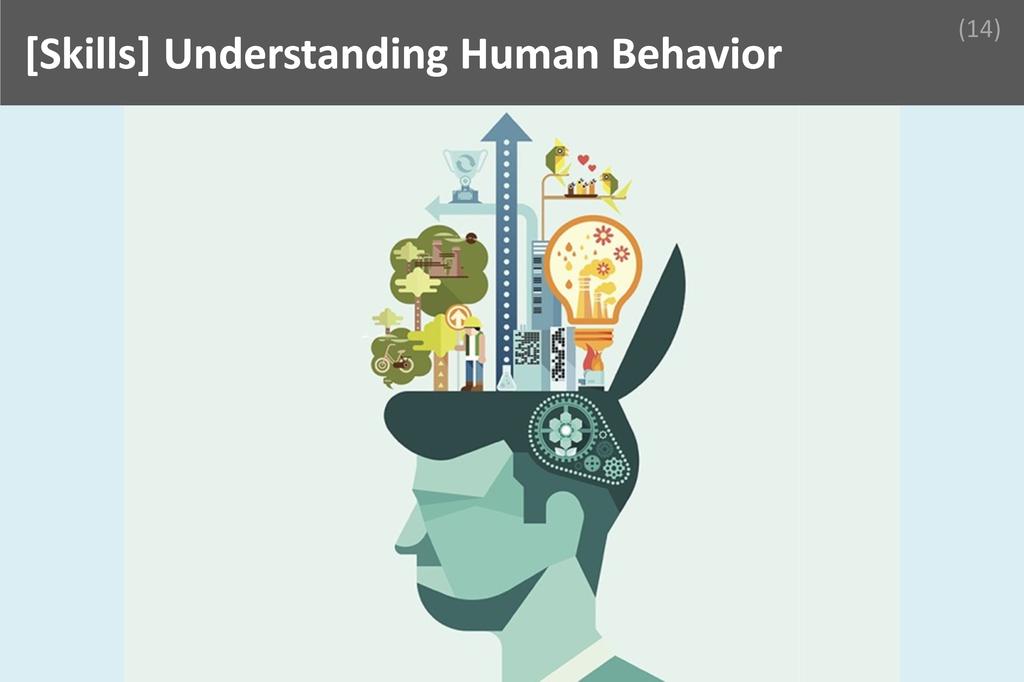
Understanding Human Behavior

### Understanding Human Behavior Image
What is
Understanding Human Behavior refers to the ability to perceive, interpret, and respond appropriately to the motivations, emotions, and actions of individuals and groups. In HR Management, this skill enables professionals to navigate complex interpersonal dynamics, foster positive workplace culture, and address employee needs, making it indispensable for effective leadership and organizational success.

Concept
Mastering the understanding of human behavior allows HR professionals to anticipate employee reactions, resolve conflicts efficiently, and design policies that resonate with diverse teams. Employers and clients value this skill because it leads to higher employee engagement, reduced turnover, and a more harmonious work environment. Cultivating this ability involves continuous learning through observation, active listening, empathy, and staying informed about psychological theories and cultural differences. Over time, real-world experience and reflective practice deepen one’s insight into human motivations, enabling HR managers to tailor their approaches to individual and organizational needs. This ongoing development ensures that HR professionals remain adaptable and effective in managing the ever-evolving dynamics of the workplace.

Real World Example
Imagine an HR manager noticing a sudden decline in team morale following a major organizational change. By drawing on their understanding of human behavior, the manager recognizes signs of anxiety and resistance among employees. Instead of enforcing top-down directives, the manager initiates open conversations, actively listens to concerns, and provides reassurance about job security and future opportunities. This empathetic approach not only alleviates fears but also encourages employees to share constructive feedback. As a result, the team gradually adapts to the changes, productivity stabilizes, and trust in leadership is strengthened. This scenario highlights how the ability to understand and respond to human behavior can transform potential crises into opportunities for growth and cohesion.

Social Media

### Social Media Image
What is
Social media refers to digital platforms and online networks that enable users to create, share, and interact with content and communities in real time. For HR Management professionals, social media is a powerful tool for talent acquisition, employer branding, employee engagement, and staying informed about industry trends and best practices.

Concept
Mastering social media significantly enhances an HR professional’s effectiveness by expanding their reach to potential candidates, facilitating transparent communication, and promoting a positive organizational image. Employers and clients value this skill because it enables proactive recruitment, fosters a dynamic workplace culture, and supports crisis management through rapid information dissemination. To cultivate this skill, HR professionals should consistently engage with relevant platforms, stay updated on evolving digital trends, and participate in online HR communities. Over time, this ongoing involvement builds both technical proficiency and strategic insight, allowing HR managers to leverage social media for networking, learning, and driving organizational goals.

Real World Example
Imagine an HR manager facing a sudden need to fill several critical positions after a company expansion. By leveraging social media, the manager quickly crafts engaging job postings and shares them across LinkedIn, Twitter, and Facebook, reaching a vast and diverse audience. The posts attract high-quality applicants who may not have seen traditional job advertisements. Simultaneously, the manager uses the company’s social channels to highlight its culture and values, strengthening employer branding and encouraging employee referrals. Through prompt responses to inquiries and active participation in relevant online groups, the HR manager not only fills the positions efficiently but also enhances the company’s reputation as an employer of choice, demonstrating the transformative impact of social media in HR management.

Influencing People

### Influencing People Image
What is
Influencing People is the ability to shape opinions, guide behaviors, and inspire action in others through effective communication, trust-building, and understanding of motivations. In HR Management, this skill is vital for fostering collaboration, driving organizational change, and ensuring alignment between employees and company goals, making it indispensable for long-term success.

Concept
Mastering the art of influencing people significantly enhances an HR professional’s effectiveness. It enables them to gain buy-in for new policies, mediate conflicts, and motivate teams toward shared objectives. Employers and clients highly value this skill because it leads to smoother change management, higher employee engagement, and improved workplace culture. Developing this skill involves active listening, empathy, and continuous learning about human behavior. Over time, HR professionals can refine their approach by seeking feedback, observing successful influencers, and practicing persuasive communication in various workplace situations. As they grow in their ability to influence, they become trusted advisors who can drive positive outcomes for both employees and the organization.

Real World Example
Imagine an HR manager tasked with implementing a new performance evaluation system that initially faces resistance from both employees and department heads. By leveraging their influencing skills, the HR manager listens to concerns, addresses misconceptions, and clearly communicates the benefits of the new system. They build alliances with key stakeholders, demonstrating how the change aligns with organizational goals and individual development. Through open dialogue and tailored messaging, the HR manager gradually shifts perceptions, turning skeptics into advocates. As a result, the new system is adopted smoothly, leading to improved performance tracking and greater employee satisfaction. This scenario highlights how influencing people can transform potential obstacles into opportunities for organizational growth.

Positives


Understanding Business

### Understanding Business Image
What is
Understanding Business means grasping how an organization operates, generates revenue, and achieves its goals, while recognizing the interplay between people, processes, and strategy. In HR Management, this knowledge empowers professionals to align human capital initiatives with broader business objectives, making their work more impactful and valued within the organization.

Concept
The ability to understand business transforms HR Management from a support function into a strategic partner. HR professionals who possess this insight can design policies and programs that directly contribute to organizational success, fostering a sense of purpose and accomplishment. This alignment with business goals enhances job satisfaction, as HR managers see the tangible results of their efforts in improved performance, profitability, and employee engagement. Daily, these professionals experience the satisfaction of making informed decisions, advising leadership with confidence, and driving change that benefits both people and the company. This dynamic role not only accelerates career growth but also cultivates a deep sense of professional fulfillment, as HR becomes a catalyst for sustainable business success.

Real World Example
Imagine an HR manager at a rapidly growing tech company who understands the business’s need to innovate and scale quickly. By leveraging their business acumen, they develop a talent acquisition strategy focused on attracting candidates with both technical expertise and adaptability. They collaborate closely with department heads to forecast workforce needs and align training programs with upcoming product launches. As a result, the company meets its ambitious growth targets, and the HR manager experiences the rewarding impact of seeing their strategic decisions drive real business outcomes. This daily integration of business understanding into HR practices not only advances the company’s objectives but also brings a profound sense of achievement and purpose to the HR professional’s role.

Visibility

### Visibility Image
What is
Visibility in HR Management refers to the prominent presence and recognition HR professionals receive within an organization, as their actions, decisions, and initiatives are highly noticeable and influential. This visibility allows HR managers to shape company culture, drive strategic change, and be acknowledged as key contributors to organizational success.

Concept
The visibility inherent in HR Management is a powerful motivator and a source of professional fulfillment. When HR professionals are seen and valued for their contributions, it fosters a sense of purpose and belonging. This recognition not only boosts job satisfaction but also opens doors for career advancement, as visible leaders are often considered for greater responsibilities. Daily, HR managers experience this benefit through their involvement in high-impact projects, collaboration with leadership, and the direct feedback they receive from employees and executives alike. Their visible role ensures that their efforts in talent development, conflict resolution, and organizational improvement are appreciated, making their work both meaningful and rewarding.

Real World Example
Imagine an HR manager who leads a company-wide diversity and inclusion initiative. Throughout the process, their efforts are spotlighted in internal communications, and they are invited to present progress updates to the executive team. Employees approach them to share positive feedback and personal stories about the initiative’s impact. This level of visibility not only validates the HR manager’s hard work but also positions them as a trusted advisor and change agent within the organization. The recognition they receive from both leadership and staff reinforces their sense of accomplishment and motivates them to continue making a difference, illustrating how visibility transforms daily work into a deeply rewarding career experience.

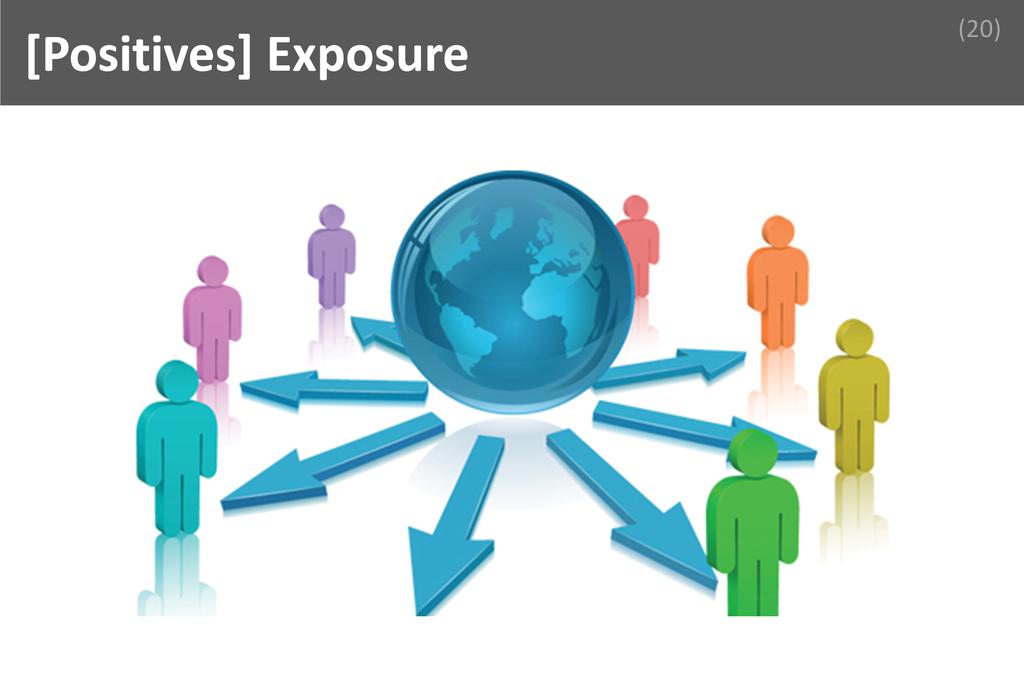
Exposure

### Exposure Image
What is
Exposure in HR Management refers to the continuous interaction with diverse people, departments, and business challenges, offering a broad understanding of organizational dynamics and human behavior. This multifaceted experience enriches professional growth, sharpens problem-solving skills, and fosters adaptability, making HR Management a uniquely dynamic and rewarding career path.

Concept
The exposure gained in HR Management is a powerful catalyst for both personal and professional development. By working closely with employees at all levels, HR professionals gain insights into various roles, business strategies, and workplace cultures. This broad perspective not only enhances their ability to solve complex issues but also cultivates empathy and effective communication. Exposure to different scenarios and challenges keeps the work engaging and ensures that no two days are the same. As a result, HR professionals often experience higher job satisfaction, accelerated learning, and greater opportunities for advancement. The constant interaction with people and processes helps them build a robust network, stay updated on industry trends, and develop a versatile skill set that is highly valued across organizations.

Real World Example
Imagine an HR Manager at a growing technology company who is tasked with leading a cross-functional team to design a new employee wellness program. Through this project, the manager collaborates with IT, marketing, finance, and operations, gaining firsthand knowledge of each department’s priorities and challenges. This exposure allows the HR Manager to tailor the program to meet diverse needs, while also building strong relationships across the organization. The experience not only broadens the manager’s understanding of the business but also enhances their reputation as a strategic partner. The sense of accomplishment from successfully uniting different teams and making a tangible impact on employee well-being exemplifies the fulfilling nature of exposure in HR Management.

Understanding Leadership

### Understanding Leadership Image
What is
Understanding Leadership is the ability to recognize, cultivate, and inspire effective leadership qualities in oneself and others, fostering collaboration, motivation, and growth within an organization. In HR Management, this skill empowers professionals to guide teams, resolve conflicts, and drive positive change, ultimately shaping a thriving and resilient workplace culture.

Concept
The ability to understand leadership is a cornerstone of success in HR Management because it transforms the role from administrative support to strategic influence. HR professionals who master this skill become trusted advisors, shaping organizational direction and nurturing talent at every level. This not only enhances job satisfaction by providing a sense of purpose and accomplishment but also accelerates career growth as HR leaders are recognized for their ability to drive results. On a daily basis, professionals experience the benefit of understanding leadership through meaningful interactions, the opportunity to mentor others, and the satisfaction of seeing individuals and teams reach their full potential under their guidance.

Real World Example
Imagine an HR Manager working with a department struggling with low morale and high turnover. By applying their understanding of leadership, the HR Manager identifies emerging leaders within the team and provides them with coaching and development opportunities. They facilitate open communication, encourage collaboration, and empower team members to take ownership of projects. Over time, the department transforms into a high-performing unit with renewed enthusiasm and loyalty. The HR Manager not only witnesses the positive change but also feels a deep sense of fulfillment, knowing their leadership insight was the catalyst for growth and success. This daily impact is what makes a career in HR Management truly rewarding.

Challenges


People Management

### People Management Image
What is
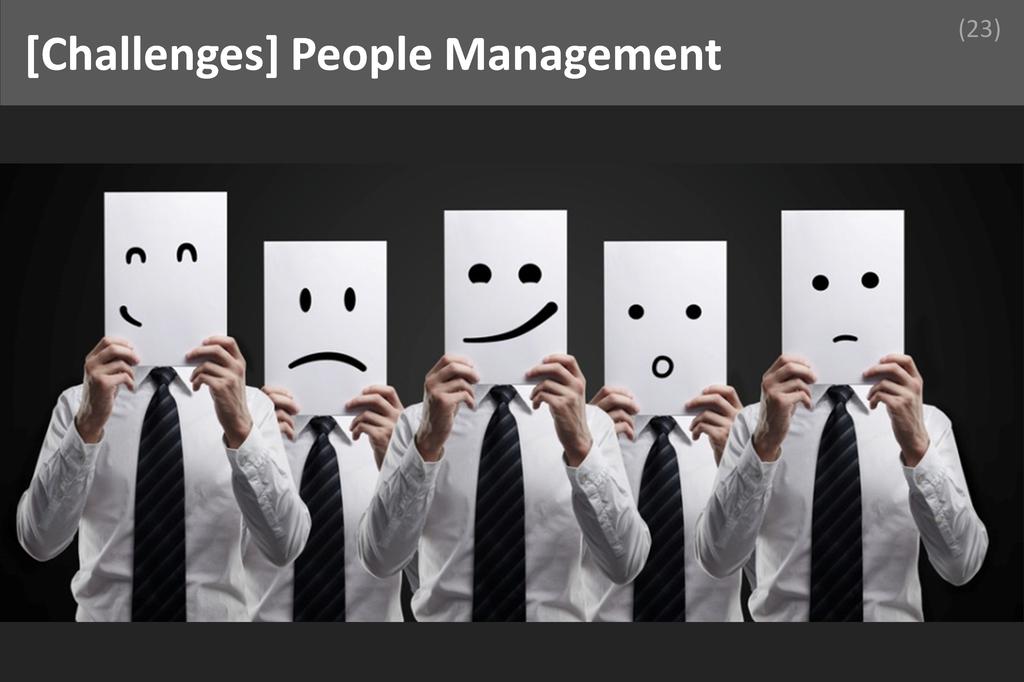
People Management in HR Management refers to the complex process of guiding, supporting, and optimizing employee performance, engagement, and development within an organization. It is demanding because it requires balancing diverse personalities, resolving conflicts, fostering motivation, and aligning individual goals with organizational objectives, all while maintaining fairness and empathy.

Concept
The challenge of people management permeates daily HR tasks, from mediating disputes to nurturing talent and ensuring compliance with policies. This constant navigation of interpersonal dynamics can be emotionally taxing and requires significant resilience, as HR professionals must remain impartial and composed under pressure. Successful HR managers overcome these hurdles by cultivating strong communication skills, practicing active listening, and building trust with employees. They also invest in continuous learning to stay updated on best practices and legal requirements. By fostering a culture of transparency and empathy, they create an environment where employees feel valued and understood, which in turn reduces friction and enhances overall organizational performance.

Real World Example
Consider an HR manager in a mid-sized company facing ongoing tension between two high-performing team members whose collaboration is critical to a major project. Rather than taking sides or issuing directives, the HR manager arranges a facilitated conversation, encouraging both individuals to express their perspectives and concerns in a safe environment. Through skillful mediation and empathetic listening, the manager helps them identify common goals and agree on new communication norms. By following up regularly and providing resources for conflict resolution, the HR manager not only resolves the immediate issue but also strengthens the team’s cohesion and trust. This proactive approach demonstrates how effective people management can transform workplace challenges into opportunities for growth.

Demanding Job

### Demanding Job Image
What is
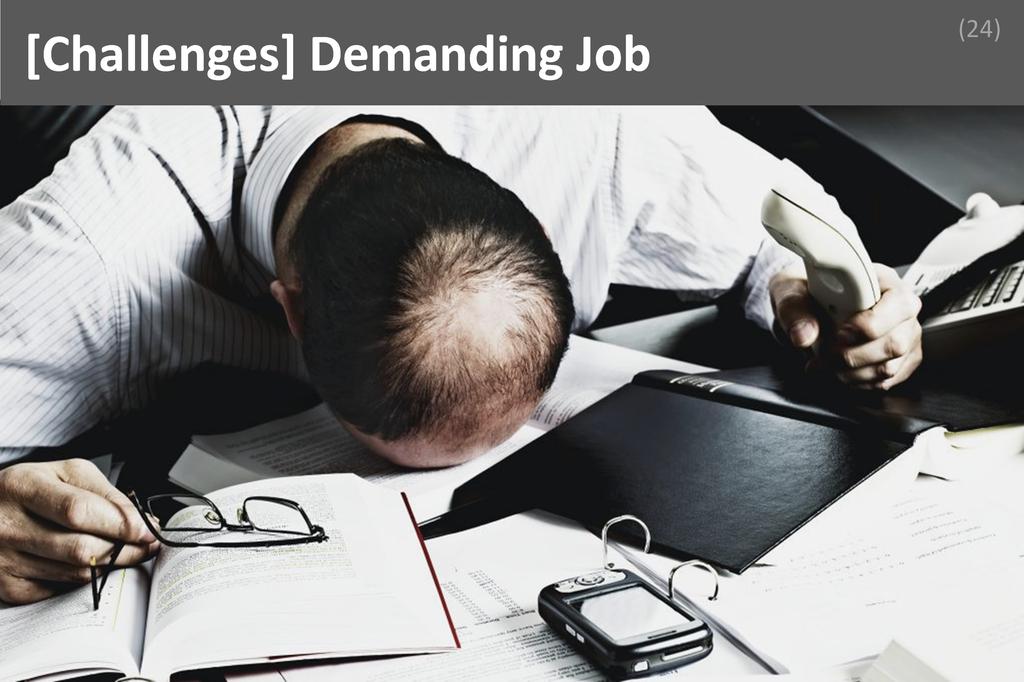
A demanding job in HR Management involves juggling multiple responsibilities such as recruitment, conflict resolution, compliance, and employee engagement, often under tight deadlines and high expectations. The role is demanding because it requires constant adaptability, emotional intelligence, and decision-making skills while balancing organizational goals with employee well-being.

Concept
The demanding nature of HR Management can lead to long hours, frequent interruptions, and high-pressure situations that test a professional’s resilience and adaptability. Daily work is often unpredictable, requiring immediate responses to sensitive issues, policy changes, or urgent staffing needs. This environment can cause stress and burnout if not managed effectively. Successful HR professionals navigate these challenges by prioritizing tasks, setting clear boundaries, and leveraging strong communication skills. They also invest in continuous learning and self-care, which helps them remain effective and maintain their well-being. Building a supportive network within the organization and delegating tasks when possible further enables them to manage the workload and sustain high performance.

Real World Example
Consider an HR manager at a rapidly growing tech company who faces the challenge of filling critical roles while also handling employee relations issues and ensuring compliance with new labor laws. Despite the overwhelming workload, the manager creates a structured daily schedule, delegates administrative tasks to team members, and implements digital tools to streamline recruitment. By maintaining open communication with leadership and employees, the manager addresses concerns proactively and fosters a positive work environment. Regularly setting aside time for professional development and self-care, the manager not only meets organizational goals but also avoids burnout, demonstrating how effective strategies can turn a demanding job into a rewarding career path.

A Day Of


Human Resource Management

What is
The hum of conversation, the ping of incoming emails, and the steady rhythm of footsteps in the hallway set the tone for a day in HR management—a role where no two days are ever quite the same. From the moment the office lights flicker on, HR professionals are at the heart of the organization, balancing the needs of employees with the goals of leadership. Their workday is a dynamic blend of strategic planning, problem-solving, and human connection, all unfolding in an environment that demands adaptability, empathy, and sharp organizational skills. In HR management, the pace is brisk, the stakes are high, and every interaction has the potential to shape the culture and success of the company.

Concept
As the office comes to life, an HR manager begins the day by reviewing the calendar, scanning through emails, and prioritizing urgent requests. This early morning window is a crucial time for catching up on overnight developments, preparing for scheduled interviews, and ensuring that all compliance documents are in order. With a fresh cup of coffee in hand, the HR professional might also check in with team members, address any immediate concerns, and set clear intentions for the day ahead, laying the groundwork for smooth operations.

Real World Example
Mid-morning ushers in the heart of HR management: direct engagement with people. This is when interviews are conducted, onboarding sessions are led, and employee relations issues are addressed. The HR manager may find themselves mediating a conflict between colleagues, facilitating a training session, or meeting with department heads to discuss workforce planning. These hours are marked by high energy and constant interaction, requiring the HR professional to be both a skilled listener and a decisive leader, ensuring that both individual and organizational needs are met.

The afternoon is often reserved for collaborative projects and the execution of key HR initiatives. This might involve leading a diversity and inclusion workshop, participating in strategic planning meetings, or rolling out new policies and procedures. The HR manager works closely with cross-functional teams to align HR strategies with business objectives, troubleshoot ongoing issues, and gather feedback from employees. This phase of the day is about turning plans into action, fostering teamwork, and maintaining momentum across the organization.

As the day winds down, the HR manager shifts focus to administrative wrap-up and forward planning. This is the time to document the day’s outcomes, update employee records, and respond to any lingering emails. Reflecting on what went well and what could be improved, the HR professional also reviews upcoming deadlines, prepares agendas for tomorrow’s meetings, and sets priorities for the next day. With a sense of accomplishment and a clear plan in place, the HR manager closes out another fast-paced, impactful day at the center of the organization’s success.


Install the LifePage App to:


  1. (for Free) Watch Assistant Manager Keyur Gupta’s full HR Management Career Talk

  2. ₹ Do a Self Assessment on HR Management to calculate your Dream Index, which is defined as:

    According to Keyur Gupta your chances of success in HR Management is __%

  3. Access your personalized Dream Index Report which will have all your Dream Indices sorted in descending order.

Career Counselling 2.0


<?php echo $altimage; ?>


<?php echo $altimage; ?>


How to get into

HR Management?


If you are want to get into HR Management, start by investing in a Career Plan.

The 14 hour process, guided by a LifePage Career Advisor, will help you introspect and check whether your interest in HR Management is merely an infatuation or is it truly something you wish to do for the rest of your life.

Next, your Career Advisor will help you document how you can get into HR Management, what education and skills you need to succeed in HR Management, and what positives and challenges you will face in HR Management.

Finally, you will get a Career Plan stating which Courses, Certifications, Trainings and other Items you need to do in the next 7 years to become world’s best in HR Management.


LifePage Career Plan

14 hour personalized guidance program


Your LifePage Career Advisor facilitates your guided introspection so that you systematically explore various Career options to arrive at a well thought out Career choice.

Next: your Advisor helps you figure out how you will get into your chosen Career and how will you develop the skills needed for success in your Chosen Career.

LifePage Plan will not stop at saying "to become an Architect study Architecture". It will guide you on which Certifications, Trainings and Other items you need to do along with your Architecture education to become the world's best Architect.


Links for this Talk


Assistant Manager Keyur Gupta's LifePage:


Career Counselling 2.0
[LifePage]
https://www.lifepage.in/page/keyurgupta


LifePage Career Talk on HR Management


Career Counselling 2.0
[Career]
https://www.lifepage.in/careers/hr-management-5


Career Counselling 2.0
[Full Talk]
https://lifepage.app.link/20180122-0003


Career Counselling 2.0
[Trailer]
https://www.youtube.com/watch?v=h-pzPaHVQNI


(Human Resource Management, Keyur Gupta, Nestle India, Human Resource, Employee Hiring, Employee Satisfaction)


Similar Talks


Career in HR Management
HR Management
Neelam Waldia
Manager HR & A | Rusan Pharma Limited
[ 5 years & 2 months Experience ]

Human Resource Management is managing the most crucial resource of an organisation, which is- People is known as the Human Resource Management. Machines, buildings, brands etc, everything diminishes except for people who increase in terms of value. The role of HR begins from recruiting, training, evaluating, motivating, retaining, managing conflicts and when required taking tough decisions on people.

"After completing my schooling, I gradated in science stream and did my MBA I Hr & Marketing from Army Institute of Management Kolkata. I am working as a HR Manager and have total 10 years of experience in this field."


Career Counselling 2.0 Career Counselling 2.0 Career Counselling 2.0 Career Counselling 2.0 Career Counselling 2.0


Career in HR Management
HR Management
Lakshman Singh Kandari
Human Resource Manager | M & P Technologies
[ 4 years Experience ]

Human Resource Management is the management of the human resource of an organization or company. It involves the processes of selection and recruitment of the employees of a company. That includes interviewing new people, hiring and thereafter, training them for the various job profiles. It also includes the firing and retention of those employees.

"I attained a B Com degree from HNB Garhwal University and an MBA degree from Chandigarh. I thereafter, trained at Radisson Blu Hotel, Haridwar and I am currently the HR Manager at M&P Technologies since 2013"


Career Counselling 2.0 Career Counselling 2.0 Career Counselling 2.0 Career Counselling 2.0 Career Counselling 2.0


Career in HR Management
HR Management
Prakriti Nautiyal
Human Resources Partner | Tata Consultancy Services
[ 5 years Experience ]

Human Resource Management is the management of human resources. It is designed to maximize employee performance in service of an employer's strategic objectives. HR is primarily concerned with the management of people within organizations, focusing on policies and on systems.

"I am a B Tech graduate in ECE and then did MBA in Human Resources from LBSIM, New Delhi. Thereafter, I worked at Tata Consultancy Services for more than 2 years as Human Resource Partner. Then, I relocated to USA and did a Certification Course in Human Resources from HRCI and also an online course in People Analytics from The Wharton School. I am Human Resource Analyst with an NGO by the name Save the Water in USA."


Career Counselling 2.0 Career Counselling 2.0 Career Counselling 2.0 Career Counselling 2.0 Career Counselling 2.0


Career in Recruitment
Recruitment
Megha Madan
HR Manager | MNC
[ 11 years Experience ]

Recruitment is a core function of human resource management. It refers to the overall process of attracting, selecting and appointing suitable candidates for jobs within an organization.

"After my schooling, I did Bcom Hons from Delhi University and then did my MBA from SCDL. I work as an HR Manager looking after recruitments at an International Software Organization."


Career Counselling 2.0 Career Counselling 2.0 Career Counselling 2.0 Career Counselling 2.0 Career Counselling 2.0


Career in HR Management
HR Management
Arijit Banerji
General Manager | ICI India Pvt Ltd
[ 8 years & 10 months Experience ]

Human Resource Management, these are 3 big words but all they mean is trying to make sure that people do the best they do in any job they job.

"After completing law from Andhra I joined the chemical industry and worked in multinational company almost for 41 years. "


Career Counselling 2.0 Career Counselling 2.0 Career Counselling 2.0 Career Counselling 2.0 Career Counselling 2.0


Career in Human Resource Management
Human Resource Management
Prashant Deo Singh
Senior HR Professional | Various Assignments
[ 24 years Experience ]

Human resource management is the strategic approach to the effective management of organization workers so that they help the business gain a competitive advantage.

"I have experience of more than 20 Year in Human Resource. I have worked with Organizations like Panasonic as a HR Head, Coca Cola as a Area Manager, Airtel as a HR Head. I have worked in UAE with Sharaf DG as HR Head and with HINDALCO Industries as an Assistant Manager."


Career Counselling 2.0 Career Counselling 2.0 Career Counselling 2.0 Career Counselling 2.0 Career Counselling 2.0


Career in HR Recruitment
HR Recruitment
Nirma Rawat
HR Recruiter | Job Resolution Recruitment Services
[ 10 years Experience ]

Recruitment is a core function of human resource management. It is the first step of appointment. Recruitment refers to the overall process of attracting, shortlisting, selecting and appointing suitable candidates for jobs within an organization.

"I have done B Sc and M Sc from DAV PG College. Post that, I did an MBA in Human Resources from IMT University. I worked in Insurance Sector for 8 years. I am HR Recruiter at Job Resolution Recruitment Services since 2016."


Career Counselling 2.0 Career Counselling 2.0 Career Counselling 2.0 Career Counselling 2.0 Career Counselling 2.0


Career in Human Resources
Human Resources
Rima Chawla
Assistant Manager | Incognito Forensic Foundation
[ 7 years & 11 months Experience ]

Human resources are the people who make up the workforce of an organization, business sector, or economy.

"After completing my Schooling from East West Model School, Bengal, I did my Graduation in Arts from Techno Global University. While studying I worked simultaneously with organizations as a Consultant. I work as an Assistant Manager HR at Incognito Forensic Foundation."


Career Counselling 2.0 Career Counselling 2.0 Career Counselling 2.0 Career Counselling 2.0 Career Counselling 2.0


Career in H R Recruitment
H R Recruitment
Krishna
HR Recruiter | Fly Square Solutions
[ 1 year & 4 months Experience ]

HR Recruitment refers to the overall process of attracting, shortlisting, selecting and appointing suitable candidates for jobs within an organization.

"After completing BCom from MGKVP, Varanasi and Diploma in Microfinance from BHU, Varanasi, I did Post Graduation in Management from Doon Business School and Strategy Management from Airllanga University, Indonesia and joined Fly Square Solutions as a HR Recruiter."


Career Counselling 2.0 Career Counselling 2.0 Career Counselling 2.0 Career Counselling 2.0 Career Counselling 2.0


Career in HR Management
HR Management
Kainaz Khambata
Head | Gourmet Investments Private Limited
[ 13 years & 2 months Experience ]

Human Resource Management is the process of recruitment and selecting employee, providing orientation and induction, training and development, assessment of employee (performance of appraisal), providing compensation and benefits, motivating, maintaining proper relations with employees and with trade unions, maintaining employees safety, welfare and healthy measures in compliance with labor laws of the land.

"In my 10 years of Experience, I have worked with finest hotels of world such as Four Seasons & Intercontinental Hotel. Since 2017, I have been working with Gourmet Investments Private Limited as a Head."


Career Counselling 2.0 Career Counselling 2.0 Career Counselling 2.0 Career Counselling 2.0 Career Counselling 2.0


Career in Learning & Development
Learning & Development
Harsh Vardhan
L&D Manager | Max Healthcare
[ 7 years Experience ]

Learning and Development Managing helps employees advance their skills and knowledge. A Learning and Development Manger helps a company succeed by training and developing its people

"After doing my graduation, I did my MBA from IIPM and thereafter a Diploma in Hospitality. I did my Research Paper on Neuro Linguistic Programming. I worked as an Assistant Professor Executive Communication, IIPM and L&D Manager in UPES."


Career Counselling 2.0 Career Counselling 2.0 Career Counselling 2.0 Career Counselling 2.0 Career Counselling 2.0


Career in Human Capital Consulting
Human Capital Consulting
Nanditaa Bhatia
Business Analyst | Deloitte
[ 2 years & 2 months Experience ]

Human capital consulting is a broader term than human resource management and refers to general management consulting with an emphasis on the human element of the issue at hand, such as change management (which includes communication and training), learning and development, organiational design, diversity and inclusion, employee engagement, and culture.

"I am an MBA Graduate from the Delhi School of Economics. I worked with the Indian Oil Corporation, American Express and Price Waterhouse Cooper before joining Deloitte Indian in 2016 as a Business Analyst with the Organization Transformation and Talent division under the Human Capital practice."


Career Counselling 2.0 Career Counselling 2.0 Career Counselling 2.0 Career Counselling 2.0 Career Counselling 2.0


Career in Human Resource Management
Human Resource Management
Anup Kumar
General Manager | BRIDCUL
[ 22 years & 8 months Experience ]

Human resource management (HRM or HR) is the strategic approach to the effective management of organization workers so that they help the business gain a competitive advantage.

"I did Bachelors & Masters in Economics from Jiwaji Univeristy. Post that, I did a Masters in Personnel Management & Industrial Relations. I started my professional career as a Lecturer in Jiwaji University. After that, I worked in Steel & Power Sector in Chattisgarh, Orissa & Calcutta. I am a General Manager at BRIDCUL with Uttarakhand Government."


Career Counselling 2.0 Career Counselling 2.0 Career Counselling 2.0 Career Counselling 2.0 Career Counselling 2.0


Career in Learning & Development
Learning & Development
Amrita Suri
Deputy General Manager | Gourmet Investments Private Limited
[ 0 years & 6 months Experience ]

A Learning & Development Manager identifies training and development needs within an organization through job analysis, appraisal schemes and regular consultation with business managers.

"After completing my schooling, I did graduation in Hotel Management from IHM, Aurangabad. I have started my career with The Leela Hotels as a Management Trainee after which I got an opportunity to join Four Seasons Mumbai where I have worked for almost 8 Years and became Front Office Manager. I have joined Gourmet Investments Private Limited as DGM (Learning & Development and Customer Relations) in 2017."


Career Counselling 2.0 Career Counselling 2.0 Career Counselling 2.0 Career Counselling 2.0 Career Counselling 2.0


Career in Human Resource Management
Human Resource Management
Shabhnam Praveen
HR Assistant | People Strong Private Limited
[ 3 years Experience ]

Human Resource Management (HRM or HR) is the strategic approach to the effective management of organization workers so that they help the business gain a competitive advantage, Commonly known as the HR Department[, it is designed to maximize employee performance in service of an employer's strategic objectives.] HR is primarily concerned with the management of people within organizations, focusing on policies and on systems. HR departments are responsible for overseeing employee-benefits design, employee recruitment, training and development, performance appraisal, and rewarding (e.g., managing pay and benefit systems). HR also concerns itself with organizational change and industrial relations, that is, the balancing of organizational practices with requirements arising from collective bargaining and from governmental laws

"After completing an MBA (HR & PR) from Abdul Kalam Technical University, I started my Career with Himalaya Corporation Limited as Business Development Executive. After that, I joined People Stone Private Limited as a HR Assistant and since then I am working there."


Career Counselling 2.0 Career Counselling 2.0 Career Counselling 2.0 Career Counselling 2.0 Career Counselling 2.0


Career in Workforce Consulting
Workforce Consulting
Gautam Grover
Assistant Director | E Y
[ 12 years Experience ]

Workforce Management includes all the activities needed to maintain a productive workforce, such as field service management, human resource management, performance and training management, data collection, recruiting, budgeting, forecasting, scheduling and analytics.

"After completing my graduation in Information Technology from IP University and I did my post graduation from ICFAI University. I have 12 years of experience in this field and working with EY as an Assistant Director Workforce Consulting."


Career Counselling 2.0 Career Counselling 2.0 Career Counselling 2.0 Career Counselling 2.0 Career Counselling 2.0


Career in HR Recruitment
HR Recruitment
Priti Khurana
HR Manager | Various Assignments
[ 12 years & 11 months Experience ]

HR Recruitment (hiring) refers to the overall process of attracting, short listing, selecting and appointing suitable candidates for jobs either permanent or temporary within an organization. Recruitment can also refer to processes involved in choosing individuals for unpaid roles.

"After doing my schooling from Frank Anthony Public School Delhi, I did my BA in English from Lady Shri Ram College, Delhi. Thereafter, I did my MBA in HR from Symbiosis institute of Business Management, Pune. I have experience of more than 13 years in recruitment and worked for Companies like Aegies BPO, Perfect Relations and Bhatia & Bhatia Financial Services."


Career Counselling 2.0 Career Counselling 2.0 Career Counselling 2.0 Career Counselling 2.0 Career Counselling 2.0


Career in HR Consultancy
HR Consultancy
Dr Asha Rani Kapoor
Director | Global Solutions
[ 8 years Experience ]

The human resource consulting addresses human resource management tasks and decision. The consultant suggests solutions based on expertise and experience and assists in the implementation. He also assists in searching for solutions with methods that facilitate and raise creativity of the client company so that they will be able to implement solutions themselves.

"I am a scientist and have done my research in wheat. After my marriage, I did a course in Management & Community Development from IIM, Kolkata and a certification course in finance from IIM, Ahmedabad. I founded a company by the name Global Solutions in 2010 and I give training sessions in Human Resources domain."


Career Counselling 2.0 Career Counselling 2.0 Career Counselling 2.0 Career Counselling 2.0 Career Counselling 2.0


Career in HR Management
HR Management
Sanjay Kumar
Founder | Corp Source One
[ 19 years & 7 months Experience ]

Human resource management (HRM or HR) is the strategic approach to the effective management of people in a company or organization such that they help their business gain a competitive advantage. It is designed to maximize employee performance in service of an employer's strategic objectives. Human resource management is primarily concerned with the management of people within organizations, focusing on policies and systems.

"After completing my masters in business adminstration, I started working in Human Resources. I have been working in this domain from the last 20 years. I also started my company to provide human resource solution by the name of Corp Source One."


Career Counselling 2.0 Career Counselling 2.0 Career Counselling 2.0 Career Counselling 2.0 Career Counselling 2.0


[Install the LifePage App to access all Talks]


<?php echo $altimage; ?>


<?php echo $altimage; ?>


&mbsp;


Career Counselling 2.0 | Home   Home  
Career Counselling 2.0 | Abroad   Abroad  
Career Counselling 2.0 | Plan   Plan  
Career Counselling 2.0 | Talks   Talks  
Career Counselling 2.0 | Philosophy   Philosophy  
Career Counselling 2.0 | Seminar   Seminar  
Career Counselling 2.0 | Workshop   Workshop  
Career Counselling 2.0 | Pages   Pages  
Career Counselling 2.0 | Advisors   Advisors  
Career Counselling 2.0 | Discuss   Discuss  
Career Counselling 2.0 | Meet   Meet  
Career Counselling 2.0 | Advisor   Advisor  
Career Counselling 2.0 | Story   Story  
Career Counselling 2.0 | Fine Print   Fine Print  
Career Counselling 2.0 | Links   Links  
Career Counselling 2.0 | Blog   Blog  
Career Counselling 2.0 | Testimonials   Testimonials  
Career Counselling 2.0 | Follow   Follow  
 
[ Site Visits ]


Career Counselling 2.0