The Journey of Learning & Development
What Is Learning & Development
Learning & Development Management
Learning & Development Management is the strategic process of planning, implementing, and overseeing training and professional growth initiatives within an organization. It ensures employees acquire necessary skills, knowledge, and competencies to meet business goals, adapt to change, and foster a culture of continuous improvement and organizational effectiveness.
Learning & Development Management plays a crucial role in shaping the workforce of any organization. For professionals in Learning & Development, it provides a structured approach to identifying skill gaps, designing targeted training programs, and measuring outcomes. This discipline enhances employee engagement by offering clear pathways for growth and development. It also boosts organizational performance by aligning learning initiatives with business objectives, ensuring that employees are well-equipped to meet evolving demands. Additionally, effective management of learning and development helps retain top talent, as employees are more likely to stay with organizations that invest in their professional growth. Overall, it creates a dynamic environment where both individuals and the organization can thrive.
In a large technology company, a Learning & Development Manager might notice that software engineers need to update their skills to keep pace with emerging programming languages. By conducting a needs assessment, the manager identifies specific areas for improvement and collaborates with subject matter experts to design a series of workshops and online courses. Throughout the process, the manager tracks participation and gathers feedback to refine the training offerings. As a result, engineers gain new competencies, which leads to more innovative product development and improved job satisfaction. This example illustrates how Learning & Development Management directly supports both individual career growth and the company’s strategic objectives.
Education
Behavioural Psychology
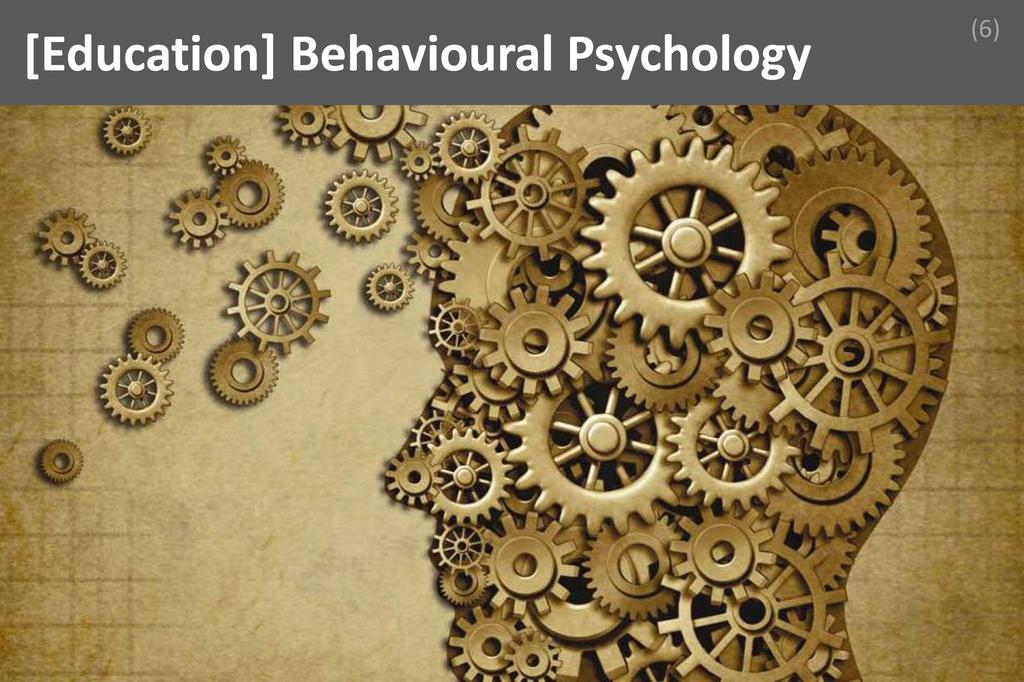
Behavioural Psychology is the scientific study of observable actions and the processes by which individuals learn and modify their behaviours in response to environmental stimuli. In Learning & Development, it provides essential insights into how people acquire new skills, adapt to change, and sustain motivation, making it a cornerstone of effective training strategies.
Understanding behavioural psychology is vital for Learning & Development professionals because it equips them with the ability to design interventions that genuinely influence learner behaviour. By grasping concepts such as reinforcement, motivation, and habit formation, practitioners can create training programs that not only impart knowledge but also drive lasting behavioural change. This foundational knowledge enables professionals to assess learning needs accurately, predict potential obstacles, and tailor solutions that resonate with diverse audiences. Over the long term, mastery of behavioural psychology enhances a professional’s ability to foster engagement, improve performance outcomes, and demonstrate measurable impact, which are all critical for career advancement and organizational success in the evolving landscape of workplace learning.
Imagine a Learning & Development specialist tasked with improving compliance training in a large organization. Drawing on behavioural psychology, they recognize that simply providing information is insufficient to change employee behaviour. Instead, they design an interactive program that incorporates immediate feedback, positive reinforcement for correct actions, and real-life scenarios to increase relevance. Throughout the training, the specialist observes participant responses and adapts the approach to address resistance or disengagement, using techniques such as gamification and social proof to enhance motivation. By applying their theoretical understanding of behavioural psychology, the specialist not only increases completion rates but also ensures that employees internalize and consistently apply the desired behaviours in their daily work.
Personality Assessment
Personality assessment is the systematic measurement and evaluation of individual personality traits, behaviors, and characteristics using scientifically validated tools and methods. In Learning & Development, understanding personality assessment is essential for tailoring training, enhancing team dynamics, and supporting personal growth, making it a critical component of both academic study and professional practice.
A thorough grasp of personality assessment is indispensable for anyone in Learning & Development because it enables professionals to recognize and appreciate the diverse personalities within an organization. This knowledge forms the basis for designing effective training programs, fostering inclusive learning environments, and supporting employee engagement. By understanding how different personality types influence learning styles, motivation, and collaboration, practitioners can create more personalized and impactful development initiatives. Over time, this expertise not only enhances the effectiveness of training interventions but also positions Learning & Development professionals as strategic partners in talent management and organizational growth. Mastery of personality assessment tools and concepts is therefore a long-term asset, contributing to both individual career advancement and organizational success.
Imagine a Learning & Development specialist tasked with improving team collaboration in a rapidly growing company. Drawing on their understanding of personality assessment, they administer a validated personality inventory to team members and analyze the results. The insights reveal a mix of introverted and extroverted personalities, as well as varying preferences for communication and problem-solving. Using this information, the specialist designs a series of workshops that cater to different interaction styles, ensuring that both reflective and outgoing team members feel included and engaged. By applying theoretical knowledge of personality assessment, the specialist not only enhances team cohesion but also demonstrates the value of personalized learning strategies in achieving organizational objectives.
Overall Personality Development

Overall Personality Development refers to the holistic growth of an individual’s character, behavior, communication, emotional intelligence, and interpersonal skills. In Learning & Development, it is a crucial academic and professional domain, as it shapes how trainers, facilitators, and learners interact, adapt, and thrive within dynamic organizational environments.
Understanding Overall Personality Development is vital for anyone in Learning & Development because it underpins the ability to foster growth in others. Professionals in this field must not only possess technical knowledge but also demonstrate empathy, adaptability, and effective communication. Mastery of personality development concepts enables them to design and deliver impactful training programs, mentor diverse teams, and resolve conflicts constructively. Over time, this expertise enhances their credibility, leadership potential, and ability to drive organizational change. It also supports continuous self-improvement, ensuring that Learning & Development practitioners remain relevant and effective in evolving workplaces. Ultimately, a strong foundation in personality development is essential for building trust, motivating learners, and achieving long-term professional success.
Imagine a Learning & Development specialist tasked with onboarding a group of new employees from diverse backgrounds. Drawing on their understanding of Overall Personality Development, the specialist creates an inclusive training environment that encourages open communication and mutual respect. They adapt their facilitation style to accommodate different learning preferences and cultural perspectives, ensuring everyone feels valued and engaged. When a conflict arises between participants, the specialist uses emotional intelligence and conflict resolution skills to mediate the situation, turning it into a learning opportunity for the group. By applying these principles daily, the professional not only enhances the effectiveness of the training but also models the personal growth and adaptability they seek to inspire in others.
Appraisal Cycle
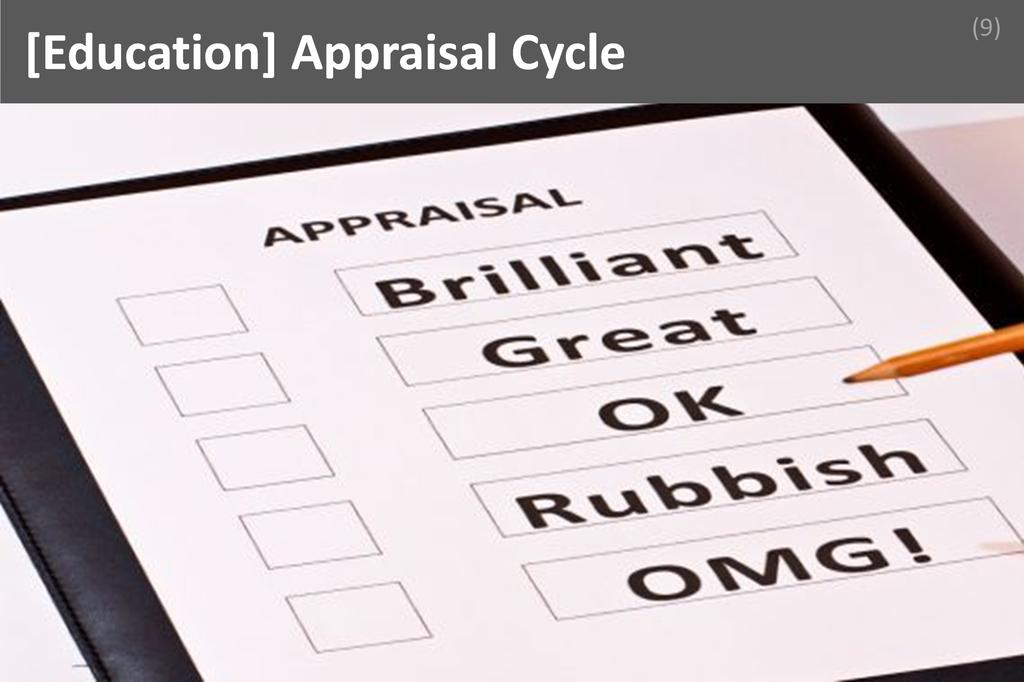
An appraisal cycle is a structured, recurring process within organizations that evaluates employee performance, sets objectives, provides feedback, and identifies development needs. In Learning & Development, understanding the appraisal cycle is essential for aligning training initiatives with organizational goals and ensuring continuous professional growth for both individuals and teams.
Grasping the appraisal cycle is crucial for anyone in Learning & Development because it directly connects employee performance with organizational success. By mastering this subject, professionals can design targeted interventions that address skill gaps, foster a culture of feedback, and support career progression. The appraisal cycle also underpins effective talent management, helping L&D practitioners to identify high-potential employees and tailor learning pathways accordingly. Over time, a deep understanding of appraisal cycles enhances credibility, enables data-driven decision-making, and positions L&D professionals as strategic partners in workforce planning. This foundational knowledge ensures that learning initiatives are not only relevant but also measurable, contributing to both individual and organizational advancement.
Imagine a Learning & Development specialist working in a large corporation during the annual appraisal cycle. As managers conduct performance reviews, the specialist analyzes feedback and performance data to identify common skill gaps across departments. Drawing on their understanding of the appraisal cycle, they collaborate with department heads to design targeted training programs that address these gaps before the next review period. Throughout the year, they monitor progress, adjust learning interventions based on ongoing feedback, and ensure that employees are supported in achieving their development goals. This proactive approach not only improves individual performance but also aligns workforce capabilities with the company’s strategic objectives, demonstrating the practical value of mastering the appraisal cycle.
Organizational Growth & Structure
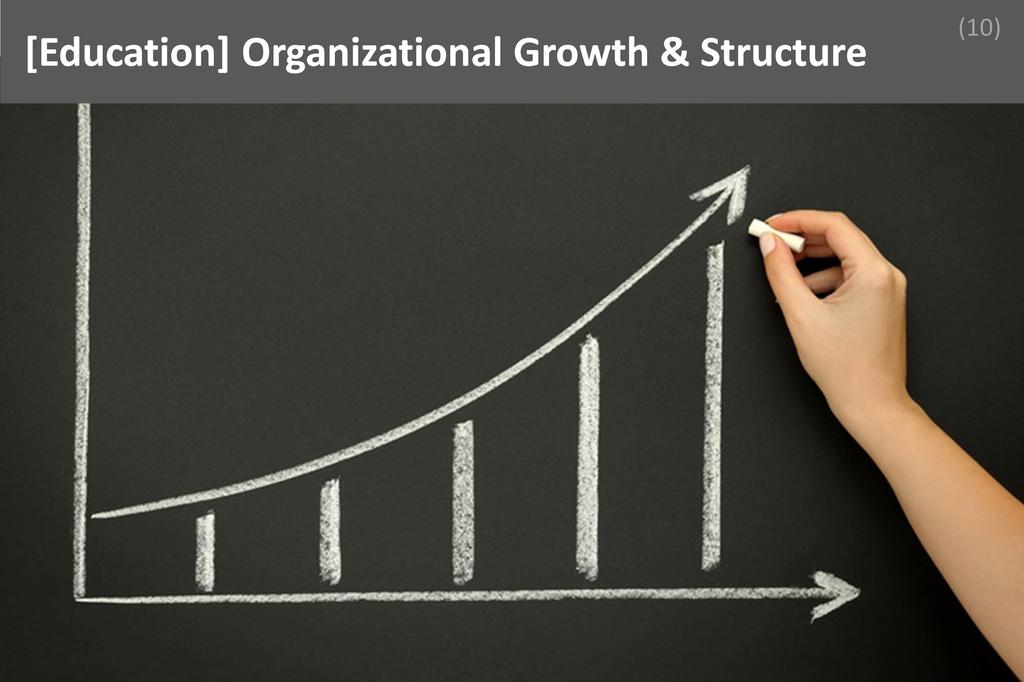
Organizational Growth & Structure refers to the patterns and processes by which organizations expand, adapt, and arrange their internal frameworks, including hierarchies, roles, and workflows. In Learning & Development, understanding these dynamics is essential for designing effective training strategies that align with evolving business needs and support sustainable organizational success.
A deep understanding of Organizational Growth & Structure is crucial for Learning & Development professionals because it enables them to anticipate and respond to the changing needs of their organizations. As companies grow or restructure, the demands on employee skills, leadership capabilities, and communication channels shift significantly. Mastery of this subject allows professionals to design learning initiatives that are not only relevant but also scalable and adaptable to various organizational stages. This foundational knowledge ensures that learning interventions are strategically aligned with business objectives, fostering a culture of continuous improvement. Over the long term, professionals who grasp these concepts are better positioned to drive organizational change, support talent development, and contribute meaningfully to overall business performance.
Imagine a Learning & Development specialist working in a rapidly expanding technology firm. As the company grows from a start-up to a mid-sized enterprise, its structure evolves from a flat hierarchy to a more complex, multi-layered organization. The specialist uses their understanding of Organizational Growth & Structure to assess how these changes impact communication, decision-making, and skill requirements across departments. By mapping out the new organizational framework, they identify emerging leadership gaps and design targeted training programs to develop managerial competencies. Their theoretical knowledge enables them to align learning solutions with the company’s growth trajectory, ensuring that employees are equipped to navigate new roles and responsibilities as the organization scales.
Psychometric Analysis

Psychometric Analysis is the scientific process of measuring individuals’ mental capabilities, personality traits, attitudes, and aptitudes using standardized tests and statistical methods. In Learning & Development, it provides objective data to assess learners’ strengths, weaknesses, and potential, forming a crucial part of designing effective training and development programs.
Understanding psychometric analysis is essential for Learning & Development professionals because it enables them to make informed decisions based on reliable data rather than intuition alone. Mastery of this subject ensures that training interventions are tailored to the actual needs of individuals and groups, enhancing both engagement and outcomes. It also helps in identifying skill gaps, predicting future performance, and supporting talent management strategies. Over time, proficiency in psychometric analysis elevates a professional’s credibility, allowing them to contribute more strategically to organizational growth and employee development. This expertise is increasingly sought after as organizations prioritize evidence-based approaches to workforce development and seek to maximize the return on investment in their people.
Consider a Learning & Development specialist tasked with designing a leadership development program for mid-level managers. By applying psychometric analysis, the specialist administers validated assessments to evaluate participants’ leadership styles, cognitive abilities, and interpersonal skills. The results reveal distinct strengths and areas for improvement across the group. Using this data, the specialist customizes the program content to address specific developmental needs, ensuring that each participant receives targeted support. Throughout the program, ongoing psychometric evaluations track progress and inform necessary adjustments. This data-driven approach not only increases the effectiveness of the training but also demonstrates measurable outcomes to stakeholders, reinforcing the value of Learning & Development initiatives within the organization.
Neuro Linguistic Programming
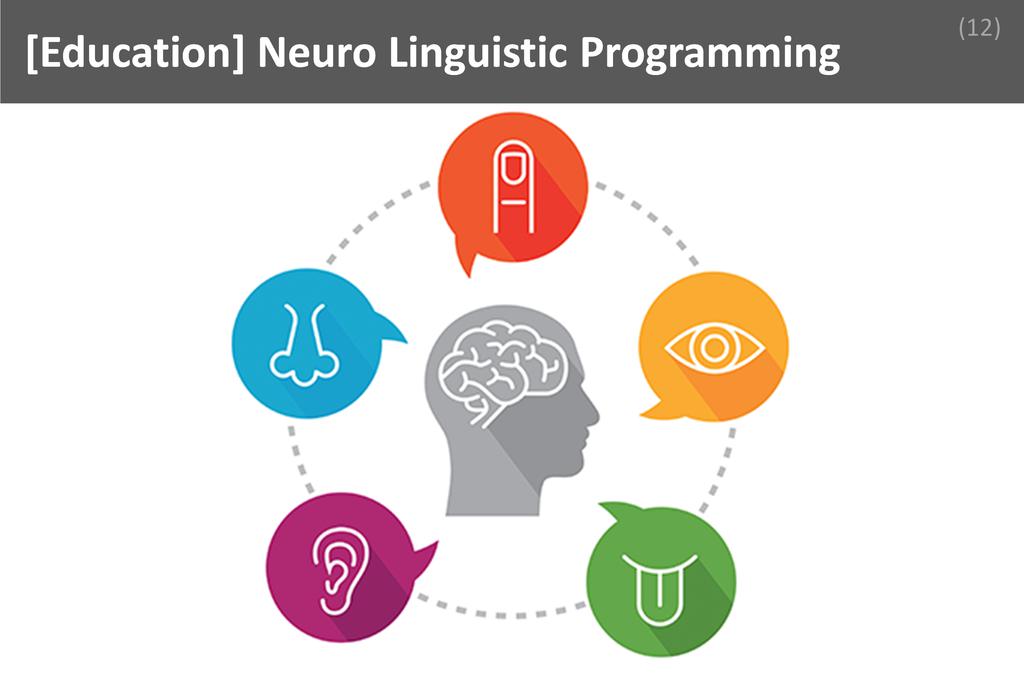
Neuro Linguistic Programming (NLP) is a psychological approach that explores the relationships between neurological processes, language, and behavioral patterns learned through experience. In Learning & Development, NLP provides essential insights into how individuals process information, communicate, and adapt to change, making it a valuable component of professional and academic expertise.
Understanding Neuro Linguistic Programming is vital for Learning & Development professionals because it equips them with tools to enhance communication, motivation, and learning outcomes. By mastering NLP, professionals can tailor training programs to diverse learning styles, foster positive behavioral change, and build rapport with learners. This foundational knowledge enables practitioners to address resistance, improve engagement, and facilitate more effective knowledge transfer. Over the long term, expertise in NLP supports career advancement by enabling professionals to design impactful interventions, coach individuals and teams, and drive organizational growth. As the workplace evolves, those skilled in NLP are better positioned to lead change initiatives and cultivate a culture of continuous learning.
Imagine a Learning & Development specialist tasked with improving team collaboration within a company. Drawing on their understanding of Neuro Linguistic Programming, they observe team interactions to identify communication patterns and sensory preferences among members. By applying NLP techniques, the specialist adapts their facilitation style, using language and activities that resonate with both visual and auditory learners. They introduce reframing strategies to help team members overcome limiting beliefs and encourage open dialogue. As a result, the team becomes more cohesive, misunderstandings decrease, and collaborative problem-solving improves. This scenario demonstrates how theoretical knowledge of NLP can be seamlessly integrated into daily operations to achieve tangible improvements in workplace dynamics and learning effectiveness.
Skills
Interpersonal
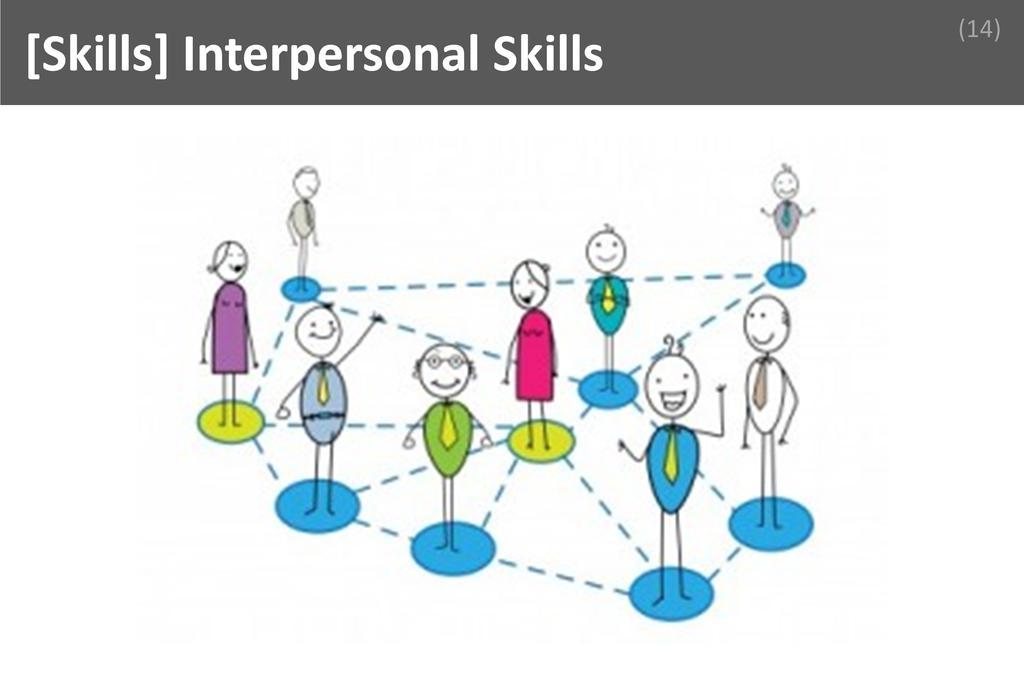
Interpersonal refers to the ability to effectively communicate, collaborate, and build positive relationships with others through empathy, active listening, and mutual respect. In Learning & Development, this skill enables professionals to connect with learners, understand their needs, and foster an environment that encourages growth, engagement, and continuous improvement.
Interpersonal skills are fundamental to success in Learning & Development because they enable professionals to build trust, motivate learners, and facilitate open communication. Employers and clients value these abilities as they lead to stronger collaboration, more effective training sessions, and higher learner satisfaction. By actively seeking feedback, practicing empathy, and engaging in reflective conversations, professionals can continuously refine their interpersonal abilities. Over time, participating in team projects, attending workshops, and observing skilled colleagues further enhances this skill. The result is a professional who can navigate complex group dynamics, resolve conflicts diplomatically, and inspire others to achieve their learning goals.
Imagine a Learning & Development specialist tasked with rolling out a new training program that initially meets resistance from a skeptical team. By leveraging strong interpersonal skills, the specialist listens attentively to concerns, acknowledges the team’s apprehensions, and communicates the benefits of the program in a relatable way. Through open dialogue and genuine empathy, the specialist builds rapport and trust, gradually turning resistance into engagement. As a result, the team becomes more receptive, participates actively, and the training achieves its objectives. This scenario highlights how interpersonal skills can transform challenges into opportunities for success in Learning & Development.
Emotional Quotient
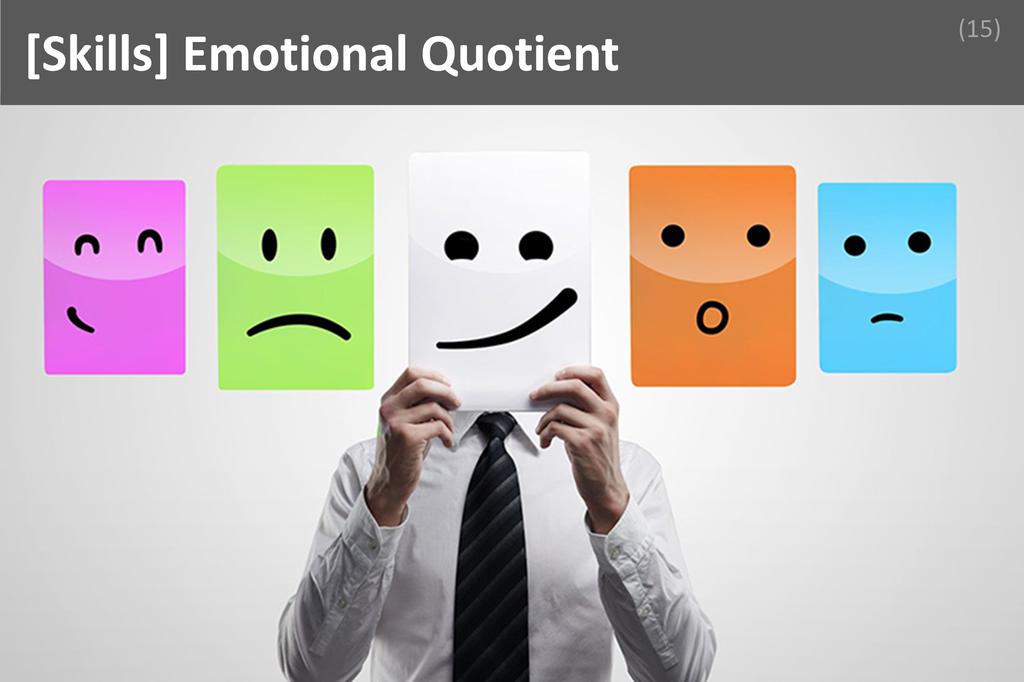
Emotional Quotient, often referred to as EQ, is the ability to recognize, understand, manage, and influence one’s own emotions and the emotions of others. In Learning & Development, EQ enables professionals to foster positive relationships, adapt to diverse learners, and create supportive environments that drive engagement and growth.
Emotional Quotient enhances a Learning & Development professional’s effectiveness by enabling them to connect authentically with learners, navigate group dynamics, and respond constructively to feedback or resistance. Clients and employers highly value EQ because it leads to more impactful training sessions, higher learner satisfaction, and better organizational outcomes. Cultivating EQ involves self-reflection, active listening, empathy, and continuous practice in real-world interactions. By seeking feedback, observing emotional cues, and remaining open to personal growth, professionals can steadily strengthen their emotional intelligence. Over time, this skill becomes integral to building trust, resolving conflicts, and inspiring motivation within teams and across organizations.
Imagine a Learning & Development specialist facilitating a workshop where participants are disengaged and resistant to new processes. Instead of pushing through the agenda, the professional notices the group’s frustration and pauses to invite open discussion. By empathetically acknowledging concerns and validating emotions, the facilitator diffuses tension and builds rapport. Through active listening and adaptive communication, the specialist tailors the session to address specific anxieties, transforming resistance into collaboration. As a result, participants feel heard and supported, leading to increased engagement and a more successful learning outcome. This scenario highlights how a strong Emotional Quotient enables professionals to turn challenging situations into opportunities for connection and growth.
Presentation Skills

Presentation skills refer to the ability to effectively communicate information, ideas, or concepts to an audience using clear speech, engaging visuals, and confident body language. In Learning & Development, these skills enable professionals to deliver training, facilitate workshops, and convey complex material in a way that is accessible and memorable for learners.
Mastering presentation skills directly enhances a Learning & Development professional’s effectiveness by ensuring that training sessions are engaging, informative, and impactful. Employers and clients highly value this skill because it leads to better learner outcomes, higher retention rates, and a more positive perception of training programs. Strong presenters can adapt their delivery to suit different audiences, clarify difficult topics, and foster interactive learning environments. To cultivate this skill, professionals should seek regular opportunities to present, solicit feedback, observe skilled presenters, and continuously refine their techniques through practice and reflection. Over time, this commitment to improvement builds confidence and versatility, making the professional an indispensable asset to any organization.
Imagine a Learning & Development specialist tasked with rolling out a new company-wide software platform. Employees are resistant, citing confusion and anxiety about the change. The specialist leverages their presentation skills to design a series of interactive workshops, using clear explanations, relatable examples, and dynamic visuals to demystify the software. By confidently addressing questions and encouraging participation, the specialist transforms skepticism into enthusiasm. As a result, employees quickly adapt to the new platform, productivity remains high, and the transition is viewed as a success. In this scenario, the professional’s ability to present information effectively is the key factor in overcoming resistance and achieving organizational goals.
Appraisal Management

Appraisal Management refers to the systematic process of evaluating, documenting, and enhancing employee performance through structured feedback, goal-setting, and development planning. In Learning & Development, it ensures that training initiatives align with organizational objectives, supports continuous improvement, and fosters a culture of accountability and growth among employees and teams.
Mastering Appraisal Management enables Learning & Development professionals to accurately assess training effectiveness, identify skill gaps, and tailor interventions that drive measurable improvement. Employers and clients value this skill because it leads to more targeted development programs, higher employee engagement, and better business outcomes. Cultivating Appraisal Management involves ongoing learning in performance evaluation techniques, staying updated with best practices, and actively seeking feedback from both learners and stakeholders. Over time, professionals refine their ability to deliver constructive feedback, set realistic goals, and facilitate meaningful development conversations, all of which contribute to a more agile and high-performing workforce.
Consider a scenario where a Learning & Development specialist notices declining engagement in a company’s leadership training program. By leveraging Appraisal Management, the specialist conducts thorough performance reviews and gathers feedback from participants and their managers. This analysis reveals that the training content no longer aligns with current business challenges. Using these insights, the specialist collaborates with stakeholders to redesign the program, ensuring it addresses relevant skills and objectives. As a result, participant engagement and performance improve significantly, demonstrating how effective Appraisal Management can transform challenges into opportunities for organizational growth and success.
Communication

Communication is the process of exchanging information, ideas, and emotions through verbal, nonverbal, and written means to achieve mutual understanding. In Learning & Development, communication is fundamental for conveying complex concepts, facilitating collaboration, and ensuring that training objectives align with organizational goals. It enables professionals to engage learners, gather feedback, and adapt strategies effectively.
Strong communication skills directly enhance a Learning & Development professional’s ability to design, deliver, and evaluate training programs. Effective communicators can clearly articulate learning objectives, provide constructive feedback, and foster an inclusive environment where participants feel heard and valued. Clients and employers prioritize this skill because it ensures that training initiatives are understood, adopted, and produce measurable results. To cultivate communication skills, professionals should seek opportunities for public speaking, actively solicit feedback, and engage in reflective practice. Over time, consistent effort in refining both listening and presentation abilities leads to greater confidence and adaptability, making communication an indispensable asset in the field.
Imagine a Learning & Development specialist tasked with rolling out a new software training program across a diverse, global workforce. Early feedback reveals confusion and resistance among participants. The specialist leverages strong communication skills by organizing interactive webinars, addressing concerns in real time, and simplifying technical jargon. Through empathetic listening and clear explanations, the specialist builds trust and clarifies expectations, resulting in increased engagement and smoother adoption of the software. This scenario highlights how effective communication not only resolves immediate misunderstandings but also fosters a supportive learning environment, ultimately driving the success of the training initiative and contributing to organizational growth.
Human Analysis

Human Analysis is the systematic process of understanding individuals’ motivations, behaviors, learning styles, and interpersonal dynamics within an organizational context. In Learning & Development, it enables professionals to tailor programs, anticipate challenges, and foster environments where learners thrive. This skill ensures that training initiatives are relevant, impactful, and aligned with human needs.
Mastering Human Analysis enhances a Learning & Development professional’s ability to design and deliver effective learning experiences. By accurately interpreting the needs and dynamics of diverse groups, professionals can create targeted interventions that drive engagement and performance. Employers and clients value this skill because it leads to measurable improvements in employee growth, retention, and organizational outcomes. Cultivating Human Analysis involves continuous observation, active listening, empathy, and reflection on feedback. Over time, professionals refine their intuition and analytical abilities by engaging with varied teams, seeking mentorship, and staying updated on psychological and educational research. This ongoing development ensures that their approach remains adaptive and evidence-based.
Imagine a Learning & Development specialist tasked with improving collaboration in a cross-functional team experiencing frequent misunderstandings. By applying Human Analysis, the specialist observes team interactions, conducts confidential interviews, and identifies underlying issues such as communication barriers and conflicting work styles. Drawing on these insights, the specialist customizes a workshop that addresses specific interpersonal challenges and introduces strategies tailored to the team’s unique dynamics. As a result, participants gain a deeper understanding of each other’s perspectives, leading to more effective collaboration and a noticeable reduction in conflict. This outcome demonstrates how Human Analysis directly contributes to resolving complex workplace issues and achieving organizational goals.
Politeness & Calmness

Politeness & Calmness is the ability to maintain respectful, considerate communication and a composed demeanor, even in challenging or high-pressure situations. In Learning & Development, this skill enables professionals to foster trust, encourage open dialogue, and create a positive environment where learners and stakeholders feel valued and understood.
Politeness & Calmness directly enhances a Learning & Development professional’s effectiveness by ensuring interactions remain constructive, even when faced with resistance or criticism. Clients and employers highly value this skill because it helps diffuse tension, supports collaborative problem-solving, and upholds the organization’s reputation. Professionals can cultivate it by practicing active listening, reflecting before responding, and seeking feedback on their communication style. Over time, consistent self-awareness and mindfulness techniques help reinforce a calm approach, allowing individuals to handle unexpected challenges gracefully. By embodying politeness and calmness, Learning & Development specialists build stronger relationships, facilitate smoother training sessions, and contribute to a culture of respect and continuous improvement.
Imagine a Learning & Development professional facilitating a workshop when a participant becomes frustrated and openly challenges the training content. Instead of reacting defensively, the facilitator remains calm and responds with polite acknowledgment of the participant’s concerns. By listening attentively and addressing the issue respectfully, the facilitator diffuses the tension and encourages constructive discussion. This approach not only reassures the participant but also demonstrates to the group that differing opinions are welcome and can be managed professionally. As a result, the session continues productively, and participants feel more comfortable engaging, ultimately leading to a more successful learning outcome for everyone involved.
Collaborative Attitude

A collaborative attitude is the consistent willingness to work openly and constructively with others, valuing diverse perspectives, sharing knowledge, and seeking collective solutions. In Learning & Development, this mindset enables professionals to co-create effective learning experiences, foster innovation, and build strong partnerships that drive organizational growth and employee engagement.
A collaborative attitude directly enhances performance by enabling Learning & Development professionals to tap into the collective expertise of colleagues, stakeholders, and learners. This approach leads to richer, more relevant training solutions and smoother project execution. Employers and clients highly value this skill because it ensures alignment with organizational goals, encourages knowledge sharing, and reduces silos that can hinder progress. Cultivating a collaborative attitude involves actively listening to others, seeking feedback, and being open to new ideas. Over time, professionals can strengthen this skill by participating in cross-functional projects, engaging in reflective practice, and consistently prioritizing team success over individual recognition.
Imagine a Learning & Development specialist tasked with rolling out a new digital training platform across multiple departments. Initial feedback reveals resistance from some teams due to differing workflows and priorities. By demonstrating a collaborative attitude, the specialist organizes joint workshops, inviting representatives from each department to voice concerns and suggest improvements. Through open dialogue and shared problem-solving, the group co-designs a tailored implementation plan that addresses unique needs while maintaining organizational consistency. As a result, adoption rates increase, and the platform delivers measurable learning outcomes. This scenario highlights how a collaborative attitude not only resolves critical challenges but also builds trust and long-term partnerships across the organization.
Positives
Changing Lives Everyday

"Changing Lives Everyday" means making a meaningful difference in the personal and professional growth of individuals by empowering them with knowledge, skills, and confidence. In Learning & Development, this concept is central, as every interaction, training session, or coaching moment has the potential to transform someone’s career trajectory and overall outlook on life.
The ability to change lives every day is a powerful motivator for professionals in Learning & Development. This positive aspect matters because it brings a deep sense of purpose and fulfillment, knowing that your work directly contributes to the success and happiness of others. It enhances job satisfaction by creating a tangible connection between your efforts and the progress of learners. As professionals witness learners overcoming challenges, mastering new skills, and achieving their goals, they experience a unique sense of pride and accomplishment. This ongoing impact not only fuels personal growth but also fosters a culture of continuous improvement within organizations, making every day on the job meaningful and rewarding.
Imagine a Learning & Development specialist who designs a leadership program for emerging managers. Over several months, she observes participants gaining confidence, improving communication, and stepping into new roles with enthusiasm. One participant, initially hesitant and unsure, blossoms into a team leader who inspires others and drives positive change within the company. The specialist receives heartfelt feedback from this individual, expressing gratitude for the guidance and support that made such growth possible. This moment encapsulates the true essence of changing lives every day, as the specialist sees firsthand how her dedication has empowered someone to reach their full potential and make a lasting impact on their organization.
Human Interaction

Human Interaction refers to the dynamic exchange of ideas, emotions, and feedback between individuals, fostering understanding, collaboration, and growth. In Learning & Development, it involves engaging with learners, colleagues, and stakeholders to facilitate knowledge transfer, inspire motivation, and create supportive environments. This interaction enriches the profession by making learning personal and impactful.
The centrality of human interaction in Learning & Development transforms the profession into a deeply rewarding career. Every day, professionals connect with diverse individuals, tailoring learning experiences to unique needs and backgrounds. This ongoing engagement cultivates empathy, adaptability, and communication skills, making each day varied and meaningful. The opportunity to witness learners’ progress and breakthroughs firsthand brings immense job satisfaction, as professionals see the tangible results of their guidance and encouragement. Human interaction also fosters a sense of community and belonging, both for the facilitator and the learners, which enhances motivation and drives continuous personal and professional growth. Ultimately, it is the human connections that make the work truly significant and memorable.
Imagine a Learning & Development specialist leading a workshop for new employees. As the session unfolds, the facilitator notices a participant struggling with a concept. Through attentive listening and supportive dialogue, the specialist adapts the explanation, using relatable examples and encouraging questions. The participant’s understanding grows, and their confidence visibly increases. After the session, the employee expresses gratitude for the personalized support, sharing how it made them feel valued and empowered. This moment exemplifies the profound impact of human interaction in Learning & Development: the ability to connect, respond, and make a real difference in someone’s professional journey, leaving both the learner and the facilitator inspired and fulfilled.
Satisfaction by Providing Solutions

Satisfaction by Providing Solutions is the deep sense of fulfillment that comes from identifying challenges, crafting effective responses, and witnessing tangible improvements as a result. In Learning & Development, this means helping individuals and organizations overcome obstacles, enhance skills, and achieve goals, which creates a meaningful and positive impact every day.
This positive aspect is at the heart of why many professionals are drawn to Learning & Development. The ability to diagnose learning gaps, design tailored interventions, and see the direct results of your work fosters a strong sense of accomplishment. Each solution delivered not only helps learners grow but also drives organizational success, making your contributions visible and valued. This ongoing cycle of problem-solving and improvement keeps the work dynamic and engaging, fueling continuous professional growth. The daily experience of making a difference, whether through a new training module or a coaching session, reinforces motivation and job satisfaction, creating a rewarding career path for those passionate about helping others succeed.
Imagine a Learning & Development specialist working with a team struggling to adapt to new technology. By carefully assessing their needs, the specialist designs an interactive training program that addresses specific pain points and builds confidence. As the team progresses, productivity rises and frustration diminishes. The specialist witnesses firsthand the transformation in both morale and performance, knowing their solution directly contributed to this positive change. This experience not only validates their expertise but also provides a lasting sense of purpose and satisfaction, as they see the real-world impact of their efforts on individuals and the broader organization.
Rarity of Expertise

Rarity of Expertise refers to the unique and specialized knowledge, skills, and insights that few individuals possess within a particular field. In Learning & Development, this means mastering instructional design, adult learning theory, and organizational change in ways that set professionals apart. This rarity elevates their value and influence within organizations.
The rarity of expertise in Learning & Development brings a profound sense of purpose and distinction to those who pursue this career. Because few possess the deep understanding required to design effective learning experiences and drive organizational growth, professionals in this field often become trusted advisors and strategic partners. This recognition leads to increased job satisfaction, as their contributions are highly valued and sought after. The constant demand for their unique skills opens doors to career advancement and personal growth. Each day, Learning & Development professionals witness the tangible impact of their rare expertise as they empower others, shape company culture, and drive meaningful change, making their work both fulfilling and influential.
Imagine a Learning & Development specialist at a global technology company who is tasked with rolling out a new leadership development program. Because of their rare expertise in adult learning and cross-cultural training, they are able to design a program that resonates with diverse teams across continents. As the program launches, leaders from various regions express gratitude for the tailored approach, and the company sees measurable improvements in engagement and performance. The specialist receives recognition from senior management and is invited to share their methods at industry conferences. This experience not only validates their unique skills but also reinforces the profound impact that rarity of expertise can have on both individual careers and organizational success.
Challenges
Harsh Attitude

In Learning & Development, "Harsh Attitude" refers to the persistent negativity, resistance, or dismissiveness from stakeholders, participants, or leadership toward training initiatives or L&D professionals themselves. This challenge is demanding because it undermines collaboration, stifles innovation, and can erode morale, making it difficult to foster a positive learning culture.
Encountering harsh attitudes in Learning & Development can significantly disrupt daily workflows, as professionals may face skepticism, criticism, or outright opposition when proposing or implementing new programs. This environment requires resilience, as repeated negativity can lead to self-doubt and burnout. Successful L&D professionals manage this constraint by maintaining professionalism, actively listening to concerns, and seeking to understand the root causes of resistance. They focus on building trust through open communication and demonstrating the tangible value of their initiatives. By remaining adaptable and empathetic, they gradually shift perceptions and foster a more receptive atmosphere, ensuring that learning objectives are met despite initial hostility.
Consider a Learning & Development manager tasked with rolling out a new digital training platform in a company where senior employees openly express skepticism and frustration, dismissing the initiative as unnecessary. Rather than reacting defensively, the manager arranges small group discussions to listen to their concerns and gathers feedback on their specific pain points. By incorporating their suggestions into the rollout plan and providing tailored support, the manager demonstrates respect for their experience and addresses their apprehensions directly. Over time, this approach not only reduces resistance but also transforms some of the harshest critics into advocates, illustrating how empathy and persistence can turn a challenging attitude into an opportunity for engagement and growth.
Unawareness

Unawareness in Learning & Development refers to the lack of knowledge or recognition about existing skill gaps, learning needs, or organizational challenges among employees or stakeholders. This issue is demanding because it hinders proactive planning, delays interventions, and often leads to misaligned training initiatives that fail to address the root causes of performance gaps.
The presence of unawareness in Learning & Development can significantly disrupt daily operations. Professionals may find themselves investing time and resources into programs that do not resonate with actual needs, resulting in low engagement and limited impact. This challenge requires resilience, as it often means working in environments where feedback is scarce and true needs are hidden beneath the surface. Successful professionals overcome this by fostering open communication, building trust with stakeholders, and employing diagnostic tools such as surveys or interviews to uncover hidden issues. They remain adaptable, continuously seeking feedback and adjusting their strategies to ensure alignment with evolving organizational goals, thereby transforming unawareness into actionable insight.
Consider a Learning & Development manager in a large corporation who notices declining participation in training sessions. Rather than attributing this solely to lack of interest, she initiates confidential interviews and pulse surveys to explore underlying causes. Through these efforts, she discovers that many employees are unaware of how the training connects to their daily responsibilities. By collaborating with department heads, she redesigns the curriculum to include real-world applications and communicates the direct benefits of participation. As a result, engagement rises and the training becomes more impactful, demonstrating how proactive investigation and responsive adaptation can effectively address the challenge of unawareness.
Group Diversity

Group Diversity in Learning & Development refers to the wide range of backgrounds, experiences, learning styles, cultures, and abilities present within any group of learners. This diversity is demanding because it requires facilitators to design and deliver content that is relevant, accessible, and engaging for everyone, despite differing needs.
The challenge of group diversity significantly shapes the daily responsibilities of Learning & Development professionals. Facilitators must constantly adapt their materials and delivery methods to ensure inclusivity and effectiveness, which can be both mentally taxing and time-consuming. This ongoing need for flexibility and creativity demands resilience, as professionals must frequently reassess and refine their approaches in response to participant feedback and observed engagement levels. Successful practitioners manage this constraint by cultivating cultural competence, employing a variety of instructional techniques, and fostering an environment where all voices are valued. By remaining open to continuous learning and feedback, they are able to bridge gaps, promote collaboration, and ensure that learning objectives are met for a diverse audience.
Consider a Learning & Development specialist tasked with delivering leadership training to a multinational team. The group includes participants from different countries, age groups, and professional backgrounds, each with unique perspectives and expectations. Recognizing these differences, the facilitator incorporates a mix of case studies, group discussions, and hands-on activities, allowing participants to contribute in ways that suit their strengths. They also encourage sharing of personal experiences, which enriches the learning environment and fosters mutual respect. By actively listening and adjusting the pace and content as needed, the specialist ensures that everyone remains engaged and that the training objectives are achieved, demonstrating an effective response to the challenge of group diversity.
A Day Of
Learning & Development
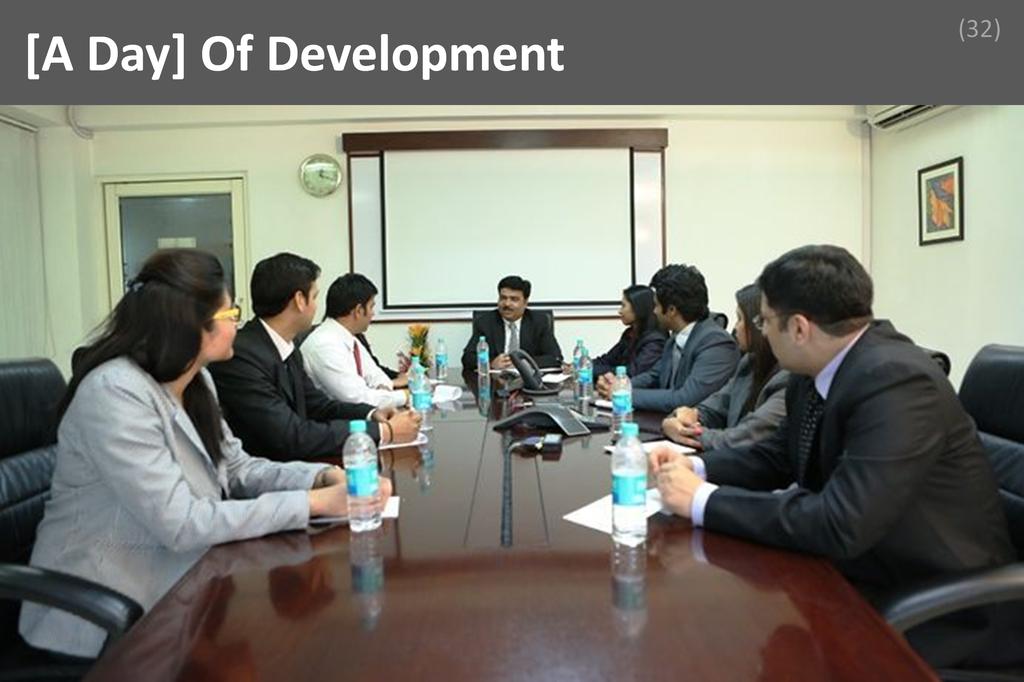
The hum of anticipation fills the air as a Learning & Development professional steps into their day, where no two hours are ever quite the same. In this dynamic environment, the pace is brisk and the energy is contagious, driven by the constant interplay between strategic planning and hands-on facilitation. Whether designing innovative training modules, coaching managers, or analyzing feedback, each moment is a blend of creativity, collaboration, and adaptability. The workday unfolds not behind a static desk, but across meeting rooms, digital platforms, and brainstorming sessions, all united by a single goal: empowering others to grow and succeed.
As the day begins, the first order of business is to review the day’s agenda, scan through emails for urgent requests, and check in on the progress of ongoing training programs. This quiet window is perfect for refining presentation slides, updating e-learning modules, or preparing handouts for upcoming workshops. With a fresh cup of coffee in hand, the Learning & Development practitioner ensures that all resources are in place and that any last-minute adjustments are made to tailor the day’s sessions to the needs of participants.
Mid-morning marks the heart of the action, as the practitioner leads interactive training sessions, workshops, or coaching meetings. Whether in-person or virtual, this is when energy peaks and engagement is paramount. Questions are fielded, discussions are sparked, and real-time feedback is woven into the learning experience. The practitioner adapts on the fly, reading the room and adjusting techniques to ensure every participant is not just present, but actively involved and inspired to apply new skills.
The afternoon brings a shift toward collaboration and execution. Meetings with department heads or subject matter experts fill the calendar, focused on aligning learning initiatives with organizational goals or developing new content. The practitioner may also partner with HR to analyze training data, identify skill gaps, or strategize on upcoming development programs. This is a time for creative problem-solving, sharing best practices, and ensuring that learning solutions are both relevant and impactful.
As the day winds down, attention turns to administrative tasks and forward planning. The practitioner reviews feedback from the day’s sessions, updates training records, and drafts reports on participation and outcomes. There’s also time to research emerging trends in learning technology or to brainstorm ideas for future programs. With a final check of tomorrow’s schedule, the day closes with a sense of accomplishment and a clear vision for the continuous journey of learning and development. |


 Home
Home Abroad
 Plan
Plan Philosophy
 Seminar
 Pages
Pages Advisors
 Testimonials























 Workshop
 Discuss
 Meet
Meet
 Advisor
 Story
Story
 Fine Print
 Links
Links
 Blog
Blog
 Follow
