Career Counselling 2.0 HomeHomeCareer Counselling 2.0 AbroadAbroadCareer Counselling 2.0 PlanPlanCareer Counselling 2.0 | TalksTalksCareer Counselling 2.0 PhilosophyPhilosophyCareer Counselling 2.0 SeminarSeminarCareer Counselling 2.0 PagesPagesCareer Counselling 2.0 AdvisorsAdvisorsCareer Counselling 2.0 TestimonialsTestimonials

Bartending

Bar Manager Seri Zawa talks about Bartending course, what is Bartending and other details about a Career in Bartending.


Bartending

Seri Zawa | Bar Manager | Drifters, Manali


What is Bartending?


You may be curious about a Career in Bartending. Internet is brimming with pages on How to get into Bartending, while one should first understand What is a Career in Bartending. While anyone can have an opinion on what Bartending entails; only a real professional can really explain it.

Bar Manager Seri Zawa has 2 years & 6 months of professional experience in Bartending. According to Bar Manager Seri Zawa, Bartending is:

A bartender is a person who formulates and serves alcoholic or soft drink beverages behind the bar, usually in a licensed establishment.


How Bar Manager Seri Zawa got into Bartending?


I did my Schooling from Sikkim. I then shifted to Kerala and completed my schooling. After my schooling I started working in various restaurants like in a bar in Palolim Beach, Goa and Palmtree in Varkala,Kerala. Now I am a Bar Manager at Drifters, Manali.


Bar Manager Seri Zawa's Talk on Bartending


Session Image
The Journey of Bartending


What Is Bartending


Bartending

### Bartending Image
What is
Bartending is the professional practice of preparing, mixing, and serving alcoholic and non-alcoholic beverages to customers in bars, restaurants, clubs, and events. Bartenders also interact with patrons, maintain bar supplies, ensure responsible alcohol service, and create a welcoming atmosphere, making them essential to the hospitality industry.

Concept
Bartending plays a vital role in the hospitality sector by shaping customer experiences and contributing to the overall atmosphere of social venues. For professionals, bartending offers opportunities to develop strong interpersonal and communication skills, as well as creativity in crafting unique drinks. The profession also provides flexibility, allowing bartenders to work in diverse environments and often offering lucrative earning potential through tips. Bartending fosters a sense of community, as bartenders often become trusted figures for regular patrons, and it encourages continuous learning about new trends, spirits, and techniques. The dynamic nature of the job ensures that no two days are the same, making it both challenging and rewarding for those who thrive in fast-paced, social settings.

Real World Example
A professional bartender working in a busy downtown cocktail bar begins their shift by preparing the bar area, ensuring all ingredients and tools are ready for service. Throughout the evening, they greet customers, recommend drinks based on preferences, and expertly mix classic and signature cocktails. They engage with patrons, creating a friendly and inviting atmosphere while managing multiple orders efficiently. The bartender also monitors alcohol consumption to promote responsible drinking and handles cash or digital payments. By the end of the night, they clean the bar, restock supplies, and reflect on the connections made with customers. This daily routine highlights the blend of technical skill, customer service, and adaptability required in bartending.

Education


Practical Knowledge

### Practical Knowledge Image
What is
Practical knowledge refers to the hands-on skills and real-world experience gained through direct involvement in tasks, rather than through theoretical study alone. In bartending, it bridges the gap between academic learning and on-the-job performance, enabling professionals to apply concepts, techniques, and best practices effectively in a fast-paced environment.

Concept
Understanding practical knowledge is essential for anyone entering or advancing in bartending because it transforms theoretical concepts into actionable skills. While formal education can teach the science behind mixology, hygiene, and customer service, only practical experience allows bartenders to master the nuances of pouring, mixing, and engaging with patrons. This foundation is crucial for building confidence, efficiency, and adaptability behind the bar. Over time, practical knowledge fosters professional growth, enabling bartenders to handle unexpected situations, innovate with new recipes, and provide exceptional service. It also enhances employability and career progression, as employers highly value individuals who can demonstrate both technical proficiency and the ability to thrive under real-world pressures.

Real World Example
Consider a bartender working during a busy weekend night. Their theoretical understanding of cocktail recipes and customer service principles is important, but it is their practical knowledge that truly shines. They efficiently multitask by preparing multiple drinks at once, adjusting their techniques to accommodate different glassware and ingredients, and maintaining a clean workspace despite the rush. When a customer requests a custom drink, the bartender draws on their hands-on experience to quickly assess flavor profiles and suggest suitable options. Their ability to remain calm, communicate clearly with colleagues, and resolve issues on the spot demonstrates how practical knowledge is applied daily, ensuring smooth operations and satisfied customers.

Bar Equipments

### Bar Equipments Image
What is
Bar Equipments refers to the collection of specialized tools, utensils, and machinery used in the preparation, serving, and presentation of beverages in a bar setting. Mastery of these items is a fundamental component of both academic study and professional practice in bartending, ensuring efficiency, safety, and quality service.

Concept
Understanding bar equipments is essential for anyone aspiring to excel in bartending, as it forms the backbone of daily operations behind the bar. Familiarity with each tool’s function, maintenance, and proper usage not only enhances workflow but also minimizes waste and prevents accidents. This foundational knowledge enables bartenders to craft drinks with precision, maintain hygiene standards, and adapt to various service environments. Over time, expertise in bar equipments contributes to a bartender’s confidence and versatility, opening doors to advanced roles, management positions, and specialized cocktail creation. In a competitive industry, those who master their tools are better positioned for career growth and are highly valued by employers for their professionalism and efficiency.

Real World Example
Imagine a busy Friday night at a popular cocktail bar. A bartender, drawing on their knowledge of bar equipments, quickly selects the correct shaker for a martini, uses a jigger to measure spirits accurately, and employs a muddler to crush fresh herbs for a mojito. Their familiarity with the ice crusher ensures the right texture for a frozen daiquiri, while proper use of the glass washer keeps glassware spotless and ready for service. By understanding and efficiently utilizing each piece of equipment, the bartender maintains a smooth workflow, delivers consistent quality, and keeps up with customer demand. This expertise not only impresses patrons but also supports the bar’s reputation for excellence.

Bottles Knowledge

### Bottles Knowledge Image
What is
Bottles Knowledge refers to the comprehensive understanding of the various types of spirits, liqueurs, wines, and mixers stocked behind a bar, including their origins, flavor profiles, and uses in cocktails. It is an essential component of both academic study and professional expertise for anyone pursuing a career in bartending.

Concept
Developing Bottles Knowledge is crucial for bartenders because it underpins every aspect of their craft, from recommending drinks to customers to crafting classic and innovative cocktails. A strong grasp of this subject enables professionals to confidently identify and distinguish between brands, styles, and qualities of spirits, which enhances customer trust and satisfaction. Over time, this expertise contributes to a bartender’s reputation, opening doors to advanced roles and opportunities in the hospitality industry. Furthermore, understanding the nuances of bottles allows bartenders to manage inventory efficiently, minimize waste, and ensure the consistent quality of beverages served, all of which are vital for the smooth operation and profitability of any bar.

Real World Example
Imagine a bartender working during a busy evening shift when a guest requests a cocktail featuring a specific gin with floral notes. Drawing on their Bottles Knowledge, the bartender quickly identifies the right bottle from the shelf, knowing its botanical profile and how it will interact with other ingredients. They confidently suggest a complementary mixer and garnish, explaining the choice to the guest and enhancing the overall experience. This expertise not only ensures the drink meets the customer’s expectations but also demonstrates professionalism and attention to detail. In this scenario, Bottles Knowledge directly impacts customer satisfaction, streamlines service, and reinforces the bartender’s role as a trusted beverage expert.

Bar Etiquettes

### Bar Etiquettes Image
What is
Bar Etiquettes refers to the set of social norms, professional behaviors, and service standards expected in a bar environment. It encompasses respectful interactions, proper service techniques, and maintaining a welcoming atmosphere. Understanding bar etiquettes is essential in both academic studies and professional practice, forming a core component of bartending education and workplace expectations.

Concept
Learning bar etiquettes is crucial for anyone entering or advancing in the bartending profession because it directly influences customer satisfaction, workplace harmony, and personal reputation. Mastery of these etiquettes ensures that bartenders can handle diverse clientele, manage challenging situations gracefully, and foster a positive environment. This foundational knowledge not only helps in delivering exceptional service but also builds trust with patrons and colleagues. Over time, consistent application of proper bar etiquettes can lead to career advancement, increased tips, and opportunities for leadership roles within the hospitality industry. Employers highly value bartenders who demonstrate professionalism and respect, making bar etiquettes a long-term asset for career growth and success.

Real World Example
Imagine a busy Friday night at a popular bar where the atmosphere is lively and the crowd is diverse. A skilled bartender, well-versed in bar etiquettes, greets each guest with a friendly smile, listens attentively to their orders, and maintains eye contact to show respect. When a customer becomes impatient or rude, the bartender remains calm and composed, using polite language to de-escalate the situation. Throughout the shift, the bartender ensures that drinks are served in the correct order, checks identification when necessary, and discreetly manages intoxicated patrons to maintain safety. By consistently applying their understanding of bar etiquettes, the bartender not only enhances the guest experience but also upholds the bar’s reputation and ensures a smooth, enjoyable environment for everyone.

Internet

### Internet Image
What is
The Internet is a global network of interconnected computers and servers that enables the exchange of information, communication, and access to digital resources. For bartenders, understanding the Internet is essential, as it supports modern business operations, customer engagement, and professional development within the hospitality industry.

Concept
Learning about the Internet is vital for bartenders because it underpins many aspects of contemporary hospitality work. From managing digital reservations and online menus to interacting with customers through social media, a solid grasp of the Internet allows bartenders to remain competitive and efficient. It also enables them to access new cocktail recipes, industry trends, and training resources, which are often shared online. Mastery of Internet tools helps bartenders build their personal brand, connect with patrons, and even participate in virtual events or competitions. Over the long term, these skills contribute to career advancement, adaptability to new technologies, and the ability to provide exceptional service in an increasingly digital world.

Real World Example
Imagine a bartender working at a busy urban bar who uses their understanding of the Internet to enhance daily operations. They update the bar’s social media profiles to promote special events and new drink offerings, attracting more customers. When a guest asks for a unique cocktail, the bartender quickly searches reputable online resources for recipes and preparation techniques, ensuring customer satisfaction. Additionally, the bartender uses online platforms to order supplies, track inventory, and communicate with suppliers, streamlining the workflow. By leveraging the Internet, the bartender not only improves efficiency and service quality but also stays informed about the latest industry developments, making them a valuable asset to their employer.

Skills


Charming

### Charming Image
What is
Charming is the ability to create a warm, engaging, and memorable connection with others through genuine friendliness, attentive listening, and an inviting demeanor. In bartending, charm transforms routine service into a personal experience, making guests feel valued and welcome. This skill is crucial for building rapport and fostering customer loyalty.

Concept
Charming directly elevates a bartender’s performance by turning casual encounters into lasting relationships, encouraging repeat business and positive word-of-mouth. Clients appreciate bartenders who make them feel special, while employers value staff who can enhance the venue’s atmosphere and reputation. Cultivating charm involves practicing active listening, maintaining a positive attitude, and showing authentic interest in guests’ stories. Over time, observing experienced colleagues, seeking feedback, and reflecting on interactions help refine this skill. Consistent self-awareness and adaptability allow bartenders to tailor their approach to different personalities, ensuring every guest leaves with a positive impression.

Real World Example
Imagine a busy Friday night when a regular customer arrives visibly upset after a difficult day. The bartender, relying on their charming nature, greets the guest with a warm smile and a personalized greeting, remembering their favorite drink. Through attentive conversation and light-hearted humor, the bartender lifts the guest’s spirits, turning their mood around. This genuine connection not only resolves the immediate issue but also strengthens the customer’s loyalty to the establishment. The bartender’s charm transforms a potentially negative experience into a memorable evening, demonstrating how essential this skill is for success in the profession.

Communication

### Communication Image
What is
Communication is the process of exchanging information, ideas, and emotions through speaking, listening, gestures, and body language to achieve mutual understanding. In bartending, communication is a vital skill that enables professionals to interact effectively with customers, colleagues, and management, ensuring smooth service, customer satisfaction, and a positive atmosphere.

Concept
Effective communication enhances a bartender’s ability to understand customer preferences, clarify orders, and provide recommendations, which directly improves service quality and efficiency. Employers and clients highly value bartenders who can engage guests warmly, resolve misunderstandings quickly, and collaborate seamlessly with team members. Over time, communication skills can be cultivated by actively listening to customers, practicing clear and concise speech, and observing nonverbal cues. Regular feedback from peers and supervisors, along with self-reflection, helps bartenders refine their approach and adapt to different personalities and situations. As bartenders become more experienced, their ability to communicate with confidence and empathy becomes a distinguishing trait that sets them apart in a competitive industry.

Real World Example
Imagine a busy Friday night when a customer approaches the bar visibly upset about receiving the wrong cocktail. The bartender listens attentively, acknowledges the mistake, and apologizes sincerely. By calmly explaining the situation to the customer and offering a prompt replacement, the bartender diffuses tension and restores trust. Simultaneously, the bartender communicates with the barback to ensure the correct drink is prepared swiftly, and discreetly informs colleagues about the mix-up to prevent future errors. Through clear, empathetic, and timely communication, the bartender not only resolves the immediate issue but also demonstrates professionalism, turning a potentially negative experience into a positive one for both the customer and the team.

Presentation

### Presentation Image
What is
Presentation is the art of arranging, displaying, and serving drinks and oneself in a visually appealing and engaging manner. In bartending, it encompasses not only the look of the cocktails but also the bartender’s personal grooming, workspace organization, and overall demeanor. Presentation elevates the customer experience, making each visit memorable and enjoyable. It is a vital skill in a bartender’s toolkit because it directly influences a guest’s perception of quality and professionalism, setting the tone for the entire service encounter. A well-presented drink or a confident, polished bartender can transform a simple order into a memorable event, fostering customer loyalty and positive word-of-mouth.

Concept
Mastering presentation as a bartender enhances both the aesthetic and experiential aspects of service. When drinks are crafted with attention to detail, from garnishes to glassware, guests feel valued and are more likely to return. Employers seek bartenders who understand that visual appeal can drive sales and elevate the establishment’s reputation. Cultivating this skill involves continuous learning, such as observing industry trends, practicing new garnishing techniques, and maintaining impeccable personal hygiene and attire. Over time, bartenders who prioritize presentation develop a keen eye for detail, adapt to customer preferences, and consistently deliver a polished performance that distinguishes them from their peers.

Real World Example
Imagine a busy Friday night when a group of guests arrives, celebrating a special occasion. The bartender notices their excitement and decides to craft a round of signature cocktails, carefully selecting vibrant ingredients and artfully arranging garnishes. The drinks are served with a flourish, accompanied by a warm smile and engaging conversation. The guests are visibly impressed, taking photos and sharing their experience on social media. This attention to presentation not only delights the customers but also draws the attention of others in the bar, leading to increased orders of the featured cocktails. The bartender’s commitment to presentation transforms a routine service into a memorable celebration, benefiting both the guests and the establishment.

Hospitable

### Hospitable Image
What is
Hospitable means being genuinely welcoming, attentive, and considerate to others, creating a comfortable and positive environment. In bartending, this skill is crucial because it transforms a simple transaction into an engaging experience. A hospitable bartender makes guests feel valued, encourages repeat business, and sets the tone for the entire establishment.

Concept
Being hospitable directly enhances a bartender’s performance by fostering customer loyalty and increasing satisfaction. Clients and employers highly value this skill because it leads to positive reviews, word-of-mouth referrals, and higher sales. A hospitable bartender can defuse tense situations, anticipate guest needs, and create memorable moments. Cultivating hospitality involves practicing empathy, active listening, and patience. Over time, bartenders can refine this skill by observing experienced colleagues, seeking feedback, and consistently striving to exceed guest expectations. By making every guest feel important, bartenders not only elevate the atmosphere but also contribute to the overall success of the venue.

Real World Example
Imagine a busy Friday night when a group of guests arrives, visibly frustrated after waiting for a table elsewhere. The bartender greets them warmly, offers a sincere apology for their wait, and quickly prepares their favorite drinks while engaging in friendly conversation. By being hospitable, the bartender diffuses their frustration and turns their mood around. The guests relax, enjoy their evening, and even compliment the bartender to the manager. This positive interaction not only salvages the guests’ night but also enhances the bar’s reputation, demonstrating how essential hospitality is in overcoming challenges and achieving success in bartending.

Open Minded

### Open Minded Image
What is
Being open minded means having a willingness to consider new ideas, perspectives, and experiences without prejudice or rigid judgment. In bartending, this quality allows professionals to adapt to diverse clientele, embrace innovative drink trends, and respond positively to feedback. Open mindedness fosters creativity, flexibility, and exceptional customer service behind the bar.

Concept
Open mindedness enhances a bartender’s performance by encouraging adaptability and receptiveness to new methods, recipes, and customer preferences. Clients and employers value this trait because it leads to personalized service, creative problem-solving, and a welcoming atmosphere. Bartenders can cultivate open mindedness by actively listening to patrons, seeking feedback, experimenting with new ingredients, and learning from colleagues. Over time, embracing diverse perspectives and remaining curious about evolving trends ensures continued growth and relevance in the industry. This mindset not only improves interactions with guests but also helps bartenders navigate the fast-paced, ever-changing environment of a busy bar, making them indispensable team members.

Real World Example
Imagine a bartender working during a themed event where guests request unfamiliar cocktails from different cultures. Instead of dismissing these requests, the bartender listens attentively, researches the drinks on the spot, and collaborates with colleagues to recreate them. This open minded approach not only delights the guests but also introduces the bar staff to new techniques and flavors. The bartender’s willingness to step outside their comfort zone results in positive customer experiences, repeat business, and a reputation for exceptional service. By embracing the unknown and adapting quickly, the bartender turns a challenging situation into an opportunity for learning and professional growth.

Creativity

### Creativity Image
What is
Creativity is the ability to generate original ideas, approaches, or solutions by combining imagination, resourcefulness, and innovation. In bartending, creativity empowers professionals to craft unique drinks, invent new flavor combinations, and adapt to unexpected challenges, making it a vital skill for delivering memorable experiences and standing out in the industry.

Concept
Creativity in bartending enhances performance by enabling professionals to design signature cocktails, personalize customer experiences, and adapt recipes to suit diverse tastes or ingredient availability. Clients and employers highly value this skill because it brings excitement and distinction to a venue, encouraging repeat business and positive word-of-mouth. Cultivating creativity involves experimenting with new ingredients, staying updated on industry trends, and learning from peers or mentors. Over time, bartenders who consistently challenge themselves to think outside the box develop a reputation for innovation, which can lead to career advancement and greater job satisfaction. Embracing creativity also helps bartenders remain adaptable, ensuring they can handle any situation with confidence and flair.

Real World Example
Imagine a busy evening when a popular ingredient suddenly runs out just as a group of regular customers arrives, expecting their favorite signature cocktail. A creative bartender quickly assesses the available stock and invents a new version of the drink using alternative spirits and fresh garnishes. By confidently presenting this improvised cocktail and explaining the inspiration behind it, the bartender not only satisfies the customers but also delights them with a unique experience. This inventive approach turns a potential disappointment into an opportunity for positive engagement, showcasing the bartender’s skill and adaptability. The customers leave impressed, likely to share their memorable experience and return for more creative surprises.

Positives


Travelling

### Travelling Image
What is
Travelling is the act of journeying from one place to another, often across cities, countries, or continents, to explore new environments, cultures, and experiences. In bartending, travelling opens doors to diverse work settings, broadens cultural understanding, and fosters creativity, making the profession dynamic, enriching, and uniquely rewarding.

Concept
The opportunity to travel is a transformative benefit in bartending, offering professionals the chance to work in vibrant cities, exotic resorts, or even aboard luxury cruise ships. This exposure to different cultures and cocktail traditions not only enhances technical skills but also inspires personal growth and adaptability. Bartenders who travel frequently find themselves learning new recipes, mastering unfamiliar ingredients, and connecting with people from all walks of life. This constant change of scenery keeps the job exciting and prevents monotony, fueling a sense of adventure and curiosity. The ability to travel for work also expands professional networks, opening doors to international opportunities and career advancement. Ultimately, travelling makes bartending more than just a job—it becomes a journey of discovery and lifelong learning.

Real World Example
Imagine a bartender who begins their career in a bustling city bar, mastering classic cocktails and building a loyal clientele. Driven by curiosity, they accept a seasonal position at a tropical resort in the Caribbean. There, they learn to craft local rum-based drinks, collaborate with international colleagues, and immerse themselves in the island’s vibrant culture. Each day brings new challenges and inspirations, from sourcing fresh ingredients at local markets to participating in regional cocktail competitions. The friendships formed and the skills acquired during this journey not only enrich their professional repertoire but also create unforgettable memories. Through travelling, this bartender experiences personal and professional fulfillment that extends far beyond the bar counter.

Good Income

### Good Income Image
What is
Good income refers to earning a steady and substantial wage that not only covers basic living expenses but also allows for savings, leisure, and personal growth. In bartending, good income often comes from a combination of hourly wages and generous tips, creating financial stability and rewarding hard work and skill.

Concept
The prospect of good income is a significant motivator for many who choose bartending as a career. It transforms the job from a simple service role into a lucrative profession where effort and expertise are directly rewarded. This financial benefit leads to higher job satisfaction, as bartenders can achieve personal goals, support their families, and enjoy a comfortable lifestyle. The daily experience of receiving tips and seeing immediate rewards for excellent service boosts morale and encourages continuous improvement. Over time, this consistent financial gain can open doors to further career growth, such as management roles or even owning a bar, making bartending not just a job but a pathway to long-term success.

Real World Example
Imagine a bartender working in a busy downtown venue. Each night, they skillfully craft cocktails, engage customers with friendly conversation, and provide memorable experiences. As a result, their tip jar fills steadily throughout the shift. At the end of the week, the combination of their base pay and generous tips adds up to a sum that exceeds what many entry-level jobs offer. This good income allows them to pay rent comfortably, save for future ambitions, and even treat themselves to occasional luxuries. The tangible reward for their hard work not only brings financial security but also instills a sense of pride and fulfillment, reinforcing their passion for the profession.

Personality Development

### Personality Development Image
What is
Personality development is the ongoing process of enhancing one’s character, interpersonal skills, confidence, and emotional intelligence to interact effectively with others and adapt to various situations. In bartending, this growth is essential, as it enables professionals to connect with diverse customers, handle challenges gracefully, and create memorable experiences.

Concept
The significance of personality development in bartending cannot be overstated. As bartenders refine their communication skills, empathy, and adaptability, they find themselves better equipped to manage the dynamic environment of a bar. This growth leads to increased job satisfaction, as professionals feel more confident and valued in their roles. Enhanced interpersonal abilities also open doors to career advancement, as employers recognize the importance of a bartender who can engage guests and foster a welcoming atmosphere. Each shift becomes an opportunity to learn from interactions, overcome obstacles, and leave a positive impression, making the profession both personally and professionally rewarding.

Real World Example
Imagine a bartender who, over time, has developed exceptional listening skills and a warm, approachable demeanor. One evening, a guest arrives feeling stressed after a long day. The bartender senses this, engages in friendly conversation, and crafts a personalized drink recommendation. The guest’s mood visibly improves, and they express gratitude for the thoughtful service. This moment not only boosts the bartender’s confidence but also reinforces the value of their personal growth. Through daily interactions like this, bartenders witness firsthand how their evolving personality positively impacts others, turning routine shifts into meaningful experiences and deepening their passion for the profession.

Meeting New People

### Meeting New People Image
What is
Meeting new people means regularly interacting with a diverse range of individuals, each bringing their own stories, backgrounds, and personalities. In bartending, this constant flow of fresh faces creates a dynamic and engaging environment. It fosters personal growth, enhances communication skills, and brings daily excitement to the workplace, making every shift unique.

Concept
The opportunity to meet new people is a cornerstone of job satisfaction in bartending. Each interaction offers a chance to learn something new, whether it’s a cultural insight, a life lesson, or simply a fresh perspective. These connections can lead to lasting friendships, valuable networking opportunities, and even career advancement. Bartenders often become trusted confidants and local celebrities within their communities, which boosts their sense of belonging and pride in their work. The ever-changing social landscape ensures that boredom is rare, and the constant engagement helps bartenders develop confidence, empathy, and adaptability. This daily exposure to different personalities not only enriches their professional lives but also contributes to personal growth and fulfillment.

Real World Example
Imagine a bartender starting their shift in a bustling city bar. Throughout the evening, they greet tourists eager to share travel stories, regulars who bring warmth and familiarity, and newcomers seeking recommendations. One night, a conversation with a visiting chef leads to an invitation to a culinary event, opening doors to new experiences and friendships. Another guest, feeling lonely after moving to the city, finds comfort in the bartender’s friendly conversation and becomes a loyal patron. These meaningful interactions not only make the bartender’s workday enjoyable but also create a sense of community and purpose. The simple act of meeting new people transforms routine shifts into memorable, rewarding experiences.

Challenges


Controlling Yourself

### Controlling Yourself Image
What is
In bartending, "Controlling Yourself" means maintaining emotional composure, professionalism, and self-discipline despite high-pressure situations, difficult customers, and the constant presence of alcohol. This challenge is demanding because bartenders must consistently manage their reactions, avoid personal indulgence, and uphold service standards, even when faced with stress or provocation.

Concept
The difficulty of controlling oneself in bartending can significantly affect daily work, as the environment is often fast-paced, unpredictable, and emotionally charged. Bartenders encounter a wide range of personalities, from friendly regulars to unruly or intoxicated patrons, and must respond with patience and tact. The temptation to react impulsively or to consume alcohol on the job can be strong, making self-control a vital skill. Resilience is required to handle long hours, late shifts, and the emotional labor of customer service. Successful professionals develop coping mechanisms such as taking deep breaths, stepping away briefly when possible, and focusing on the positive aspects of their role. They also set personal boundaries and rely on supportive colleagues to help maintain their composure and professionalism.

Real World Example
Consider a bartender working a busy Friday night shift when a customer becomes loud and confrontational after being refused another drink. Instead of reacting defensively or matching the customer’s tone, the bartender calmly explains the policy, maintains a steady voice, and signals for security if needed. By controlling their emotions and not taking the customer’s behavior personally, the bartender diffuses the situation without escalating it. Afterward, they take a moment to regroup, perhaps stepping into the back for a few deep breaths before returning to the bar. This approach not only ensures the safety and comfort of all patrons but also demonstrates the bartender’s professionalism and ability to manage themselves under pressure.

Time Management

### Time Management Image
What is
Time management in bartending refers to the ability to efficiently juggle multiple tasks such as taking orders, mixing drinks, handling payments, and maintaining cleanliness, all within fast-paced and high-pressure environments. This is demanding because bartenders must deliver quality service quickly, often during peak hours with little margin for error.

Concept
The challenge of time management in bartending can lead to stress, mistakes, and customer dissatisfaction if not handled well. Bartenders face constant pressure to serve patrons promptly while maintaining accuracy and hospitality. This environment demands resilience, adaptability, and quick thinking. Successful professionals develop routines, prioritize tasks, and anticipate customer needs to stay ahead. They learn to multitask without sacrificing quality, using downtime to prepare garnishes or restock supplies. By staying organized and calm under pressure, experienced bartenders can maintain a steady workflow, minimize delays, and create a positive atmosphere even during the busiest shifts. Their ability to manage time effectively not only improves service but also enhances job satisfaction and team dynamics.

Real World Example
Imagine a Friday night at a bustling city bar, where a seasoned bartender faces a sudden influx of customers. Orders for complex cocktails, beers, and non-alcoholic drinks come in simultaneously. Instead of becoming overwhelmed, the bartender quickly assesses the situation, prioritizes orders based on complexity and waiting time, and communicates clearly with both customers and colleagues. While shaking one cocktail, they prepare garnishes for the next and keep an eye on empty glasses that need clearing. By staying focused and organized, the bartender ensures that each customer receives prompt, friendly service. This effective time management not only keeps the bar running smoothly but also leaves patrons impressed and eager to return.

A Day Of


Bartending

What is
The clink of glassware, the low hum of conversation, and the rhythmic shake of a cocktail tin set the tempo for a bartender’s day—a world where precision meets creativity and every shift is a performance. Behind the bar, the pace is relentless, the environment charged with anticipation, and the nature of the work demands both technical mastery and genuine hospitality. From the quiet moments before the doors open to the final wipe-down after last call, bartending is a dance of preparation, interaction, and adaptability, where no two days are ever quite the same.

Concept
As the morning light filters through the windows, the bar is a blank canvas awaiting transformation. The bartender’s day begins with a meticulous setup: checking inventory, slicing fresh garnishes, restocking spirits, and ensuring every tool is in its rightful place. This early preparation is crucial, setting the stage for seamless service later on. There’s a quiet satisfaction in polishing glassware to a gleam and aligning bottles just so, knowing that these small details will make all the difference when the pace picks up.

Real World Example
By midday, the bar comes alive as regulars and newcomers alike settle in for lunch or a midday drink. This is when the bartender’s skills are put to the test—crafting cocktails with speed and flair, recommending pairings, and reading the room to anticipate needs. The energy is palpable, with orders coming in rapid succession and conversations flowing as freely as the drinks. Every interaction is an opportunity to create a memorable experience, whether it’s remembering a guest’s favorite drink or introducing them to something new.

As the afternoon unfolds, the tempo shifts from the frenetic lunch rush to a more collaborative rhythm. Bartenders work closely with kitchen staff to coordinate food and drink orders, restock depleted supplies, and prepare for the evening crowd. This is also the time for brief team meetings to discuss specials, upcoming events, or any challenges from earlier in the day. The focus is on execution and efficiency, ensuring that everything is in place for the next wave of guests.

As the sun sets and the last guests linger over their drinks, the bartender’s attention turns to closing tasks. The bar is cleaned and reset, cash-outs are reconciled, and notes are made about inventory needs or standout moments from the shift. There’s a sense of accomplishment in seeing the bar return to its pristine state, ready for another day. Before heading out, the bartender reviews the schedule and plans for tomorrow, always looking for ways to refine the craft and elevate the guest experience.


Install the LifePage App to:


  1. (for Free) Watch Bar Manager Seri Zawa’s full Bartending Career Talk

  2. ₹ Do a Self Assessment on Bartending to calculate your Dream Index, which is defined as:

    According to Seri Zawa your chances of success in Bartending is __%

  3. Access your personalized Dream Index Report which will have all your Dream Indices sorted in descending order.

Career Counselling 2.0


<?php echo $altimage; ?>


<?php echo $altimage; ?>


How to get into

Bartending?


If you are want to get into Bartending, start by investing in a Career Plan.

The 14 hour process, guided by a LifePage Career Advisor, will help you introspect and check whether your interest in Bartending is merely an infatuation or is it truly something you wish to do for the rest of your life.

Next, your Career Advisor will help you document how you can get into Bartending, what education and skills you need to succeed in Bartending, and what positives and challenges you will face in Bartending.

Finally, you will get a Career Plan stating which Courses, Certifications, Trainings and other Items you need to do in the next 7 years to become world’s best in Bartending.


LifePage Career Plan

14 hour personalized guidance program


Your LifePage Career Advisor facilitates your guided introspection so that you systematically explore various Career options to arrive at a well thought out Career choice.

Next: your Advisor helps you figure out how you will get into your chosen Career and how will you develop the skills needed for success in your Chosen Career.

LifePage Plan will not stop at saying "to become an Architect study Architecture". It will guide you on which Certifications, Trainings and Other items you need to do along with your Architecture education to become the world's best Architect.


Links for this Talk


Bar Manager Seri Zawa's LifePage:


Career Counselling 2.0
[LifePage]
https://www.lifepage.in/page/serizawa


Similar Talks


Career in Hotel Management
Hotel Management
Nishant Lal
Lecturer | FCI Hotel Management Institute, Dehradun
[ 10 years & 6 months Experience ]

Hotel Management is divided into four different departments: Front Office, Production, Food and Beverage and Housekeeping. Apart from these, there are other departments as well such as Accounts, Maintenance, Sales and Marketing etc.

"I got my Diploma from Australia and worked at Hotel Oaks in Melbourne. I have worked at Hotel Stallions, New Delhi and then joined FCI Hotel Management Institute, Dehradun"


Career Counselling 2.0 Career Counselling 2.0 Career Counselling 2.0 Career Counselling 2.0 Career Counselling 2.0


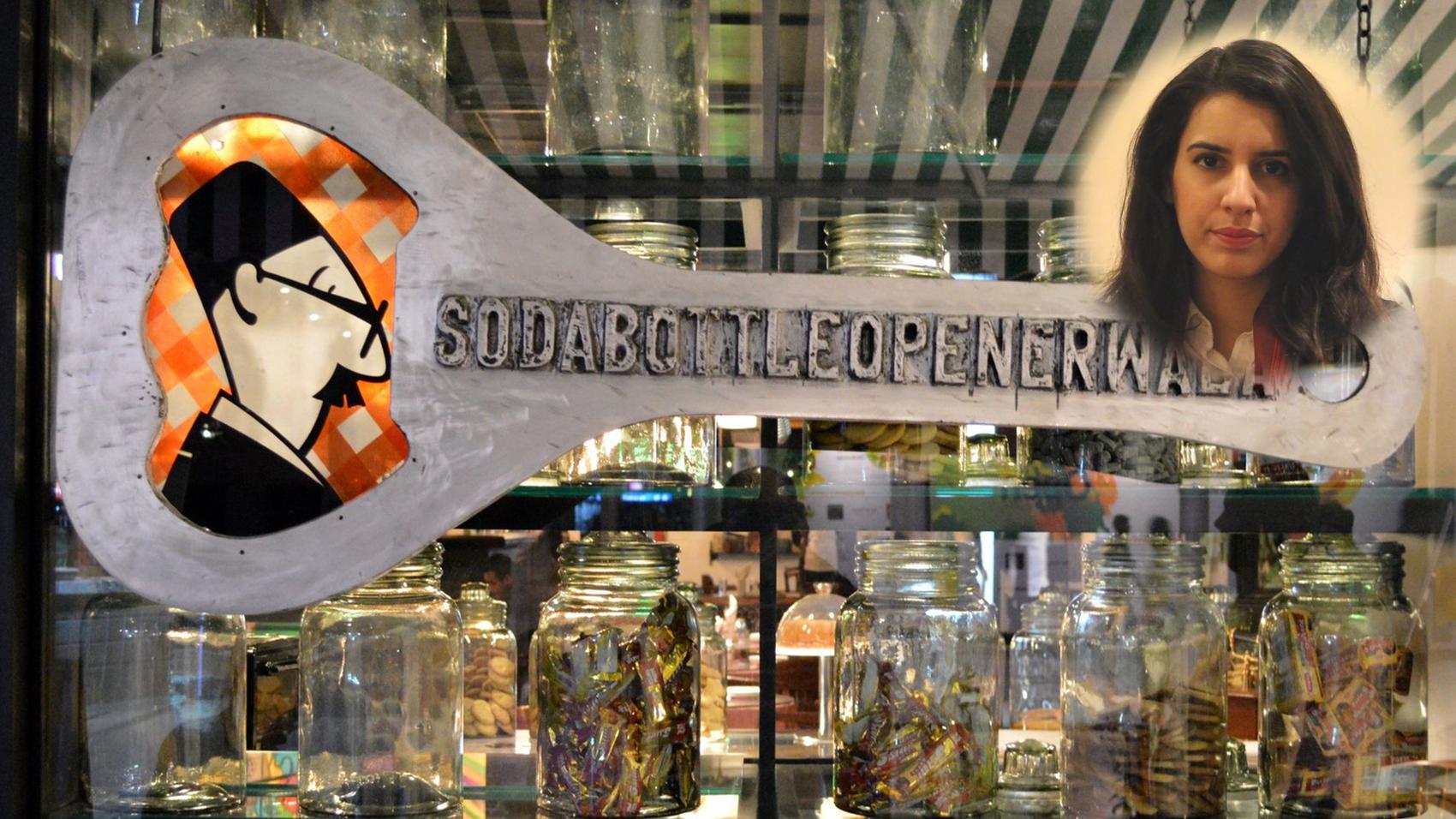
Career in Chef Management
Chef Management
Anahita Dhondy
Chef Manager | Soda Bottle Openerwala
[ 5 years & 4 months Experience ]

A professional cook, typically the chief cook in a restaurant or hotel. Chef Manager manages the entire area of cooking.

"After completing my Schooling from Springdales, Delhi I did my Graduation from IHM, Aurangabad. I went on to do my Masters from Le Cordon Bleu, London. I worked at Taj Man Singh for 1 year and interned with J W Marriot. I also came on Asia's first food truck reality show called Femme Foods. Apart from that I also came on Masterchef as a Judge."


Career Counselling 2.0 Career Counselling 2.0 Career Counselling 2.0 Career Counselling 2.0 Career Counselling 2.0


Career in Professional Cooking
Professional Cooking
Rahul Wali
Executive Chef | Rahul's Kitchen, Dehradun
[ 19 years & 2 months Experience ]

Professional Cooking is basically cooking in a commercial kitchen and producing products which are sold to different range of clienteles. For example: Working in a 5 star hotel, flight kitchen, Cafes, Restaurants.

"After completing diploma in HM from Pune and graduate diploma in Gastronomy, Adelaide, South Australia, I started Working as a Chef. I have worked in multiple hotels in India and abroad. Presently I am running my own Cafe by the name of Rahul’s Kitchen."


Career Counselling 2.0 Career Counselling 2.0 Career Counselling 2.0 Career Counselling 2.0 Career Counselling 2.0


Career in Hotel Management
Hotel Management
Anirudh Riathwan
Director | Samaira Hospitality
[ 5 years Experience ]

Hotel Management is a course which tells one about the basic operations of the hotel industry. During the course, one learns about different departments of the hotel, its functionalities, operations and career prospects.

"I did my Hotel Management from IHM Bhubaneswar and then pursued my Executive MBA from Institute Vatel in France and Masters in Tourism Management from Perpignan University, France. And finally, I launched my own Brand in 2014 called Samaira Hospitality."


Career Counselling 2.0 Career Counselling 2.0 Career Counselling 2.0 Career Counselling 2.0 Career Counselling 2.0


Career in Front Office Operations
Front Office Operations
Aruna Kumari
Senior Front Office Executive | Ramada, Dehardun
[ 7 years & 7 months Experience ]

The front office or reception is an area where visitors arrive and first encounter a staff at a place of business. Front office staff will deal with whatever question the visitor has, and put them in contact with a relevant person at the company. The front office mainly includes roles that affect the revenues of the business.

"I have done Hotel Management from Nalanda Institute, Kolkata. I have worked at Uday Samudra, Turtle On The Beach, Hycinth By Sparsa, Ramada Chennai. I am working as a Senior Front Office Executive at Ramada, Dehradun."


Career Counselling 2.0 Career Counselling 2.0 Career Counselling 2.0 Career Counselling 2.0 Career Counselling 2.0


Career in Culinary Arts
Culinary Arts
Arjit Singha
Chef | The Good Times Company
[ 11 years Experience ]

Culinary arts, in which culinary means "related to cooking", is the art of the preparation, cooking and presentation of food, usually in the form of meals. People working in this field– especially in establishments such as restaurants– are commonly called "Chefs" or "Cooks", although, at its most general, the terms "Culinary Artist" and "Culinarian" are also used. Culinarians are required to have knowledge of food science, nutrition and diet and are responsible for preparing meals that are as pleasing to the eye as well as to the palate.

"After completing my education in food technology and culinary art, I started working for various hotels and organizations. Currently, I am the Chef Entrepreneur at The Good Times Company(food business, catering & events consultancy), Dehradun. I have been working since 2006."


Career Counselling 2.0 Career Counselling 2.0 Career Counselling 2.0 Career Counselling 2.0 Career Counselling 2.0


Career in Hotel Management
Hotel Management
Hemant Kochhar
Director | Madhuban Hotel
[ 24 years Experience ]

Hotel Management is a human industry. Hotel Management includes management of hotel staff, business management, upkeep and sanitary standards of hotel facilities, guest satisfaction and customer service, marketing management, sales management, revenue management, financial accounting, purchasing, and other functions.

"After completing my schooling, I went to Delhi to attain a degree in Hotel Management from IHM Pusa. I opened my first Restaurant in Dehradun at the age of only 13. After that I worked with Le Meridien, The Oberoi, Taj Hotels and Hotel Vasant Continental, New Delhi holding different offices. I then took over my family business of running the Madhuban Hotels. While doing so I also completed several specialized ecourses from Cornell University School of Hotel Administration in different areas of Hotel Management."


Career Counselling 2.0 Career Counselling 2.0 Career Counselling 2.0 Career Counselling 2.0 Career Counselling 2.0


Career in Commercial Cooking
Commercial Cooking
Nishant Lal
Chef | Beacon Cove, Melbourne
[ 8 years Experience ]

Commercial Cooking is different from Culinary Arts. It is cooking to earn money. It should not just be about earning money but also to satisfy the needs of people.

"I started my career as an apprentice chef in Melbourne Racing Club, Melbourne, along with my studies. After that I joined Beacon Cove, Melbourne as a Kitchen Hand, eventually moving up to CDP. I then came back to India and learned about Indian cuisine and ended up as a chef."


Career Counselling 2.0 Career Counselling 2.0 Career Counselling 2.0 Career Counselling 2.0 Career Counselling 2.0


Career in Bartending
Bartending
Kuldeep Chauhan
Bar manager | Ramada, Dehradun
[ 12 years & 7 months Experience ]

A bartender is a person who formulates and serves alcoholic or soft drink beverages behind the bar, usually in a licensed establishment. Bartenders also usually maintain the supplies and inventory for the bar. A bartender can generally mix classic cocktails such as a Cosmopolitan, Manhattan, Old Fashioned, and Mojito.

"I have done PG Diploma in Hotel Management from RIMT. Post that I did a 6 month course in Bartending from Bar Academy, Dehradun. I have worked at Taj View, Chillies, Cibo, Veda. I have designed various bars in Uttarakhand. I am also running a Bartending Academy in Dehradun. I am Bar Manager at Ramada, Dehradun."


Career Counselling 2.0 Career Counselling 2.0 Career Counselling 2.0 Career Counselling 2.0 Career Counselling 2.0


Career in Food And Beverage Operations
Food And Beverage Operations
Sachin Kumar
Food And Beverage Manager | Ramada, Dehradun
[ 11 years & 7 months Experience ]

Foodservice or catering industry defines those businesses, institutions, and companies responsible for any meal prepared outside the home. This industry includes restaurants, school and hospital cafeterias, catering operations, and many other formats.

"I have done Hotel Management from IHM, Hyderabad. I have worked at hotels like Hyatt Regency, Hilton, Princess Cruises- US, Thulhagiri Island Resort- Maldives, Sugar Bay Club, Ramada Chennai. I have worked in 18 countries in total. I am a Food and Beverage Manager at Ramada, Dehradun."


Career Counselling 2.0 Career Counselling 2.0 Career Counselling 2.0 Career Counselling 2.0 Career Counselling 2.0


Career in Housekeeping Operations
Housekeeping Operations
Saurabh Sharma
Executive Housekeeper | Ramada, Dehradun
[ 10 years & 7 months Experience ]

Housekeeping refers to the management of duties and chores involved in the running of a household, such as cleaning, cooking, home maintenance, shopping, laundry and bill pay. These tasks may be performed by any of the household members, or by other persons hired to perform these tasks.

"I did my primary education from Agra, and then went on to do a course in Hotel Management from Ram Institute of Hotel Management. I have been working with Ramada as an Executive Housekeeper."


Career Counselling 2.0 Career Counselling 2.0 Career Counselling 2.0 Career Counselling 2.0 Career Counselling 2.0


Career in Front Office Operations
Front Office Operations
Atul Mamgain
Team Manager | Vana Retreat
[ 5 years & 7 months Experience ]

The front office or reception is an area where visitors arrive and first encounter a staff at a place of business. Front office staff will deal with whatever question the visitor has, and put them in contact with a relevant person at the company. The front office mainly includes roles that affect the revenues of the business.

"I did my schooling from DVPS, Dehradun. I have done my Hotel Management from IHM, Jodhpur. I have worked at Aman Resorts, Delhi and Intercontinental The Lalit, Jaipur. I worked at Vana Retreat, Dehradun from 2013-2016."


Career Counselling 2.0 Career Counselling 2.0 Career Counselling 2.0 Career Counselling 2.0 Career Counselling 2.0


Career in Commercial Cooking
Commercial Cooking
Chain Singh
Head Chef | The Great Indian Pub
[ 15 years Experience ]

Commercial Cooking applies to any operation or business that prepares food for consumption by the public.

"After completing my Schooling from Tehri, I worked with various cafes and restaurants such as Seasons Caters, Gourmet Kitchen, Fast Tuesday etc. I am the Head Chef at The Great Indian Pub, Dehradun."


Career Counselling 2.0 Career Counselling 2.0 Career Counselling 2.0 Career Counselling 2.0 Career Counselling 2.0


Career in Concierge
Concierge
Arvind Bartwal
Concierge | Taj Wellington Mews
[ 2 years & 3 months Experience ]

In hotels or resorts, a concierge assists guests by performing various tasks such as making restaurant reservations, booking hotels, arranging for spa services, recommending night life hot spots, booking transportation (limousines, airplanes, boats, etc.), coordinating porter service (luggage assistance request) etc.

"I did my schooling from Kendriya Vidyalaya, Mumbai then a course in Hotel Management from KIHM Dehradun. I did my internship from Oberoi Hotels and started my career with Vana, Dehradun. Then I joined Taj Hotels as a Concierge."


Career Counselling 2.0 Career Counselling 2.0 Career Counselling 2.0 Career Counselling 2.0 Career Counselling 2.0


Career in Hotel Operations
Hotel Operations
Gursharan Singh
Director Of Operations | Ramada, Dehradun
[ 11 years & 11 months Experience ]

Hotel Operations include front desk management, housekeeping operations, food and beverage management and human resources planning.

"I did B Com from MPG College, Mussoorie. Post that I did a professional course in Hospitality from Frankfinn Institute, Dehradun. I started my career from Club Mahindra, Mussoorie. I have worked at various Hotels like ITC Fortune, JP Group of hotels, Mango Hotels, Royal Orchid. I am working at Ramada as Director of Operations."


Career Counselling 2.0 Career Counselling 2.0 Career Counselling 2.0 Career Counselling 2.0 Career Counselling 2.0


Career in Teaching Hotel Management
Teaching Hotel Management
Aarti Jain
Teacher | IHM Mumbai
[ 2 years Experience ]

Hotel Management includes all the operational and non operational fields such as front office operations, F & B service, Kitchen, Housekeeping, Accounting and so on. Teaching Hotel Management includes training students on all these things.

"After completing my education, I worked with Lalit Hotel as a Hotel Operations Trainee. After that, I worked with Presidency College of Hotel Management and then with the Presidency College of Hotel Management, Bangalore."


Career Counselling 2.0 Career Counselling 2.0 Career Counselling 2.0 Career Counselling 2.0 Career Counselling 2.0


Career in Front Office Operations
Front Office Operations
Kamlesh Deopa
Front Office Manager | Ramada, Dehardun
[ 11 years & 8 months Experience ]

The front office or reception is an area where visitors arrive and first encounter a staff at a place of business. Front office staff will deal with whatever question the visitor has, and put them in contact with a relevant person at the company. The front office mainly includes roles that affect the revenues of the business.

"I have done my graduation from HNB Garhwal University. Post that I have did a Diploma in Hospitality from Air Hostess Academy. I started my career with Club Mahindra, Mussoorie. I have also worked at Taj Hotel, Carlson, Inter-Continental & WHG. I am the Front Office Manager at Ramada, Dehradun."


Career Counselling 2.0 Career Counselling 2.0 Career Counselling 2.0 Career Counselling 2.0 Career Counselling 2.0


Career in General Management
General Management
Prakash Joshi
CEO | Ramada, Dehradun
[ 38 years & 7 months Experience ]

General management usually involves overseeing most or all of the firm's marketing and sales functions as well as the day-to-day operations of the business. A general manager is an executive who has overall responsibility for managing both the revenue and cost elements of a company's income statement.

"I have done BA from DAV PG College. I started my career in hospitality with Taj Mahal, New Delhi. I have worked at Hotel Madhuban for 14 years and at Surbhi Palace Hotel for 19 years. I am working at Ramada, Dehradun as CEO."


Career Counselling 2.0 Career Counselling 2.0 Career Counselling 2.0 Career Counselling 2.0 Career Counselling 2.0


Career in Commercial Culinary Cooking
Commercial Culinary Cooking
Radhika Arora
Owner & Chef | Spicy Herbs
[ 23 years & 4 months Experience ]

Commercial Culinary Cooking applies to any operation or business that prepares food for consumption by the public.

"After doing my Diploma in Culinary Arts I started working with Imperial and ITC Maurya. In 2016 I started my own company Spicy Herbs where I also work as a chef."


Career Counselling 2.0 Career Counselling 2.0 Career Counselling 2.0 Career Counselling 2.0 Career Counselling 2.0


Career in Bartending
Bartending
Varun Sudhakar
Head Operation Beverages | Gourmet Investments Private Limited
[ 10 years & 9 months Experience ]

A Bartender prepares alcohol or non-alcohol beverages for bar and restaurant patrons. Interact with customers, take orders and serve snacks and drinks. Assess customers' needs and preferences and make recommendations. Mix ingredients to prepare cocktails.

"After completing my graduation in Hotel Management, I started working as a Bartender and have worked with brands like Sarovar, Four Seasons & Diageo. I have represented India on International platforms as I have won the Best Indian Bartender for Diageo World class for 2013 & 2014 and I was Diageo's Brand Ambassador for 1 year ."


Career Counselling 2.0 Career Counselling 2.0 Career Counselling 2.0 Career Counselling 2.0 Career Counselling 2.0


Career in Housekeeping
Housekeeping
Seema Chaturvedi
Executive Housekeeper | ITC Maratha, Mumbai
[ 24 years Experience ]

Housekeeping deals with the general upkeep of a Hotel. Housekeeping includes taking care of the aesthetics as well as cleanliness of the entire Hotel. It also includes taking care of things such as the furniture, fittings and fixtures of the Hotel. It has many departments and offices under it. Few of such departments are laundry and horticulture. It is a very safe industry especially for women.

"I did my graduation from Isabella Thoburn College, Lucknow University and my Hotel Management from WMI. I hold the office of the Executive Housekeeper at the ITC Maratha, Mumbai."


Career Counselling 2.0 Career Counselling 2.0 Career Counselling 2.0 Career Counselling 2.0 Career Counselling 2.0


Career in Housekeeping Operations
Housekeeping Operations
Rahul Kumar Rajput
Assistant Manager | Hotel Boulevard
[ 7 years Experience ]

Housekeeping is an operational department in a hotel, which is responsible for cleanliness, maintenance, aesthetic upkeep of rooms, public area, back area and surroundings. A hotel survives on the sale of room, food, beverages and other minor services such as the laundry, health club spa and so on

"After completing my Schooling from Bijnor, I did my Graduation from FCI Institute of Hotel Management, Dehradun. I worked at Inderlok as a Trainee Supervisor. I am an Assistant Manager at Hotel Boulevard."


Career Counselling 2.0 Career Counselling 2.0 Career Counselling 2.0 Career Counselling 2.0 Career Counselling 2.0


Career in Food and Beverage Operations
Food and Beverage Operations
Rohan Singh
Assistant Manager | ITC Hotel, Hyderabad
[ 7 years & 5 months Experience ]

Food and Beverage Service operations involve a multitude of activities which engage the staff right from purchasing raw material, preparing food and beverage, keeping the inventory of material, maintaining service quality continuously, managing various catered events, and most importantly, analyzing the business

"After doing my schooling, I pursued my bachelors in Tourism Industry from ITC Hospitality Management Institute. I have worked for various Hotels like ITC Maurya, WH Sheraton, ITC Grand Bharat and ITC Kakatiya."


Career Counselling 2.0 Career Counselling 2.0 Career Counselling 2.0 Career Counselling 2.0 Career Counselling 2.0


Career in Professional Cooking
Professional Cooking
Pawan Kukreja
Executive Chef | Ramada, Dehardun
[ 12 years & 11 months Experience ]

Cooking is the art, technology and craft of preparing food for consumption with or without the use of heat. The ways or types of cooking also depend on the skill and type of training an individual cook has. Cooking is done both by people in their own dwellings and by professional cooks and chefs in restaurants and other food establishments

"I have done B Sc in Hospitality & Hotel Administration from IHMCT&AN, Chennai. I started my career as a chef with Inter-Continental-The Grand, New Delhi and then Mumbai. I have worked with hotels like Lalit Resort & Spa, One and Only Royal Mirage, The Orchid, Radisson Blue. I am working as an Executive Chef at Ramada, Dehradun."


Career Counselling 2.0 Career Counselling 2.0 Career Counselling 2.0 Career Counselling 2.0 Career Counselling 2.0


Career in Hotel Management
Hotel Management
Bharat Arora
General Manager | Holy River Hotel
[ 14 years & 1 month Experience ]

Hotel Management includes managing the operation of a hotel, motel, resort, or other lodging-related establishment. Management of a hotel operation includes management of hotel staff, business management, upkeep and sanitary standards of hotel facilities, guest satisfaction and customer service, marketing management, sales management, revenue management, financial accounting, purchasing, and other functions.

"I did a degree in Hotel Management from IHM, Gurdaspur followed by a training programme at the Oberoi Hotel Cecil in Shimla as a bartender. I then moved to the Westin Sohna Resort & Spa where I worked as a Pool Bar Attendant. Then, I moved to Maldives where I managed the operations of six restaurants. After returning to India, I worked as a Hotel Manager at the Dewa Retreat. I am currently working as a General Manager at Holy River Hotel in Rishikesh."


Career Counselling 2.0 Career Counselling 2.0 Career Counselling 2.0 Career Counselling 2.0 Career Counselling 2.0


Career in Fruit & Vegetable Carving
Fruit & Vegetable Carving
Dhiraj Mehta
HOD Food Production | Shri Ram Institute of Hotel Management
[ 19 years & 1 month Experience ]

Fruit or Vegetable carving is the art of carving fruits and vegetables to form beautiful objects, such as flowers or birds. The purpose of fruit and vegetable carving is to make food more attractive, more appetizing, and also easier to eat.

"I have done Diploma in Hotel Management from GIHM, Dehradun and Masters in Hotel Management from Uttarakhand Open University. Post that, I did Industrial & Vocational Training from Centaur Hotel & ITDC Ashok. I worked at Hotels like The Maya in Jalandhar and Jaypee Palace Hotel. I then did an Advanced Diploma in European Cuisine from Indus Institute of Hospitality, Chennai. Post that, I worked for Carnival Cruise Line on Live counters. I taught at Kukreja Institute of Hotel Management as Professor. I am HOD Food Production at Shri Ram Institute of Hotel Management."


Career Counselling 2.0 Career Counselling 2.0 Career Counselling 2.0 Career Counselling 2.0 Career Counselling 2.0


Career in Food Court Management
Food Court Management
Rajeev Chaurasia
Operations Manager | Pacific Mall
[ 18 years & 5 months Experience ]

Food court management includes all the services and the maintenance of the quality of the food which is provided to the customers. Food court management also includes the management of the hygiene and sanitation of the kitchen area as well as the food court.

"After completing my Diploma course in Hotel Management, I worked with various Restaurants and Five Star Hotels. I am managing Pacific Mall Food Court, Dehradun since 2013."


Career Counselling 2.0 Career Counselling 2.0 Career Counselling 2.0 Career Counselling 2.0 Career Counselling 2.0


Career in Food Styling
Food Styling
Indranie Dasgupta
Food Stylist | Self Employed
[ 26 years & 9 months Experience ]

Food styling is the art of arranging food so that it looks tasty and fresh. This is important in a number of situations, particularly when the food is being photographed. For instance, the pictures of food that you see in cook books, magazines, advertisements, and menus have been styled.

"I was always interested in Food and Home Science, therefore took this profession full time and quit my teaching and started as a Food Stylist and have been working for almost 27 years in this field."


Career Counselling 2.0 Career Counselling 2.0 Career Counselling 2.0 Career Counselling 2.0 Career Counselling 2.0


Career in Food Quality Control
Food Quality Control
Mohit Jayant
Head | Pizza Hut & Domino's
[ 14 years & 1 month Experience ]

A Restaurant Operations Evaluator is involved with the food quality control in a restaurant or cafe. It starts with receiving ingredients, involves checking the quality of raw materials and finally ensuring the delivery of a quality product.

"I did my Schooling from St Josheph's Academy, Dehradun. I then did Hotel Management for Graduation from IHM, Lucknow. I helped open Domino's in 2000 and Pizza Hut in 2004 in Dehradun and was the Operations Head there. After which I worked in Nirula's in Delhi for one year and then Future Value retail from 2011-2014. Following which I was at Sabbarro Pizzas from 2014-2016."


Career Counselling 2.0 Career Counselling 2.0 Career Counselling 2.0 Career Counselling 2.0 Career Counselling 2.0


Career in Food Quality Control
Food Quality Control
Adarsha Kumar P K
Quality Engineer | The Akshaya Patra Foundation
[ 5 years & 4 months Experience ]

Food Quality Control is the control of quality characteristics of food that is acceptable to consumers. This includes external factors as appearance (size, shape, colour, gloss, and consistency), texture, and flavour; factors such as federal grade standards (e.g. of eggs) and internal (chemical, physical, microbial).

"After completing my B Tech in Food Science & Technology from University of Agricultural Sciences, Hassan in 2013, I joined Garden City Beverages in Bangalore as Quality Control Engineer. After two years I moved to Akshay Patra Foundation where I continue to work as a Quality Engineer."


Career Counselling 2.0 Career Counselling 2.0 Career Counselling 2.0 Career Counselling 2.0 Career Counselling 2.0


Career in Flair Bartending
Flair Bartending
Piyush Bora
Flair Bartender | Bar Academy of Doon
[ 3 years & 1 month Experience ]

Flair bartending is the practice of bartenders entertaining guests, clientele or audiences with the manipulation of bar tools (e.g. cocktail shakers) and liquor bottles in tricky, dazzling ways.

"I was born and brought up in khatima and did my schooling from the same place. In 2016, I came to Dehradun and joined Bar Academy of Doon and since then I am working as a flair bartender."


Career Counselling 2.0 Career Counselling 2.0 Career Counselling 2.0 Career Counselling 2.0 Career Counselling 2.0


Career in Chef Management
Chef Management
Anubhav Gurung
Owner | Fat Plate Cafe, Manali
[ 7 years & 6 months Experience ]

A professional cook, typically the chief cook in a restaurant or hotel.

"I did my BA (H) in Culinary Art from Institutue of Hotel Management, Aurangabad. In 2011, I started my Catering Company in Chandigarh and thereafter in 2013 I started my own Restaurant by the name of Fat Plate Cafe in Manali."


Career Counselling 2.0 Career Counselling 2.0 Career Counselling 2.0 Career Counselling 2.0 Career Counselling 2.0


Career in Kitchen Management
Kitchen Management
Kaushiki
Chef | Oberoi Hotels
[ 4 years & 3 months Experience ]

A kitchen manager is responsible for the overall operations for the back of house and kitchen area of a restaurant. Kitchen managers hire staff, purchase food and stock, and make sure everyone is trained on proper food preparation and kitchen safety techniques.

"After my tourism studies from IGNOU and Diploma in Kitchen Management from OCLD (Oberoi Centre of Learning & Development). I started my career with Oberoi Raj Villas in Jaipur. Later through Oberoi I got shifted to OCLD in Delhi for Management Training Programme."


Career Counselling 2.0 Career Counselling 2.0 Career Counselling 2.0 Career Counselling 2.0 Career Counselling 2.0


[Install the LifePage App to access all Talks]


<?php echo $altimage; ?>


<?php echo $altimage; ?>


&mbsp;


Career Counselling 2.0 | Home   Home  
Career Counselling 2.0 | Abroad   Abroad  
Career Counselling 2.0 | Plan   Plan  
Career Counselling 2.0 | Talks   Talks  
Career Counselling 2.0 | Philosophy   Philosophy  
Career Counselling 2.0 | Seminar   Seminar  
Career Counselling 2.0 | Workshop   Workshop  
Career Counselling 2.0 | Pages   Pages  
Career Counselling 2.0 | Advisors   Advisors  
Career Counselling 2.0 | Discuss   Discuss  
Career Counselling 2.0 | Meet   Meet  
Career Counselling 2.0 | Advisor   Advisor  
Career Counselling 2.0 | Story   Story  
Career Counselling 2.0 | Fine Print   Fine Print  
Career Counselling 2.0 | Links   Links  
Career Counselling 2.0 | Blog   Blog  
Career Counselling 2.0 | Testimonials   Testimonials  
Career Counselling 2.0 | Follow   Follow  
 
[ Site Visits ]


Career Counselling 2.0