Career Counselling 2.0 HomeHomeCareer Counselling 2.0 AbroadAbroadCareer Counselling 2.0 PlanPlanCareer Counselling 2.0 | TalksTalksCareer Counselling 2.0 PhilosophyPhilosophyCareer Counselling 2.0 SeminarSeminarCareer Counselling 2.0 PagesPagesCareer Counselling 2.0 AdvisorsAdvisorsCareer Counselling 2.0 TestimonialsTestimonials

Teaching Hotel Management

Teacher Aarti Jain talks about Teaching Hotel Management course, what is Teaching Hotel Management and other details about a Career in Teaching Hotel Management.


Teaching Hotel Management

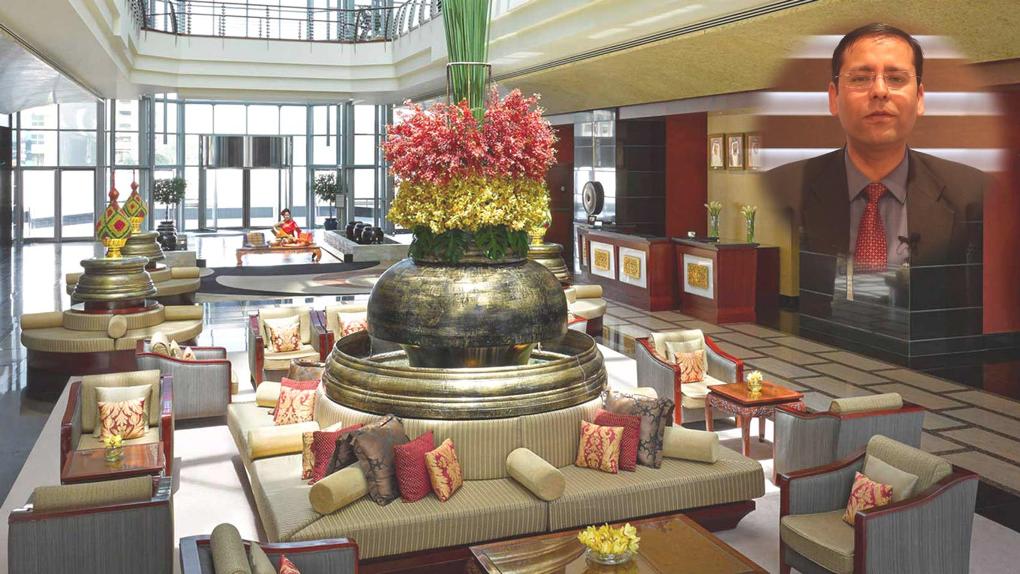
Aarti Jain | Teacher | IHM Mumbai


What is Teaching Hotel Management?


There are many nuances of a Career in Teaching Hotel Management. One should first understand What a Career in Teaching Hotel Management entails before investing time and effort to figure out How to start a Career in Teaching Hotel Management. It is best to learn about Teaching Hotel Management from a real professional, this is akin to getting it from the horse's mouth.

Teacher Aarti Jain is an experienced professional with 2 years in Teaching Hotel Management. Teacher Aarti Jain outlines Teaching Hotel Management as:

Hotel Management includes all the operational and non operational fields such as front office operations, F & B service, Kitchen, Housekeeping, Accounting and so on. Teaching Hotel Management includes training students on all these things.


How Teacher Aarti Jain got into Teaching Hotel Management?


After completing my education, I worked with Lalit Hotel as a Hotel Operations Trainee. After that, I worked with Presidency College of Hotel Management and then with the Presidency College of Hotel Management, Bangalore.


Teacher Aarti Jain's Talk on Teaching Hotel Management


Session Image
The Journey of Teaching Hotel Management


What Is Teaching Hotel Management


Teaching Hotel Management

### Teaching Hotel Management Image
What is
Teaching Hotel Management involves educating students and professionals in the principles, practices, and operations of the hospitality industry, with a focus on hotel administration. It combines theoretical instruction with practical training to prepare individuals for diverse roles in hotel management, including leadership, customer service, and operational efficiency.

Concept
Teaching Hotel Management plays a crucial role in shaping the future workforce of the hospitality industry. By imparting both foundational knowledge and hands-on skills, educators help students become competent professionals capable of meeting industry demands. This field fosters innovation by introducing the latest trends and technologies in hospitality, ensuring graduates remain competitive. It also enhances the reputation of educational institutions by producing industry-ready talent. Furthermore, teaching hotel management contributes to the overall quality and standards of service in hotels, as well-trained professionals are better equipped to deliver exceptional guest experiences, manage teams effectively, and adapt to the evolving needs of the global hospitality market.

Real World Example
A professional teaching hotel management might design and deliver a course on front office operations at a university or specialized hospitality school. In this setting, the instructor combines classroom lectures on reservation systems, guest relations, and revenue management with simulated hotel scenarios and internships at local hotels. Students gain practical experience by rotating through different departments, such as housekeeping, food and beverage, and guest services, under the guidance of their instructor. The educator evaluates student performance, provides feedback, and adapts teaching methods to address real-world challenges faced by hotels. Through this immersive approach, students graduate with both the theoretical understanding and practical skills necessary to excel in hotel management roles.

Education


Technical Concepts

### Technical Concepts Image
What is
Technical Concepts refer to the specialized knowledge, principles, and procedures that underpin the operational and managerial aspects of the hospitality industry. In Teaching Hotel Management, these concepts form the backbone of both academic instruction and practical training, ensuring that educators and students alike possess a comprehensive understanding of industry standards, technologies, and best practices.

Concept
Understanding Technical Concepts is essential for anyone preparing for or working in Teaching Hotel Management because it equips professionals with the tools needed to navigate the complexities of modern hospitality operations. Mastery of these concepts enables educators to deliver accurate, up-to-date instruction, bridging the gap between theory and practice. This foundational knowledge supports curriculum development, fosters critical thinking, and enhances problem-solving abilities. Over time, a strong grasp of technical concepts ensures that professionals remain adaptable to technological advancements and evolving industry trends, making them valuable assets in both academic and operational settings. Ultimately, this expertise not only improves teaching effectiveness but also prepares students for successful careers in hotel management.

Real World Example
Imagine a teaching hotel manager overseeing a student-run front desk operation. By applying their understanding of technical concepts such as property management systems, reservation protocols, and guest service standards, the manager can guide students through real-time problem-solving scenarios. For instance, when a system error disrupts the check-in process, the manager demonstrates troubleshooting techniques, explains the underlying technology, and ensures service continuity. This hands-on application of technical knowledge not only resolves immediate operational challenges but also reinforces classroom learning, illustrating how theoretical concepts translate into effective, real-world hospitality management. Through such experiences, both educators and students gain confidence in handling complex situations, ultimately elevating the quality of service and instruction.

Psychology of Students

### Psychology of Students Image
What is
Psychology of Students is the study of how learners think, feel, and behave within educational environments. It explores motivation, learning styles, emotional needs, and social dynamics. For Teaching Hotel Management, understanding this field is essential to effectively engage, inspire, and support students in acquiring both theoretical knowledge and practical hospitality skills.

Concept
Grasping the psychology of students is crucial for anyone preparing to teach hotel management because it enables educators to tailor their teaching strategies to diverse learning needs. By understanding what motivates students, how they process information, and the challenges they face, teachers can create more inclusive and effective learning environments. This foundational knowledge not only enhances classroom engagement but also helps in managing group dynamics, addressing conflicts, and fostering a positive atmosphere conducive to learning. Over the long term, educators who master these concepts are better equipped to mentor future hospitality professionals, adapt to changing student demographics, and contribute to higher student satisfaction and success rates in the field.

Real World Example
Imagine a hotel management instructor noticing that some students are disengaged during practical kitchen sessions. Drawing on their understanding of student psychology, the instructor recognizes that anxiety and fear of making mistakes may be hindering participation. Instead of reprimanding the students, the instructor introduces collaborative group tasks and positive reinforcement, creating a supportive environment where students feel safe to experiment and learn from errors. This approach not only boosts confidence but also encourages active participation, leading to improved skill acquisition and a more cohesive class dynamic. By applying psychological insights, the instructor effectively addresses underlying issues, resulting in better educational outcomes and a more positive learning experience for all students.

Management

### Management Image
What is
Management is the process of planning, organizing, leading, and controlling resources—human, financial, and material—to achieve organizational goals efficiently and effectively. In Teaching Hotel Management, management forms a cornerstone of both academic study and professional practice, equipping individuals with the skills to oversee complex hospitality operations and guide future industry leaders.

Concept
Understanding management is essential for anyone entering or advancing in the field of Teaching Hotel Management because it underpins every aspect of hospitality operations. Mastery of management principles enables professionals to coordinate teams, allocate resources, and implement strategies that drive guest satisfaction and business success. This subject provides a framework for decision-making, problem-solving, and leadership, all of which are critical in the fast-paced and service-oriented environment of hotels. Over time, a strong foundation in management not only enhances operational efficiency but also supports career progression, as those who demonstrate managerial competence are often entrusted with greater responsibilities and leadership roles within educational and hospitality institutions.

Real World Example
Consider a scenario where a Teaching Hotel Management instructor oversees a student-run hotel training facility. Each day, the instructor applies management theories by delegating tasks, setting performance standards, and monitoring guest feedback. When a sudden influx of guests occurs, the instructor must quickly reorganize staff schedules, ensure adequate inventory, and maintain service quality. By drawing on their management knowledge, the instructor guides students through effective communication, conflict resolution, and resource allocation. This hands-on application not only ensures smooth hotel operations but also provides students with a living example of how management principles translate into real-world hospitality success.

Industry & Contemporary

### Industry & Contemporary Image
What is
"Industry & Contemporary" refers to the study of current trends, practices, and challenges within the hospitality sector, with a focus on how global and local developments shape hotel management. This subject bridges theoretical frameworks with real-time industry shifts, making it essential for those teaching or preparing to teach hotel management courses.

Concept
Understanding Industry & Contemporary is crucial for anyone involved in teaching hotel management because it ensures that both educators and students remain aligned with the latest industry standards and expectations. This subject provides a comprehensive overview of evolving guest preferences, technological advancements, sustainability practices, and regulatory changes. By mastering these concepts, professionals can design curricula that are both relevant and forward-thinking, preparing students to meet the demands of a dynamic industry. Long-term, this knowledge fosters adaptability and innovation, enabling educators to guide future hotel managers in navigating complex, ever-changing environments. It also enhances credibility and employability, as employers and academic institutions value instructors who can integrate contemporary insights into their teaching.

Real World Example
Consider a teaching hotel manager who is responsible for both academic instruction and operational oversight. By applying their understanding of Industry & Contemporary, they might introduce students to the latest digital check-in technologies or eco-friendly housekeeping practices, reflecting current industry trends. During daily operations, this professional can lead discussions on how global events, such as a pandemic or shifts in tourism patterns, impact hotel occupancy and service delivery. Their ability to connect theoretical knowledge with practical, up-to-date examples not only enriches the learning experience but also prepares students to respond effectively to real-world challenges. This approach ensures that graduates are industry-ready and capable of adapting to future changes.

Skills


Presentation Skills

### Presentation Skills Image
What is
Presentation skills refer to the ability to effectively communicate information, ideas, or concepts to an audience using clear speech, engaging visuals, and confident body language. In Teaching Hotel Management, these skills are vital for delivering complex hospitality concepts, engaging students, and ensuring that learning objectives are met with clarity and enthusiasm.

Concept
Mastering presentation skills directly enhances a teaching professional’s ability to convey information in an engaging and memorable way. This leads to improved student comprehension, higher engagement levels, and a more dynamic classroom environment. Employers and clients value educators who can present material clearly because it reflects well on the institution and ensures that students are well-prepared for industry challenges. To cultivate presentation skills, professionals should seek regular practice, solicit feedback from peers and students, and stay updated with new teaching technologies and methods. Over time, consistent effort and reflection help educators refine their delivery, adapt to diverse audiences, and build confidence in public speaking.

Real World Example
Imagine a Teaching Hotel Management professional tasked with instructing a group of international students on crisis management in hospitality. During a simulated emergency scenario, the instructor uses strong presentation skills to clearly outline procedures, maintain student focus, and facilitate interactive discussions. By confidently guiding the session, adapting explanations to varying language proficiencies, and using visual aids, the instructor ensures that all students understand the critical steps involved. This effective communication not only helps students grasp essential safety protocols but also builds their confidence to handle real-life situations, ultimately contributing to their future success in the hospitality industry.

Behavioral Skills

### Behavioral Skills Image
What is
Behavioral skills encompass the interpersonal, emotional, and social abilities that enable individuals to interact effectively with others, manage their own behavior, and adapt to various situations. In Teaching Hotel Management, these skills are vital for fostering positive learning environments, resolving conflicts, and modeling professional conduct for future hospitality leaders.

Concept
Behavioral skills directly enhance performance in Teaching Hotel Management by enabling educators to communicate clearly, empathize with students, and respond constructively to challenges. Clients and employers highly value these abilities because they lead to better classroom management, higher student engagement, and a more collaborative learning atmosphere. Cultivating behavioral skills involves continuous self-reflection, seeking feedback, and practicing active listening and emotional regulation. Over time, professionals can refine these competencies by participating in workshops, observing experienced colleagues, and embracing diverse perspectives. The ongoing development of behavioral skills not only improves teaching effectiveness but also prepares students to excel in the dynamic hospitality industry.

Real World Example
Imagine a Teaching Hotel Management instructor facing a classroom dispute between students from different cultural backgrounds. By employing strong behavioral skills, the instructor listens attentively to each perspective, demonstrates empathy, and facilitates a respectful dialogue. Through calm mediation and clear communication, the instructor helps students understand each other’s viewpoints and find common ground. This approach not only resolves the immediate conflict but also models essential hospitality values such as respect, inclusivity, and professionalism. As a result, the learning environment becomes more harmonious, and students gain practical experience in handling real-world challenges they may encounter in their future hotel management careers.

Communication

### Communication Image
What is
Communication is the process of exchanging information, ideas, and feelings through speaking, writing, or non-verbal signals to achieve mutual understanding. In Teaching Hotel Management, communication enables professionals to convey complex concepts, coordinate teams, and foster positive relationships with students, colleagues, and industry partners, making it indispensable for effective instruction and leadership.

Concept
Strong communication skills directly enhance a Teaching Hotel Management professional’s ability to deliver clear instructions, provide constructive feedback, and create engaging learning environments. Clients and employers highly value this skill because it ensures that information is accurately shared, misunderstandings are minimized, and collaborative efforts are successful. Effective communication also builds trust and rapport, both in the classroom and with industry stakeholders. To cultivate this skill, professionals should seek opportunities for public speaking, actively listen to others, and solicit feedback on their communication style. Over time, consistent practice, reflection, and adaptation to diverse audiences help refine one’s ability to communicate with clarity, empathy, and confidence.

Real World Example
Imagine a Teaching Hotel Management instructor overseeing a student-run event where a miscommunication leads to a scheduling conflict between the kitchen and front-of-house teams. The instructor quickly gathers both groups, listens to their concerns, and facilitates an open discussion to clarify expectations and responsibilities. By articulating the importance of teamwork and ensuring everyone understands the revised plan, the instructor resolves the conflict and the event proceeds smoothly. This scenario highlights how effective communication not only addresses immediate challenges but also models professional behavior, reinforces learning, and contributes to the overall success of both the students and the event.

Team Work

### Team Work Image
What is
Team Work is the collaborative effort of a group to achieve a common goal or complete a task in the most effective and efficient way. It involves communication, mutual support, and the sharing of responsibilities. In Teaching Hotel Management, Team Work is vital for delivering seamless service and fostering a positive learning environment.

Concept
Team Work significantly enhances performance in Teaching Hotel Management by enabling professionals to coordinate complex tasks, share expertise, and address challenges collectively. Clients and employers highly value this skill because it leads to improved guest satisfaction, efficient operations, and a supportive workplace culture. Team Work also encourages innovation, as diverse perspectives contribute to creative problem-solving. To cultivate this skill, individuals should actively participate in group projects, seek feedback, and practice open communication. Over time, consistent collaboration and a willingness to learn from others help professionals build trust and adaptability, making them indispensable members of any hospitality education team.

Real World Example
Imagine a situation where a major event is scheduled at a teaching hotel, and a sudden staff shortage threatens to disrupt service. The Teaching Hotel Management professional quickly assembles a team of instructors, students, and support staff to redistribute responsibilities. Through clear communication and mutual support, the team adapts to the new roles, ensuring that all event functions—from guest check-in to catering—run smoothly. By relying on Team Work, the group not only overcomes the immediate crisis but also demonstrates resilience and unity, reinforcing the importance of collaboration in achieving both educational and operational success. This experience strengthens the team’s ability to handle future challenges together.

Counselling Skills

### Counselling Skills Image
What is
Counselling skills refer to the ability to actively listen, empathize, provide guidance, and support individuals in resolving personal or professional challenges. In Teaching Hotel Management, these skills enable educators to understand students' needs, foster trust, and create a supportive learning environment, ultimately enhancing both academic and personal development.

Concept
Counselling skills significantly enhance a Teaching Hotel Management professional’s effectiveness by enabling them to address students’ concerns, mediate conflicts, and guide learners through academic or career-related challenges. Employers and clients value these skills because they contribute to higher student satisfaction, improved retention rates, and a positive institutional reputation. To cultivate counselling skills, professionals should engage in reflective practice, seek feedback, and participate in relevant training or workshops. Over time, consistent application and a genuine interest in student well-being help educators refine their ability to listen, empathize, and respond constructively, making them more approachable and effective in their roles.

Real World Example
Imagine a scenario where a group of hotel management students is struggling with the pressure of an upcoming practical examination. One student, in particular, is showing signs of anxiety and withdrawal. A teaching professional with strong counselling skills notices these changes and initiates a private conversation, using active listening and empathy to understand the student’s concerns. By providing reassurance, practical advice, and emotional support, the educator helps the student regain confidence and develop coping strategies. As a result, the student not only performs better in the examination but also feels more connected to the learning environment, demonstrating how counselling skills can directly influence student success and well-being.

Positives


Job Satisfaction

### Job Satisfaction Image
What is
Job satisfaction is the sense of fulfillment, pride, and contentment individuals feel when their work aligns with their values, skills, and aspirations, and when they see meaningful results from their efforts. In teaching hotel management, job satisfaction arises from shaping future hospitality leaders, fostering growth, and witnessing students’ personal and professional development.

Concept
Job satisfaction is a cornerstone of a thriving career in teaching hotel management because it fuels motivation, engagement, and a sense of purpose. When educators see their students succeed, whether mastering a new skill or securing a coveted internship, it validates their efforts and expertise. This ongoing cycle of positive reinforcement not only enhances personal well-being but also encourages continuous professional growth. Teachers in this field often find themselves inspired by the dynamic nature of the hospitality industry and the diverse backgrounds of their students. The daily interactions, problem-solving opportunities, and the ability to make a tangible difference in students’ lives contribute to a deeply rewarding professional experience.

Real World Example
Imagine a teaching hotel management professional guiding a group of students through a complex event planning project. Over several weeks, the students struggle with logistics and teamwork, but with encouragement and expert advice, they gradually overcome their challenges. On the day of the event, everything runs smoothly, and the students beam with pride at their accomplishment. The educator witnesses firsthand the transformation from uncertainty to confidence, knowing their mentorship played a crucial role. This moment of shared success brings immense job satisfaction, as the teacher realizes they have not only imparted knowledge but also inspired future hospitality professionals to believe in their abilities and strive for excellence.

Respect

### Respect Image
What is
Respect is the genuine acknowledgment of one’s expertise, dedication, and character by peers, students, and the broader community. It involves valuing opinions, recognizing achievements, and treating individuals with dignity. In Teaching Hotel Management, respect fosters a positive environment, enhances collaboration, and motivates professionals to continually strive for excellence and personal growth.

Concept
Respect is a cornerstone of fulfillment in Teaching Hotel Management, as it validates the educator’s knowledge and commitment to shaping future hospitality leaders. When professionals feel respected by students, colleagues, and industry partners, their confidence and enthusiasm for teaching are amplified. This positive atmosphere encourages open communication, innovation, and a willingness to share best practices. As respect is reciprocated, it creates a supportive network that nurtures professional development and personal satisfaction. The daily experience of being valued not only boosts morale but also inspires educators to invest wholeheartedly in their work, knowing their contributions are meaningful and appreciated. Ultimately, respect elevates the teaching experience, making it both impactful and deeply rewarding.

Real World Example
Imagine a Teaching Hotel Management professional guiding a group of students through a complex hospitality project. The students listen attentively, seek advice, and express gratitude for the instructor’s insights. Colleagues frequently consult this educator for guidance, acknowledging their expertise and innovative ideas. After a successful industry collaboration, hotel partners commend the educator’s leadership and mentorship. This ongoing recognition and appreciation from students, peers, and industry professionals reinforce the educator’s sense of purpose and pride. The respect received not only validates their hard work but also fuels their passion for teaching, making every challenge worthwhile and every achievement more meaningful. This daily experience of respect transforms the profession into a truly fulfilling career.

Networking

### Networking Image
What is
Networking is the process of building and nurturing professional relationships that facilitate the exchange of knowledge, opportunities, and support within a specific field. In Teaching Hotel Management, networking connects educators, industry professionals, and students, fostering collaboration, sharing best practices, and opening doors to new experiences that enrich both teaching and learning.

Concept
The power of networking in Teaching Hotel Management lies in its ability to create a vibrant, interconnected community. Educators who actively engage with peers and industry leaders gain access to the latest trends, innovative teaching methods, and real-world insights. This continuous flow of information not only enhances their expertise but also keeps their curriculum relevant and engaging. Networking often leads to collaborative projects, guest lectures, and internships for students, which significantly boosts job satisfaction for teachers who see their students thrive. The daily interactions and shared successes within this network foster a sense of belonging and professional growth, making the teaching journey more dynamic and fulfilling.

Real World Example
Imagine a Teaching Hotel Management professional who attends an international hospitality conference. There, she connects with hotel executives, fellow educators, and alumni working in the industry. Through these conversations, she learns about emerging sustainability practices and arranges for a renowned hotel manager to deliver a guest lecture at her institution. Inspired by these new connections, she collaborates with a colleague from another country to develop a cross-cultural training module for her students. As a result, her students gain access to global perspectives and internship opportunities, while she experiences the satisfaction of seeing her network directly benefit her classroom and her own professional development.

Continuous Learning

### Continuous Learning Image
What is
Continuous Learning is the ongoing process of acquiring new knowledge, skills, and insights throughout one’s career, adapting to changes, and embracing innovation. In Teaching Hotel Management, this approach ensures educators stay current with industry trends, technologies, and best practices, fostering personal growth and enhancing the educational experience for their students.

Concept
Continuous Learning is a cornerstone of satisfaction and advancement in Teaching Hotel Management. The hospitality industry evolves rapidly, with new service standards, technologies, and guest expectations emerging regularly. Educators who embrace lifelong learning not only keep their curriculum relevant but also inspire students with up-to-date knowledge and enthusiasm. This dynamic environment prevents stagnation, making each day unique and intellectually stimulating. As professionals expand their expertise, they become more confident and adaptable, opening doors to career progression and leadership opportunities. The sense of achievement that comes from mastering new concepts and sharing them with eager learners creates a fulfilling cycle of growth, motivation, and professional pride.

Real World Example
Imagine a Teaching Hotel Management professional attending an international hospitality conference, where they discover the latest trends in sustainable hotel operations and digital guest experiences. Energized by these insights, they return to their classroom and redesign a module to include hands-on projects about eco-friendly practices and smart technology integration. As students engage with these contemporary topics, the educator witnesses their excitement and curiosity grow. This real-time application of new knowledge not only enriches the students’ learning but also reinforces the educator’s passion for the field. The experience exemplifies how Continuous Learning transforms both teaching and personal fulfillment, making every day in the profession meaningful and rewarding.

Personal Time

### Personal Time Image
What is
Personal Time refers to the dedicated hours outside of professional responsibilities that individuals can use for rest, hobbies, family, or personal growth. In Teaching Hotel Management, this means educators have structured schedules, allowing them to recharge, pursue passions, and maintain a healthy work-life balance, which enhances overall well-being and effectiveness.

Concept
The presence of Personal Time in a Teaching Hotel Management career is a significant advantage because it fosters a sense of autonomy and balance. Unlike many hospitality roles that demand long, irregular hours, teaching professionals often benefit from predictable schedules and academic calendars. This consistency allows them to plan vacations, invest in personal development, and nurture relationships, all of which contribute to higher job satisfaction. The ability to step away from work and return refreshed leads to greater creativity, patience, and enthusiasm in the classroom. Over time, this positive cycle not only supports professional growth but also helps educators become inspiring mentors, as they model a balanced lifestyle for their students.

Real World Example
Imagine a Teaching Hotel Management professional who finishes classes and administrative duties by late afternoon. With evenings and weekends free, she spends quality time with her family, pursues culinary hobbies, and attends local hospitality events. This personal time allows her to stay connected with industry trends and maintain her passion for teaching. When she returns to the classroom, she brings fresh insights and renewed energy, which her students notice and appreciate. The balance she achieves between her career and personal life not only enriches her own experience but also sets a powerful example for students aspiring to enter the hospitality industry, demonstrating that success and well-being can go hand in hand.

Challenges


24/7 Job

### 24/7 Job Image
What is
A "24/7 Job" in Teaching Hotel Management refers to the constant, round-the-clock responsibilities that extend beyond traditional working hours. Educators must balance classroom instruction, student mentorship, and hands-on supervision in operational hotel settings, often responding to emergencies or student needs at any hour, making the role exceptionally demanding.

Concept
The relentless nature of a 24/7 job in Teaching Hotel Management can blur the boundaries between personal and professional life, leading to fatigue and stress. Daily work is affected as educators juggle lesson planning, administrative duties, and real-time problem-solving in a dynamic environment. This constant engagement requires significant resilience, adaptability, and time management skills. Successful professionals navigate these challenges by setting clear boundaries, prioritizing tasks, and leveraging support from colleagues. They also cultivate self-care routines and delegate responsibilities when possible, ensuring that their commitment to students and operational excellence does not come at the expense of their own well-being.

Real World Example
Consider a hotel management instructor who oversees a student-run hotel. When a guest issue arises late at night, the instructor is contacted for guidance. Instead of handling every detail personally, the instructor empowers senior students to manage the situation, providing support remotely and stepping in only if necessary. By fostering a culture of responsibility and trust among students, the instructor reduces their own workload and stress. This approach not only addresses the immediate challenge but also helps students develop critical problem-solving skills, demonstrating how effective delegation and mentorship can transform the pressures of a 24/7 job into opportunities for growth and learning.

Continuous Updation

### Continuous Updation Image
What is
Continuous Updation in Teaching Hotel Management refers to the ongoing need for educators to stay current with evolving industry trends, technologies, guest expectations, and regulatory standards. This relentless pace of change is demanding because it requires constant learning, curriculum revision, and adaptation to ensure students receive relevant, up-to-date knowledge and skills.

Concept
The challenge of continuous updation significantly affects the daily routines of teaching professionals in hotel management. They must regularly review and modify lesson plans, incorporate new case studies, and stay informed about industry innovations, often outside regular working hours. This ongoing pressure can lead to fatigue and stress, demanding considerable resilience and adaptability. Successful professionals manage this constraint by cultivating a habit of lifelong learning, actively participating in industry seminars, and building strong networks with hospitality practitioners. They also leverage digital resources and professional development opportunities to stay ahead. By embracing change as an integral part of their role, these educators transform a daunting challenge into an opportunity for personal and professional growth, ensuring their teaching remains relevant and impactful.

Real World Example
Consider a hotel management lecturer who notices that sustainability practices are rapidly becoming central to the hospitality industry. Recognizing the importance of this trend, she dedicates time each week to research the latest sustainable operations, attends webinars hosted by leading hotel chains, and collaborates with industry experts to update her course materials. She integrates real-time case studies and invites guest speakers to share practical insights with her students. By proactively adapting her curriculum and teaching methods, she not only keeps her knowledge current but also inspires her students to value continuous learning. This approach ensures her graduates are well-prepared for the evolving demands of the hospitality sector, demonstrating how continuous updation can be managed successfully.

Class Management

### Class Management Image
What is
Class Management in Teaching Hotel Management refers to the ongoing process of organizing, directing, and maintaining an effective learning environment where diverse students engage with both theoretical concepts and practical skills. It is demanding because it requires balancing discipline, motivation, and hands-on activities while addressing varied learning needs and real-world hospitality scenarios.

Concept
The challenge of class management in hotel management education significantly shapes the daily experience of instructors. Juggling the expectations of students, the dynamic nature of hospitality training, and the need for discipline can lead to stress and fatigue. This environment demands resilience, as instructors must adapt to unpredictable classroom situations, ranging from disengaged students to logistical issues with practical demonstrations. Successful professionals overcome these constraints by fostering open communication, setting clear expectations, and building rapport with students. They remain flexible, adjusting teaching methods to suit the class’s mood and needs, and draw on their industry experience to create relevant, engaging lessons. By cultivating a supportive atmosphere, they encourage participation and maintain order, ensuring that learning objectives are consistently met.

Real World Example
Consider a scenario where a hotel management instructor faces a class struggling to focus during a practical housekeeping demonstration. Instead of reprimanding the students, the instructor pauses the session to discuss the importance of professionalism in hospitality. She shares personal stories from her hotel career, illustrating how attention to detail impacts guest satisfaction. By connecting the lesson to real-world outcomes, she reignites student interest and participation. The instructor then invites students to take on specific roles, allowing them to experience the responsibilities firsthand. Through patience, empathy, and practical engagement, she transforms a potentially disruptive situation into a valuable learning opportunity, demonstrating effective class management in action.

Non Academic Duties

### Non Academic Duties Image
What is
Non Academic Duties in Teaching Hotel Management refer to administrative, operational, and extracurricular responsibilities that extend beyond classroom instruction, such as event coordination, student counseling, and industry liaison work. These tasks are demanding because they require significant time, multitasking abilities, and often compete with core teaching and curriculum development priorities.

Concept
The burden of non academic duties can disrupt the daily rhythm of teaching professionals, often leading to extended work hours, increased stress, and reduced focus on pedagogical innovation. This challenge demands resilience, adaptability, and strong organizational skills, as professionals must juggle diverse responsibilities while maintaining high standards in both teaching and operational roles. Successful educators manage this constraint by setting clear boundaries, prioritizing tasks, and leveraging teamwork. They also seek institutional support and utilize time management techniques to ensure that non academic obligations do not overshadow their primary mission of student development and academic excellence.

Real World Example
Consider a hotel management instructor tasked with organizing a large-scale student-run banquet while also preparing for end-of-term assessments. By delegating specific event roles to students, the instructor transforms the non academic duty into a learning opportunity, fostering leadership and teamwork. Simultaneously, the instructor schedules regular check-ins and uses digital tools to track both event progress and academic grading. Through strategic planning and empowering students, the instructor not only fulfills administrative obligations but also enhances the educational experience, demonstrating how non academic duties, when managed effectively, can complement and enrich the teaching process rather than detract from it.

A Day Of


Teaching Hotel Management

What is
The hum of conversation drifts through the lobby as sunlight spills across polished floors, signaling the start of another dynamic day for a teaching hotel management professional. Here, the pace is brisk but purposeful, blending the energy of a bustling hospitality environment with the thoughtful cadence of academic mentorship. Each day is a balancing act—juggling the demands of real-world hotel operations with the responsibility of shaping future industry leaders. In this unique setting, no two days are ever quite the same, but every one is marked by a seamless interplay of preparation, action, collaboration, and reflection.

Concept
As dawn breaks, the teaching hotel management professional arrives early, moving through quiet corridors to review the day’s agenda and ensure all operational areas are ready for both guests and students. This is a time for checking overnight reports, scanning reservation logs, and preparing teaching materials for upcoming classes. The professional might confer briefly with the night manager, address any lingering guest concerns, and make sure that the learning objectives for the day are aligned with the hotel’s operational needs. This early morning ritual sets a tone of readiness and anticipation, laying the groundwork for a day where learning and service go hand in hand.

Real World Example
By mid-morning, the hotel is alive with activity, and the teaching hotel management professional is at the heart of it all. This is the most interactive part of the day, where classroom theory meets the realities of hotel operations. The professional leads students through hands-on training sessions, perhaps guiding them as they rotate through front desk duties, shadow housekeeping teams, or manage guest relations scenarios. Real-time feedback is given as students navigate challenges, and the professional deftly bridges the gap between textbook knowledge and practical application. The energy is high, and every interaction is an opportunity to inspire confidence and competence in the next generation of hospitality leaders.

Afternoons are devoted to collaboration and execution, as the teaching hotel management professional meets with department heads, faculty colleagues, and student teams to review ongoing projects and operational performance. This might involve analyzing guest satisfaction data, troubleshooting service issues, or coordinating special events that require both logistical planning and educational oversight. The professional ensures that students are actively involved in these processes, fostering a spirit of teamwork and accountability. These collaborative sessions not only keep the hotel running smoothly but also reinforce the importance of communication and adaptability in a fast-paced industry.

As the day winds down, the teaching hotel management professional turns attention to wrap-up tasks and future planning. This is a quieter, more introspective phase, involving the review of student progress, updating training materials, and responding to emails or administrative requests. The professional might spend time researching new industry trends or developing case studies to keep the curriculum fresh and relevant. Before leaving, there’s a final walkthrough of the property to ensure all is in order for the evening shift, and a few moments are dedicated to mapping out priorities for the next day. It’s a thoughtful close to a day defined by both action and intention, where every detail contributes to the ongoing success of both the hotel and its aspiring professionals.


Install the LifePage App to:


  1. (for Free) Watch Teacher Aarti Jain’s full Teaching Hotel Management Career Talk

  2. ₹ Do a Self Assessment on Teaching Hotel Management to calculate your Dream Index, which is defined as:

    According to Aarti Jain your chances of success in Teaching Hotel Management is __%

  3. Access your personalized Dream Index Report which will have all your Dream Indices sorted in descending order.

Career Counselling 2.0


<?php echo $altimage; ?>


<?php echo $altimage; ?>


How to get into

Teaching Hotel Management?


If you are want to get into Teaching Hotel Management, start by investing in a Career Plan.

The 14 hour process, guided by a LifePage Career Advisor, will help you introspect and check whether your interest in Teaching Hotel Management is merely an infatuation or is it truly something you wish to do for the rest of your life.

Next, your Career Advisor will help you document how you can get into Teaching Hotel Management, what education and skills you need to succeed in Teaching Hotel Management, and what positives and challenges you will face in Teaching Hotel Management.

Finally, you will get a Career Plan stating which Courses, Certifications, Trainings and other Items you need to do in the next 7 years to become world’s best in Teaching Hotel Management.


LifePage Career Plan

14 hour personalized guidance program


Your LifePage Career Advisor facilitates your guided introspection so that you systematically explore various Career options to arrive at a well thought out Career choice.

Next: your Advisor helps you figure out how you will get into your chosen Career and how will you develop the skills needed for success in your Chosen Career.

LifePage Plan will not stop at saying "to become an Architect study Architecture". It will guide you on which Certifications, Trainings and Other items you need to do along with your Architecture education to become the world's best Architect.


Links for this Talk


LifePage Career Talk on Teaching Hotel Management


Career Counselling 2.0
[Career]
https://www.lifepage.in/careers/teaching-hotel-management


Career Counselling 2.0
[Full Talk]
https://lifepage.app.link/20171104-0001


Career Counselling 2.0
[Trailer]
https://www.youtube.com/watch?v=PWZbcrC6z-Y


(Teaching Hotel Management, Arti Jain, IHM Mumbai, Hotel Management, Hotels, Hotelier, Operations, Management)


Similar Talks


Career in Hotel Management
Hotel Management
Nishant Lal
Lecturer | FCI Hotel Management Institute, Dehradun
[ 10 years & 6 months Experience ]

Hotel Management is divided into four different departments: Front Office, Production, Food and Beverage and Housekeeping. Apart from these, there are other departments as well such as Accounts, Maintenance, Sales and Marketing etc.

"I got my Diploma from Australia and worked at Hotel Oaks in Melbourne. I have worked at Hotel Stallions, New Delhi and then joined FCI Hotel Management Institute, Dehradun"


Career Counselling 2.0 Career Counselling 2.0 Career Counselling 2.0 Career Counselling 2.0 Career Counselling 2.0


Career in Chef Management
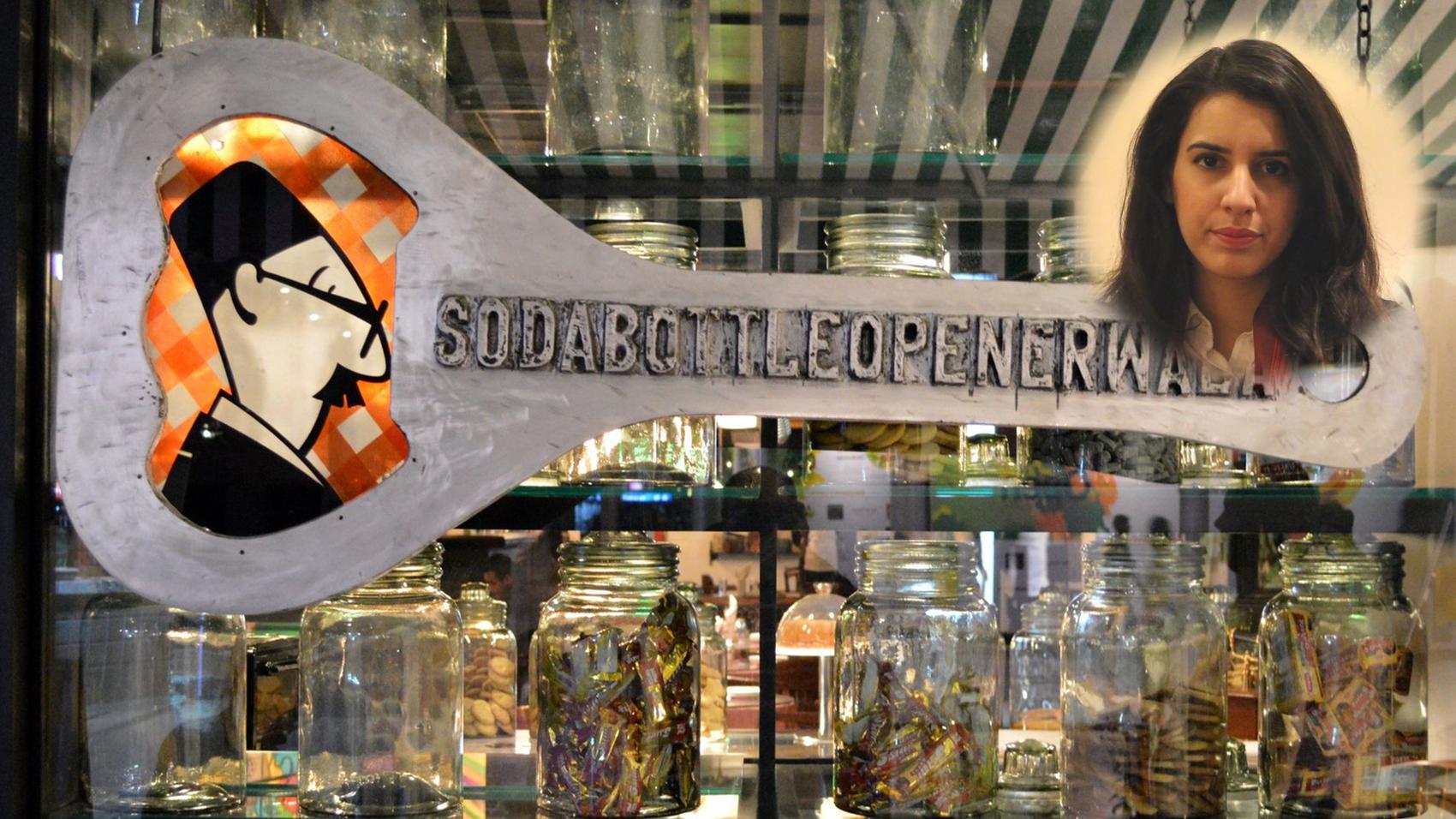
Chef Management
Anahita Dhondy
Chef Manager | Soda Bottle Openerwala
[ 5 years & 4 months Experience ]

A professional cook, typically the chief cook in a restaurant or hotel. Chef Manager manages the entire area of cooking.

"After completing my Schooling from Springdales, Delhi I did my Graduation from IHM, Aurangabad. I went on to do my Masters from Le Cordon Bleu, London. I worked at Taj Man Singh for 1 year and interned with J W Marriot. I also came on Asia's first food truck reality show called Femme Foods. Apart from that I also came on Masterchef as a Judge."


Career Counselling 2.0 Career Counselling 2.0 Career Counselling 2.0 Career Counselling 2.0 Career Counselling 2.0


Career in Professional Cooking
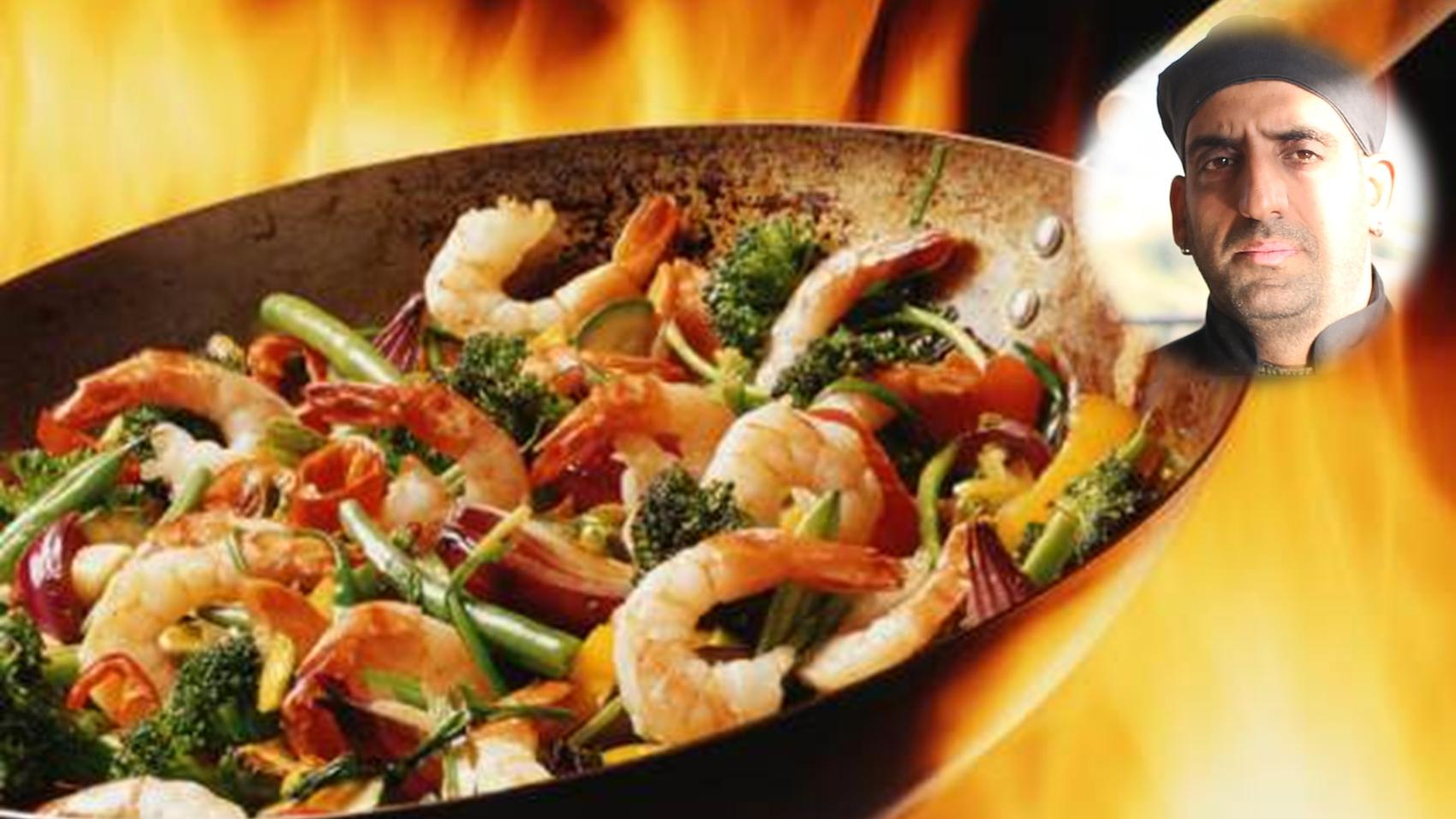
Professional Cooking
Rahul Wali
Executive Chef | Rahul's Kitchen, Dehradun
[ 19 years & 2 months Experience ]

Professional Cooking is basically cooking in a commercial kitchen and producing products which are sold to different range of clienteles. For example: Working in a 5 star hotel, flight kitchen, Cafes, Restaurants.

"After completing diploma in HM from Pune and graduate diploma in Gastronomy, Adelaide, South Australia, I started Working as a Chef. I have worked in multiple hotels in India and abroad. Presently I am running my own Cafe by the name of Rahul’s Kitchen."


Career Counselling 2.0 Career Counselling 2.0 Career Counselling 2.0 Career Counselling 2.0 Career Counselling 2.0


Career in Hotel Management
Hotel Management
Anirudh Riathwan
Director | Samaira Hospitality
[ 5 years Experience ]

Hotel Management is a course which tells one about the basic operations of the hotel industry. During the course, one learns about different departments of the hotel, its functionalities, operations and career prospects.

"I did my Hotel Management from IHM Bhubaneswar and then pursued my Executive MBA from Institute Vatel in France and Masters in Tourism Management from Perpignan University, France. And finally, I launched my own Brand in 2014 called Samaira Hospitality."


Career Counselling 2.0 Career Counselling 2.0 Career Counselling 2.0 Career Counselling 2.0 Career Counselling 2.0


Career in Front Office Operations
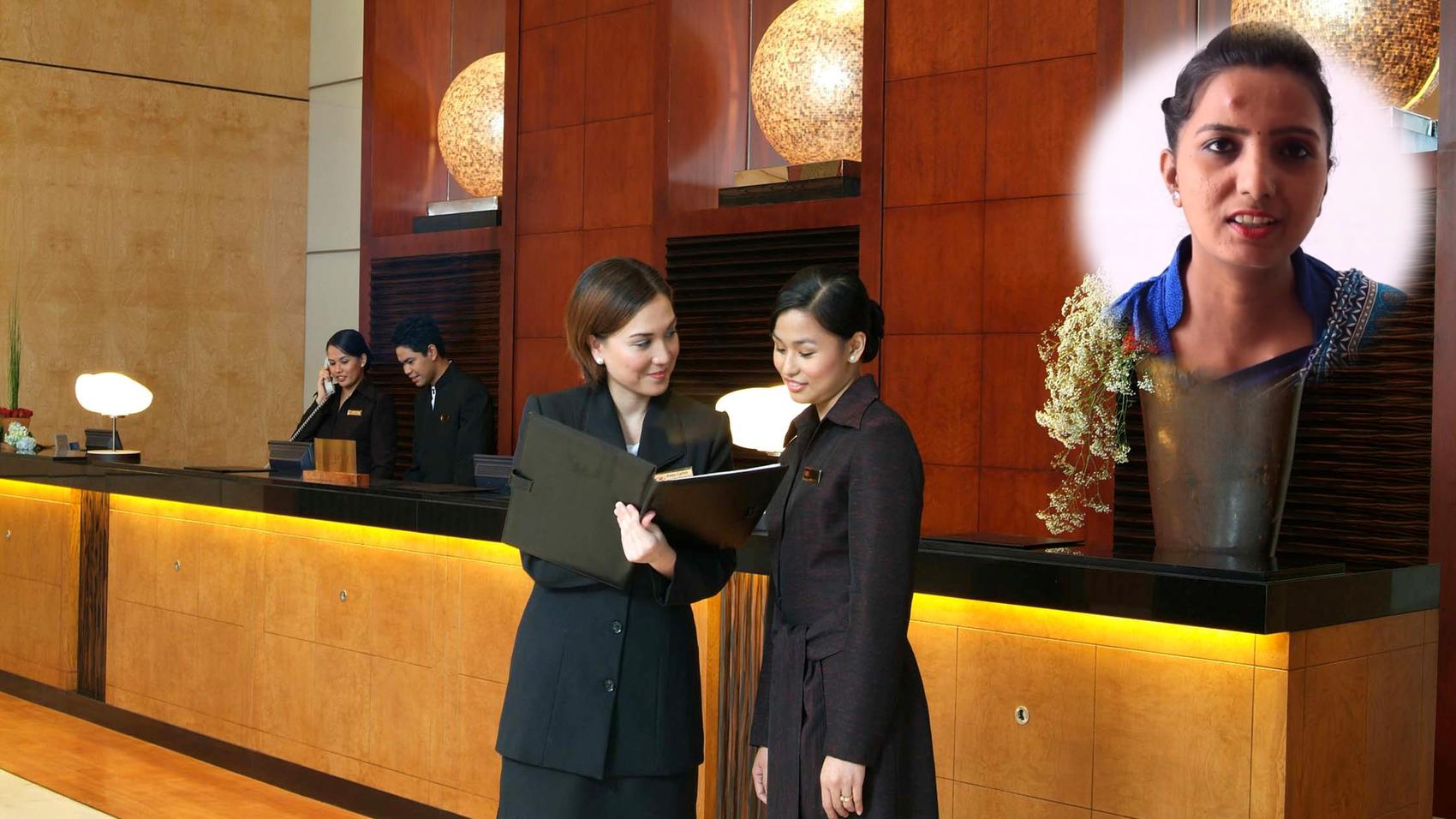
Front Office Operations
Aruna Kumari
Senior Front Office Executive | Ramada, Dehardun
[ 7 years & 7 months Experience ]

The front office or reception is an area where visitors arrive and first encounter a staff at a place of business. Front office staff will deal with whatever question the visitor has, and put them in contact with a relevant person at the company. The front office mainly includes roles that affect the revenues of the business.

"I have done Hotel Management from Nalanda Institute, Kolkata. I have worked at Uday Samudra, Turtle On The Beach, Hycinth By Sparsa, Ramada Chennai. I am working as a Senior Front Office Executive at Ramada, Dehradun."


Career Counselling 2.0 Career Counselling 2.0 Career Counselling 2.0 Career Counselling 2.0 Career Counselling 2.0


Career in Culinary Arts
Culinary Arts
Arjit Singha
Chef | The Good Times Company
[ 11 years Experience ]

Culinary arts, in which culinary means "related to cooking", is the art of the preparation, cooking and presentation of food, usually in the form of meals. People working in this field– especially in establishments such as restaurants– are commonly called "Chefs" or "Cooks", although, at its most general, the terms "Culinary Artist" and "Culinarian" are also used. Culinarians are required to have knowledge of food science, nutrition and diet and are responsible for preparing meals that are as pleasing to the eye as well as to the palate.

"After completing my education in food technology and culinary art, I started working for various hotels and organizations. Currently, I am the Chef Entrepreneur at The Good Times Company(food business, catering & events consultancy), Dehradun. I have been working since 2006."


Career Counselling 2.0 Career Counselling 2.0 Career Counselling 2.0 Career Counselling 2.0 Career Counselling 2.0


Career in Hotel Management
Hotel Management
Hemant Kochhar
Director | Madhuban Hotel
[ 24 years Experience ]

Hotel Management is a human industry. Hotel Management includes management of hotel staff, business management, upkeep and sanitary standards of hotel facilities, guest satisfaction and customer service, marketing management, sales management, revenue management, financial accounting, purchasing, and other functions.

"After completing my schooling, I went to Delhi to attain a degree in Hotel Management from IHM Pusa. I opened my first Restaurant in Dehradun at the age of only 13. After that I worked with Le Meridien, The Oberoi, Taj Hotels and Hotel Vasant Continental, New Delhi holding different offices. I then took over my family business of running the Madhuban Hotels. While doing so I also completed several specialized ecourses from Cornell University School of Hotel Administration in different areas of Hotel Management."


Career Counselling 2.0 Career Counselling 2.0 Career Counselling 2.0 Career Counselling 2.0 Career Counselling 2.0


Career in Commercial Cooking
Commercial Cooking
Nishant Lal
Chef | Beacon Cove, Melbourne
[ 8 years Experience ]

Commercial Cooking is different from Culinary Arts. It is cooking to earn money. It should not just be about earning money but also to satisfy the needs of people.

"I started my career as an apprentice chef in Melbourne Racing Club, Melbourne, along with my studies. After that I joined Beacon Cove, Melbourne as a Kitchen Hand, eventually moving up to CDP. I then came back to India and learned about Indian cuisine and ended up as a chef."


Career Counselling 2.0 Career Counselling 2.0 Career Counselling 2.0 Career Counselling 2.0 Career Counselling 2.0


Career in Bartending
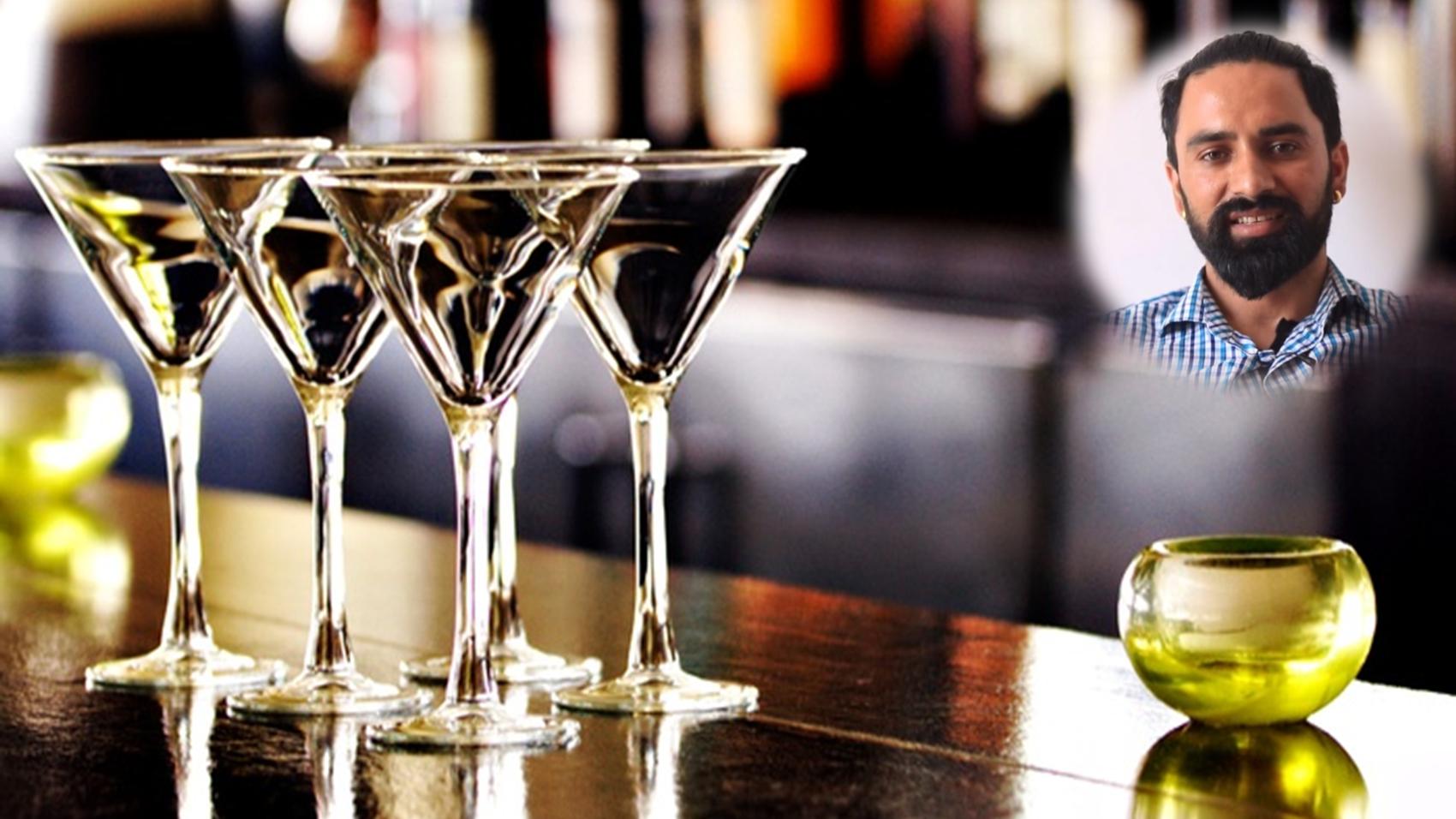
Bartending
Kuldeep Chauhan
Bar manager | Ramada, Dehradun
[ 12 years & 7 months Experience ]

A bartender is a person who formulates and serves alcoholic or soft drink beverages behind the bar, usually in a licensed establishment. Bartenders also usually maintain the supplies and inventory for the bar. A bartender can generally mix classic cocktails such as a Cosmopolitan, Manhattan, Old Fashioned, and Mojito.

"I have done PG Diploma in Hotel Management from RIMT. Post that I did a 6 month course in Bartending from Bar Academy, Dehradun. I have worked at Taj View, Chillies, Cibo, Veda. I have designed various bars in Uttarakhand. I am also running a Bartending Academy in Dehradun. I am Bar Manager at Ramada, Dehradun."


Career Counselling 2.0 Career Counselling 2.0 Career Counselling 2.0 Career Counselling 2.0 Career Counselling 2.0


Career in Food And Beverage Operations
Food And Beverage Operations
Sachin Kumar
Food And Beverage Manager | Ramada, Dehradun
[ 11 years & 7 months Experience ]

Foodservice or catering industry defines those businesses, institutions, and companies responsible for any meal prepared outside the home. This industry includes restaurants, school and hospital cafeterias, catering operations, and many other formats.

"I have done Hotel Management from IHM, Hyderabad. I have worked at hotels like Hyatt Regency, Hilton, Princess Cruises- US, Thulhagiri Island Resort- Maldives, Sugar Bay Club, Ramada Chennai. I have worked in 18 countries in total. I am a Food and Beverage Manager at Ramada, Dehradun."


Career Counselling 2.0 Career Counselling 2.0 Career Counselling 2.0 Career Counselling 2.0 Career Counselling 2.0


Career in Housekeeping Operations
Housekeeping Operations
Saurabh Sharma
Executive Housekeeper | Ramada, Dehradun
[ 10 years & 7 months Experience ]

Housekeeping refers to the management of duties and chores involved in the running of a household, such as cleaning, cooking, home maintenance, shopping, laundry and bill pay. These tasks may be performed by any of the household members, or by other persons hired to perform these tasks.

"I did my primary education from Agra, and then went on to do a course in Hotel Management from Ram Institute of Hotel Management. I have been working with Ramada as an Executive Housekeeper."


Career Counselling 2.0 Career Counselling 2.0 Career Counselling 2.0 Career Counselling 2.0 Career Counselling 2.0


Career in Front Office Operations
Front Office Operations
Atul Mamgain
Team Manager | Vana Retreat
[ 5 years & 7 months Experience ]

The front office or reception is an area where visitors arrive and first encounter a staff at a place of business. Front office staff will deal with whatever question the visitor has, and put them in contact with a relevant person at the company. The front office mainly includes roles that affect the revenues of the business.

"I did my schooling from DVPS, Dehradun. I have done my Hotel Management from IHM, Jodhpur. I have worked at Aman Resorts, Delhi and Intercontinental The Lalit, Jaipur. I worked at Vana Retreat, Dehradun from 2013-2016."


Career Counselling 2.0 Career Counselling 2.0 Career Counselling 2.0 Career Counselling 2.0 Career Counselling 2.0


Career in Commercial Cooking
Commercial Cooking
Chain Singh
Head Chef | The Great Indian Pub
[ 15 years Experience ]

Commercial Cooking applies to any operation or business that prepares food for consumption by the public.

"After completing my Schooling from Tehri, I worked with various cafes and restaurants such as Seasons Caters, Gourmet Kitchen, Fast Tuesday etc. I am the Head Chef at The Great Indian Pub, Dehradun."


Career Counselling 2.0 Career Counselling 2.0 Career Counselling 2.0 Career Counselling 2.0 Career Counselling 2.0


Career in Concierge
Concierge
Arvind Bartwal
Concierge | Taj Wellington Mews
[ 2 years & 3 months Experience ]

In hotels or resorts, a concierge assists guests by performing various tasks such as making restaurant reservations, booking hotels, arranging for spa services, recommending night life hot spots, booking transportation (limousines, airplanes, boats, etc.), coordinating porter service (luggage assistance request) etc.

"I did my schooling from Kendriya Vidyalaya, Mumbai then a course in Hotel Management from KIHM Dehradun. I did my internship from Oberoi Hotels and started my career with Vana, Dehradun. Then I joined Taj Hotels as a Concierge."


Career Counselling 2.0 Career Counselling 2.0 Career Counselling 2.0 Career Counselling 2.0 Career Counselling 2.0


Career in Hotel Operations
Hotel Operations
Gursharan Singh
Director Of Operations | Ramada, Dehradun
[ 11 years & 11 months Experience ]

Hotel Operations include front desk management, housekeeping operations, food and beverage management and human resources planning.

"I did B Com from MPG College, Mussoorie. Post that I did a professional course in Hospitality from Frankfinn Institute, Dehradun. I started my career from Club Mahindra, Mussoorie. I have worked at various Hotels like ITC Fortune, JP Group of hotels, Mango Hotels, Royal Orchid. I am working at Ramada as Director of Operations."


Career Counselling 2.0 Career Counselling 2.0 Career Counselling 2.0 Career Counselling 2.0 Career Counselling 2.0


Career in Front Office Operations
Front Office Operations
Kamlesh Deopa
Front Office Manager | Ramada, Dehardun
[ 11 years & 8 months Experience ]

The front office or reception is an area where visitors arrive and first encounter a staff at a place of business. Front office staff will deal with whatever question the visitor has, and put them in contact with a relevant person at the company. The front office mainly includes roles that affect the revenues of the business.

"I have done my graduation from HNB Garhwal University. Post that I have did a Diploma in Hospitality from Air Hostess Academy. I started my career with Club Mahindra, Mussoorie. I have also worked at Taj Hotel, Carlson, Inter-Continental & WHG. I am the Front Office Manager at Ramada, Dehradun."


Career Counselling 2.0 Career Counselling 2.0 Career Counselling 2.0 Career Counselling 2.0 Career Counselling 2.0


Career in General Management
General Management
Prakash Joshi
CEO | Ramada, Dehradun
[ 38 years & 7 months Experience ]

General management usually involves overseeing most or all of the firm's marketing and sales functions as well as the day-to-day operations of the business. A general manager is an executive who has overall responsibility for managing both the revenue and cost elements of a company's income statement.

"I have done BA from DAV PG College. I started my career in hospitality with Taj Mahal, New Delhi. I have worked at Hotel Madhuban for 14 years and at Surbhi Palace Hotel for 19 years. I am working at Ramada, Dehradun as CEO."


Career Counselling 2.0 Career Counselling 2.0 Career Counselling 2.0 Career Counselling 2.0 Career Counselling 2.0


Career in Commercial Culinary Cooking
Commercial Culinary Cooking
Radhika Arora
Owner & Chef | Spicy Herbs
[ 23 years & 4 months Experience ]

Commercial Culinary Cooking applies to any operation or business that prepares food for consumption by the public.

"After doing my Diploma in Culinary Arts I started working with Imperial and ITC Maurya. In 2016 I started my own company Spicy Herbs where I also work as a chef."


Career Counselling 2.0 Career Counselling 2.0 Career Counselling 2.0 Career Counselling 2.0 Career Counselling 2.0


Career in Bartending
Bartending
Varun Sudhakar
Head Operation Beverages | Gourmet Investments Private Limited
[ 10 years & 9 months Experience ]

A Bartender prepares alcohol or non-alcohol beverages for bar and restaurant patrons. Interact with customers, take orders and serve snacks and drinks. Assess customers' needs and preferences and make recommendations. Mix ingredients to prepare cocktails.

"After completing my graduation in Hotel Management, I started working as a Bartender and have worked with brands like Sarovar, Four Seasons & Diageo. I have represented India on International platforms as I have won the Best Indian Bartender for Diageo World class for 2013 & 2014 and I was Diageo's Brand Ambassador for 1 year ."


Career Counselling 2.0 Career Counselling 2.0 Career Counselling 2.0 Career Counselling 2.0 Career Counselling 2.0


Career in Housekeeping
Housekeeping
Seema Chaturvedi
Executive Housekeeper | ITC Maratha, Mumbai
[ 24 years Experience ]

Housekeeping deals with the general upkeep of a Hotel. Housekeeping includes taking care of the aesthetics as well as cleanliness of the entire Hotel. It also includes taking care of things such as the furniture, fittings and fixtures of the Hotel. It has many departments and offices under it. Few of such departments are laundry and horticulture. It is a very safe industry especially for women.

"I did my graduation from Isabella Thoburn College, Lucknow University and my Hotel Management from WMI. I hold the office of the Executive Housekeeper at the ITC Maratha, Mumbai."


Career Counselling 2.0 Career Counselling 2.0 Career Counselling 2.0 Career Counselling 2.0 Career Counselling 2.0


Career in Housekeeping Operations
Housekeeping Operations
Rahul Kumar Rajput
Assistant Manager | Hotel Boulevard
[ 7 years Experience ]

Housekeeping is an operational department in a hotel, which is responsible for cleanliness, maintenance, aesthetic upkeep of rooms, public area, back area and surroundings. A hotel survives on the sale of room, food, beverages and other minor services such as the laundry, health club spa and so on

"After completing my Schooling from Bijnor, I did my Graduation from FCI Institute of Hotel Management, Dehradun. I worked at Inderlok as a Trainee Supervisor. I am an Assistant Manager at Hotel Boulevard."


Career Counselling 2.0 Career Counselling 2.0 Career Counselling 2.0 Career Counselling 2.0 Career Counselling 2.0


Career in Food and Beverage Operations
Food and Beverage Operations
Rohan Singh
Assistant Manager | ITC Hotel, Hyderabad
[ 7 years & 5 months Experience ]

Food and Beverage Service operations involve a multitude of activities which engage the staff right from purchasing raw material, preparing food and beverage, keeping the inventory of material, maintaining service quality continuously, managing various catered events, and most importantly, analyzing the business

"After doing my schooling, I pursued my bachelors in Tourism Industry from ITC Hospitality Management Institute. I have worked for various Hotels like ITC Maurya, WH Sheraton, ITC Grand Bharat and ITC Kakatiya."


Career Counselling 2.0 Career Counselling 2.0 Career Counselling 2.0 Career Counselling 2.0 Career Counselling 2.0


Career in Professional Cooking
Professional Cooking
Pawan Kukreja
Executive Chef | Ramada, Dehardun
[ 12 years & 11 months Experience ]

Cooking is the art, technology and craft of preparing food for consumption with or without the use of heat. The ways or types of cooking also depend on the skill and type of training an individual cook has. Cooking is done both by people in their own dwellings and by professional cooks and chefs in restaurants and other food establishments

"I have done B Sc in Hospitality & Hotel Administration from IHMCT&AN, Chennai. I started my career as a chef with Inter-Continental-The Grand, New Delhi and then Mumbai. I have worked with hotels like Lalit Resort & Spa, One and Only Royal Mirage, The Orchid, Radisson Blue. I am working as an Executive Chef at Ramada, Dehradun."


Career Counselling 2.0 Career Counselling 2.0 Career Counselling 2.0 Career Counselling 2.0 Career Counselling 2.0


Career in Hotel Management
Hotel Management
Bharat Arora
General Manager | Holy River Hotel
[ 14 years & 1 month Experience ]

Hotel Management includes managing the operation of a hotel, motel, resort, or other lodging-related establishment. Management of a hotel operation includes management of hotel staff, business management, upkeep and sanitary standards of hotel facilities, guest satisfaction and customer service, marketing management, sales management, revenue management, financial accounting, purchasing, and other functions.

"I did a degree in Hotel Management from IHM, Gurdaspur followed by a training programme at the Oberoi Hotel Cecil in Shimla as a bartender. I then moved to the Westin Sohna Resort & Spa where I worked as a Pool Bar Attendant. Then, I moved to Maldives where I managed the operations of six restaurants. After returning to India, I worked as a Hotel Manager at the Dewa Retreat. I am currently working as a General Manager at Holy River Hotel in Rishikesh."


Career Counselling 2.0 Career Counselling 2.0 Career Counselling 2.0 Career Counselling 2.0 Career Counselling 2.0


Career in Bartending
Bartending
Seri Zawa
Bar Manager | Drifters, Manali
[ 2 years & 6 months Experience ]

A bartender is a person who formulates and serves alcoholic or soft drink beverages behind the bar, usually in a licensed establishment.

"I did my Schooling from Sikkim. I then shifted to Kerala and completed my schooling. After my schooling I started working in various restaurants like in a bar in Palolim Beach, Goa and Palmtree in Varkala,Kerala. Now I am a Bar Manager at Drifters, Manali."


Career Counselling 2.0 Career Counselling 2.0 Career Counselling 2.0 Career Counselling 2.0 Career Counselling 2.0


Career in Fruit & Vegetable Carving
Fruit & Vegetable Carving
Dhiraj Mehta
HOD Food Production | Shri Ram Institute of Hotel Management
[ 19 years & 1 month Experience ]

Fruit or Vegetable carving is the art of carving fruits and vegetables to form beautiful objects, such as flowers or birds. The purpose of fruit and vegetable carving is to make food more attractive, more appetizing, and also easier to eat.

"I have done Diploma in Hotel Management from GIHM, Dehradun and Masters in Hotel Management from Uttarakhand Open University. Post that, I did Industrial & Vocational Training from Centaur Hotel & ITDC Ashok. I worked at Hotels like The Maya in Jalandhar and Jaypee Palace Hotel. I then did an Advanced Diploma in European Cuisine from Indus Institute of Hospitality, Chennai. Post that, I worked for Carnival Cruise Line on Live counters. I taught at Kukreja Institute of Hotel Management as Professor. I am HOD Food Production at Shri Ram Institute of Hotel Management."


Career Counselling 2.0 Career Counselling 2.0 Career Counselling 2.0 Career Counselling 2.0 Career Counselling 2.0


Career in Food Court Management
Food Court Management
Rajeev Chaurasia
Operations Manager | Pacific Mall
[ 18 years & 5 months Experience ]

Food court management includes all the services and the maintenance of the quality of the food which is provided to the customers. Food court management also includes the management of the hygiene and sanitation of the kitchen area as well as the food court.

"After completing my Diploma course in Hotel Management, I worked with various Restaurants and Five Star Hotels. I am managing Pacific Mall Food Court, Dehradun since 2013."


Career Counselling 2.0 Career Counselling 2.0 Career Counselling 2.0 Career Counselling 2.0 Career Counselling 2.0


Career in Food Styling
Food Styling
Indranie Dasgupta
Food Stylist | Self Employed
[ 26 years & 9 months Experience ]

Food styling is the art of arranging food so that it looks tasty and fresh. This is important in a number of situations, particularly when the food is being photographed. For instance, the pictures of food that you see in cook books, magazines, advertisements, and menus have been styled.

"I was always interested in Food and Home Science, therefore took this profession full time and quit my teaching and started as a Food Stylist and have been working for almost 27 years in this field."


Career Counselling 2.0 Career Counselling 2.0 Career Counselling 2.0 Career Counselling 2.0 Career Counselling 2.0


Career in Food Quality Control
Food Quality Control
Mohit Jayant
Head | Pizza Hut & Domino's
[ 14 years & 1 month Experience ]

A Restaurant Operations Evaluator is involved with the food quality control in a restaurant or cafe. It starts with receiving ingredients, involves checking the quality of raw materials and finally ensuring the delivery of a quality product.

"I did my Schooling from St Josheph's Academy, Dehradun. I then did Hotel Management for Graduation from IHM, Lucknow. I helped open Domino's in 2000 and Pizza Hut in 2004 in Dehradun and was the Operations Head there. After which I worked in Nirula's in Delhi for one year and then Future Value retail from 2011-2014. Following which I was at Sabbarro Pizzas from 2014-2016."


Career Counselling 2.0 Career Counselling 2.0 Career Counselling 2.0 Career Counselling 2.0 Career Counselling 2.0


Career in Food Quality Control
Food Quality Control
Adarsha Kumar P K
Quality Engineer | The Akshaya Patra Foundation
[ 5 years & 4 months Experience ]

Food Quality Control is the control of quality characteristics of food that is acceptable to consumers. This includes external factors as appearance (size, shape, colour, gloss, and consistency), texture, and flavour; factors such as federal grade standards (e.g. of eggs) and internal (chemical, physical, microbial).

"After completing my B Tech in Food Science & Technology from University of Agricultural Sciences, Hassan in 2013, I joined Garden City Beverages in Bangalore as Quality Control Engineer. After two years I moved to Akshay Patra Foundation where I continue to work as a Quality Engineer."


Career Counselling 2.0 Career Counselling 2.0 Career Counselling 2.0 Career Counselling 2.0 Career Counselling 2.0


Career in Flair Bartending
Flair Bartending
Piyush Bora
Flair Bartender | Bar Academy of Doon
[ 3 years & 1 month Experience ]

Flair bartending is the practice of bartenders entertaining guests, clientele or audiences with the manipulation of bar tools (e.g. cocktail shakers) and liquor bottles in tricky, dazzling ways.

"I was born and brought up in khatima and did my schooling from the same place. In 2016, I came to Dehradun and joined Bar Academy of Doon and since then I am working as a flair bartender."


Career Counselling 2.0 Career Counselling 2.0 Career Counselling 2.0 Career Counselling 2.0 Career Counselling 2.0


Career in Chef Management
Chef Management
Anubhav Gurung
Owner | Fat Plate Cafe, Manali
[ 7 years & 6 months Experience ]

A professional cook, typically the chief cook in a restaurant or hotel.

"I did my BA (H) in Culinary Art from Institutue of Hotel Management, Aurangabad. In 2011, I started my Catering Company in Chandigarh and thereafter in 2013 I started my own Restaurant by the name of Fat Plate Cafe in Manali."


Career Counselling 2.0 Career Counselling 2.0 Career Counselling 2.0 Career Counselling 2.0 Career Counselling 2.0


Career in Kitchen Management
Kitchen Management
Kaushiki
Chef | Oberoi Hotels
[ 4 years & 3 months Experience ]

A kitchen manager is responsible for the overall operations for the back of house and kitchen area of a restaurant. Kitchen managers hire staff, purchase food and stock, and make sure everyone is trained on proper food preparation and kitchen safety techniques.

"After my tourism studies from IGNOU and Diploma in Kitchen Management from OCLD (Oberoi Centre of Learning & Development). I started my career with Oberoi Raj Villas in Jaipur. Later through Oberoi I got shifted to OCLD in Delhi for Management Training Programme."


Career Counselling 2.0 Career Counselling 2.0 Career Counselling 2.0 Career Counselling 2.0 Career Counselling 2.0


[Install the LifePage App to access all Talks]


<?php echo $altimage; ?>


<?php echo $altimage; ?>


&mbsp;


Career Counselling 2.0 | Home   Home  
Career Counselling 2.0 | Abroad   Abroad  
Career Counselling 2.0 | Plan   Plan  
Career Counselling 2.0 | Talks   Talks  
Career Counselling 2.0 | Philosophy   Philosophy  
Career Counselling 2.0 | Seminar   Seminar  
Career Counselling 2.0 | Workshop   Workshop  
Career Counselling 2.0 | Pages   Pages  
Career Counselling 2.0 | Advisors   Advisors  
Career Counselling 2.0 | Discuss   Discuss  
Career Counselling 2.0 | Meet   Meet  
Career Counselling 2.0 | Advisor   Advisor  
Career Counselling 2.0 | Story   Story  
Career Counselling 2.0 | Fine Print   Fine Print  
Career Counselling 2.0 | Links   Links  
Career Counselling 2.0 | Blog   Blog  
Career Counselling 2.0 | Testimonials   Testimonials  
Career Counselling 2.0 | Follow   Follow  
 
[ Site Visits ]


Career Counselling 2.0